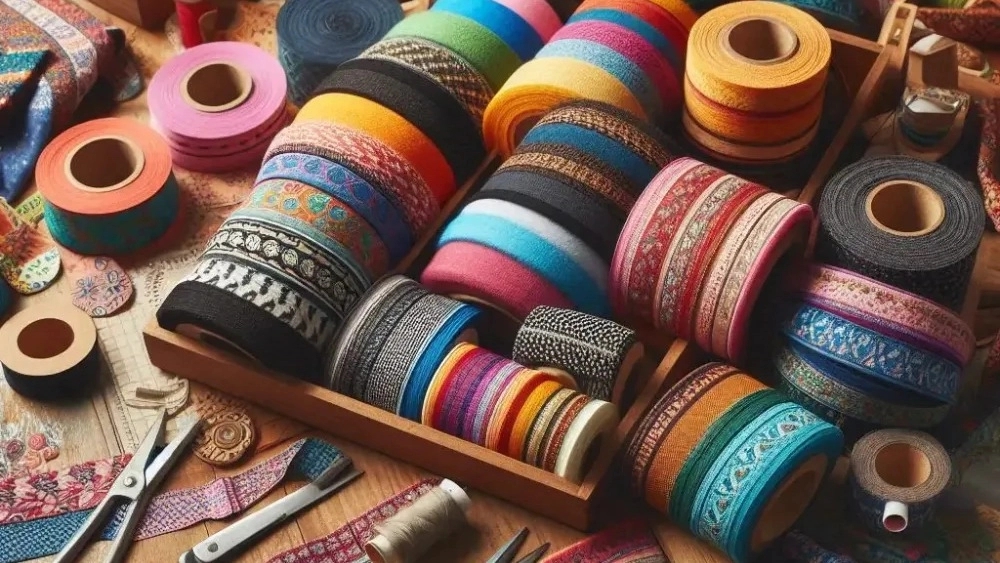


Why is the choice of textile belt a vital decision?
In today's complex and dynamic industry, small details can make big differences in quality, safety and productivity. The textile belt is one of these vital details. This product, which may seem simple at first glance, is in fact the spine of many industrial processes, from the transportation of heavy loads to the production of consumer products such as furniture and safety equipment. The incorrect selection of an industrial belt can not only lead to huge financial losses, but also seriously endanger labor safety.
A low -quality or inappropriate textile strap may be torn under load pressure, not resistant to environmental conditions, or over time, stretching and exhaustion. These problems directly have a negative impact on your production line. For this reason, fully understanding the types of textile belts and its selection criteria is an essential knowledge for any manufacturer, engineer or industrial entrepreneur.
We have decided to prepare this comprehensive guide for you, as one of the leading manufacturers of textile and textile belts in Sanandaj and west of the country. Our goal is to help you choose the best industrial belt to suit your specific use and enjoy the benefits of a smart purchase.
Step One: Understanding the types of textile belts
The first and most important step in choosing a textile belt is to identify the raw materials used in its production. Each material has unique features in terms of resistance, flexibility, and durability in different environmental conditions. In the following, we will examine the most common raw materials.
1. Polyester strap
Polyester Textile Belt is the most popular and widely used type of belt in various industries.
Key Features:
1. Polypropylene strap
Polypropylene textile belts are an economic and lightweight option.
Key Features:
1. Nylon strap
Nylon is a unique industrial belt because of its combination of strength and elasticity.
Key Features:
1. Flax and Cotton Belt
This type of textile belt is made of natural fibers and has a sense of softness and softness.
Key Features:
Step Three: What is your use? Belt matching with requirement
Now that you are familiar with the types and specifications of textile belts, let's see which option is best for each industrial application.
1. Lifting & Lashing (Lashing)
The safety of the first word to lift or close heavy loads.
1. Furniture Industries and Mattresses
In this industry, both strength and appearance are important.
1. Production of bags, shoes and backpacks
In this area, a combination of durability, lightness and reasonable price is required.
1. Safety and Military Equipment
In these applications, there is no place for error.
Why is the direct purchase of the manufacturer (such as the mercury tissue tape) smart?
After determining the required textile belt, the next step is the purchase. Buying from intermediaries may seem simple, but direct purchasing from a reputable manufacturer such as Rahmani Textile Textile Company has significant advantages:
Conclusion: A conscious choice for a safe and efficient future
choosing the best textile belt is beyond a simple purchase; This is an investment in your business safety, quality and productivity. Understanding the key differences between raw materials such as polyester, polypropylene and nylon, and considering the technical specifications needed for your industrial application, you can make an informed decision to prevent extra accidents and costs. Remember that a high -quality industrial belt is a product that is carefully produced from high quality raw materials. Always look for buying from reputable manufacturers who prioritize quality. Rahmani Textile Textile Company is ready to accompany you along this route with a commitment to quality and customer satisfaction. Whether you are looking for a cargo belt for construction projects, or you need a bar for your production line, our team in Sanandaj is ready to provide free advice and provide the best textile belt for you. Contact us and experience the quality difference.