

Introduction to the precision tools in modern construction
In the complex and precise world of civil engineering and construction industry, tools play a role beyond a simple device; They are the executive arms of engineers and contractors to accurately implement the maps. Among these tools, the 63mm drill has a special place as one of the most used and strategic dimensions. This tool is used not only to create a hole, but also to create a precise path, a standard entrance and an engineered cavity in the toughest building materials such as reinforced concrete, stone and asphalt. In this comprehensive article, we examine the deep and practical examination of the Size Development 63, outline the reasons for the importance of this particular size, and we consider key applications in various construction projects, from facilities to sampling. If you are looking to fully understand the capabilities of this tool and provide the most quality examples, this guide will be your reference.
What is a 63mm drill and why is this size matter?
Core Drilling is a process in which a cylindrical cavity is created with smooth and precise walls in a hard material. Unlike destructive drills, drill does not crush the material, but cuts them into a cylindrical core.
Technical Specifications and Structure of Drilling 63
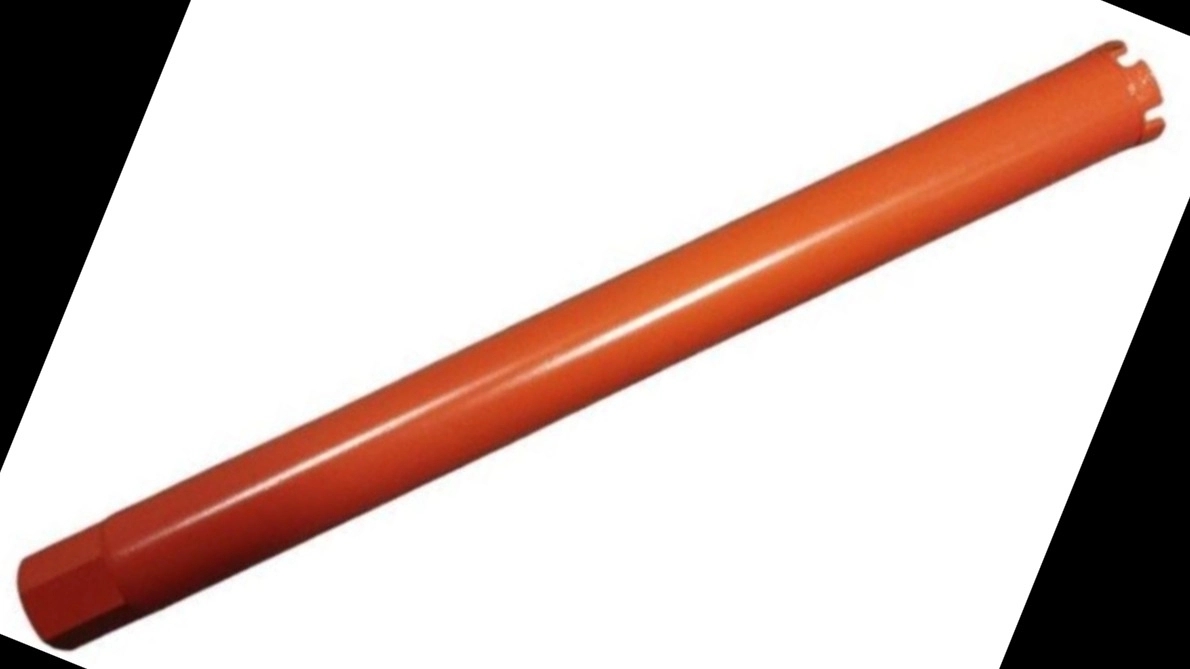
A 63 -sized drill consists of a few main parts:
body (barrel): A hollow steel pipe with an external diameter exactly $ 63 \ text {millimeter} $.
Diamond Segments: These segments are made of a combination of metal powder and industrial diamond crumbs and are responsible for cutting hard materials. The quality of these segments directly affects the speed, accuracy and longevity of the drill.
Importance of 63 mm diameter: bridge between different needs
Why is $ 63 \ text {millimeter} $ (which is approximately 2.5 inches 2.5 inches) so popular? The response lies in the standards of the installation industry. This diameter is an ideal size for the passage of many standard pipes and cables:
2 -inch PVC pipes: These exterior diameters are slightly less than `63 mm 63 mm, easily pass through the cavity and have enough space for insulation or insulation. Or the medium, the 63 mm cavity 63 mm provides a safe and standard path.
adaptability: This size is neither large enough to endanger the integrity of the structure nor small enough to limit its application. For this reason, the Size Car Removal 63 is a all -encompassing tool in each team's toolbox.
Key Applications of 63mm Drill in Construction Projects
The ability to create a clean and precise hole has opened new doors of the building industry. Below we will discuss the most important use of this drill.
1. Passage of installation pipes (water, sewage and gas)
This is the most important and most common use of drilling in size 63. In any building, there is a complex network of pipes for drinking water transfer, sewage collection and sometimes gas supply.
cold and hot water piping:
2 -inch 2 -inch 2 -inch polymer or metal pipes from walls, ceilings and foundations, using this drill is the best option. The precise cavity of the created guarantees the full sealing of the joints in the crossing of the wall.
sewage discharge pipes:
For washing machine discharge pipes, dishwasher or sewage ventilation (Vent), 63mm 63mm cavity is a standard and efficient size.
Crossing Armed Concrete:
In concrete skeleton buildings, crossing installations through beams and shear walls is a major challenge. The Size Drill 63 with its powerful diamond segments is capable of cutting concrete and even the bars inside the structure without impact or destructive cracking into the structure.
2. Installation and passage of power cables and cable trays
Modern electrical installations require certain and safe routes for cabling.
Main cables: To pass the main feed cables of units or electrical panels through the floors, a 63mm 63mm cavity provides adequate and standard space. Through a thick concrete wall, this drill is used to create a primary path.
3. Air Conditioning Systems (HVAC) and Duct Split
It is necessary to install air conditioning systems, especially dock splits, to create a hole for the passage of refrigerant pipes as well as the drainage pipe (drain). Size drill 63 is a great choice for this purpose, because it can cross the wall by creating all three pipes together with only one clean cavity.
4. Sampling and Testing Concrete Resistance (Coraity)
This is one of the technical and engineering applications of Size 63. Supervisor engineers and concrete laboratories need a cylindrical sample to investigate the quality and compressive strength of the concrete implemented in a structure (eg column or foundation).
Cornection Process:
Using the derision and this drill, a cylindrical sample (core) is extracted from the concrete heart in a specified length.
Importance of accuracy:
accurate diameter `63 mm 63 mm and the sample flat walls are critical to perform compressive resistance tests properly in the laboratory. This process allows engineers to ensure the actual resistance of the concrete with the values designed in the map.
5. Installation of Heavy Bolts and Rolls
chemical or mechanical incubations are used to install heavy machinery, steel structures or guardrails on concrete foundations. Creating a precise cavity with a sizes of size 63 for the installation of large bolts guarantees the strength and stability of the connection.
6. Create openings for drainage and water discharge
In retaining walls, parking lots, roofs, and any location where water is likely to accumulate, there must be routes to evacuate it. The use of a 63mm der - drill to create mild sloping drainage cavities is a fast, clean and effective solution.
Choose the Best Drill 63 and the Suitable Device: The Eternal Shopping Guide
The quality of your work depends directly on the quality of your tool. Choosing a 63 -incident drill can lead to slow work speeds, increased costs (due to rapid depreciation) and even damage to the currency device.
Important Tips on Choosing Drill
Safety Tips and Implementation Techniques for working with a 63 mm drill
Personal Protection Equipment (PPE): Always use safety glasses, gloves, work shoes and if needed.
water use: Water not only cools segments, but also prevents dangerous silica dust from spreading in the air. Avoid the device. Allow the weight of the device to do 63 cutting tasks.
Summary: Size Drill 63, Essential and All -Wise Tool
As we have seen, the 63mm -size drill is not a simple tool, but a key element for precise, fast and safe implementation of many vital steps in a construction project. From passing a simple water pipe in the kitchen to an engineering sampling from a concrete column, this size ranging from drill is always as a standard and reliable solution.
investing in a high -quality drill from a reputable supplier such as immortalization, and reducing your time. With the right choice, any hole you create will be a testament to your accuracy and professionalism.