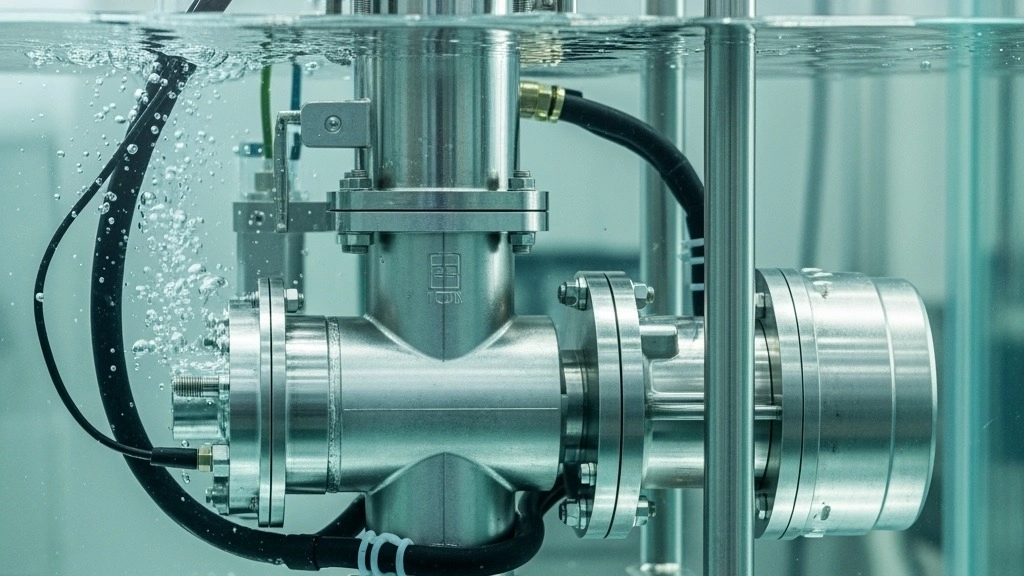

What is the Immersion Pump and why is it a good choice for cooling industrial systems?
Features of immersion pumps:
Applications of immersion pumps:
1. Cooling machine tools
Applications:
CNC machining: immersion pumps are used in metal cutting applications to deliver cooling to high -speed cutting tools that help reduce heat and friction and extend the life of the tool.
Stone Machines: They are also used in stone -making machines to provide continuous cooling flow, improve surface payments and prevent heat damage to the workpiece.
2. Pumping Industrial Wells
Function: In industrial environments, immersion pumps are used to pump liquids, wells, or tanks, which often transport sewage, cooling liquids or process liquids. The design of the pump allows it to function effectively even if it is partially immersed.
Applications:
Wastewater Treatment: Drawn pumps can be used in sewage treatment plants to pump water or sludge from wells and tanks and guarantee continuous performance and prevent overflow.
Industrial drainage: These pumps are often used in industrial environments to manage surface water, contaminated water or process liquids by pumping liquids from tanks or preservatives to purifying facilities.
3. Chemical processing
Function: In the chemical industry, immersion pumps are used to relocate corrosive chemicals, acids or other dangerous liquids. High quality pump parts are designed to resist chemical corrosion, while the engine remains outside the chemical environment for safety and longer life.
Applications:
Transfer of chemicals: Drawn pumps in chemical processing plants are used to transport corrosive or dangerous chemicals from one tank to another or for loading/discharge purposes. Acid and alkaline displacement: Pumps are immersed in chemical tanks to circulate or transmit strong acids or alkali in processes such as metal payment, surface operations or engraving.
4. Plating and electrical plating
Function: Drawn pumps are often used in electrical plating processes and surface operations for circulating plating solutions. The pump is placed in the plating tanks to ensure that the liquid (which often contains chemicals) is constantly moving, preventing the stenosis and ensuring uniform coating on the metal surfaces.
Applications:
Electrical plating mills: In electrical plating, immersion pumps are used to pump the plating solution on the work parts to ensure the uniform precipitate of the metal layer. Anodizing and Surface Operations: In surface operations processes such as anodizing, immersion pumps circulate chemicals to achieve favorable payment or coating.
5. Filtering systems
Function: Drawn pumps are commonly used in filtration systems for water circulation or other liquids through filters in tanks or pools. This pump helps to make the effective water movement to ensure pollutants and clean water returns to the system.
Applications:
Aquaculture and Fish Breeding: In aquaculture systems, immersion pumps circulate water through filters to maintain water quality and keep tanks or ponds clean and oxygenated. Industrial water filtration: immersion pumps are used in industrial treatment systems where water or chemicals require filtering and recycling,
6. Cooling fluid circulation in chillers
Function: immersed pumps are used in refrigeration and air conditioning systems for cooling liquid circulation such as water or glycol in the chillers. This pump helps maintain the proper flow of cooling liquid through heat exchangers and ensures efficient cooling.
Applications:
Chiller Systems: In large cooling systems, the immersive pumps circulate the cooling fluid through evaporators and condensans to manage heat transfer and maintain system efficiency.
Air Conditioning Systems: In commercial and industrial air conditioning systems, immersion pumps are used to move cooling liquids to and heat exchangers, temperature adjustment, and ensure proper system performance.
7. Food and beverage processing
Function: In the food and beverage industry, immersion pumps are used to transmit liquids such as juice, syrups and cleaning solutions in processing plants. These pumps are usually made of first -class food to prevent contamination and ensure hygiene.
Applications:
Drinking: Dumb pumps are used in beverage production lines for circulating and transmitting liquids during mixing, fermentation or bottled processes. Cleaning Systems: In CIP cleaning systems, immersed pumps are used to circulate cleaning liquids through tanks, pipes and equipment to ensure complete health without separation of the system.
8. Manage wastewater and waste
Function: immersion pumps are used to manage industrial wastewater, contaminated water or slurry and provide reliable pumping from wells or tanks that are partially or completely immersed in water.
Applications:
wastewater treatment: immersion pumps are used in industries such as textiles, paper and chemicals for pumping.
The advantages of immersion pumps:
Durability
immersed pumps are made to withstand hard environments, including exposure to corrosive liquids or abrasive particles. They are often made of corrosion -resistant materials such as stainless steel or specialized coatings that ensure durability and longevity.
Effective cooling
immersion design allows the pump to naturally cool by the fluid it works, preventing overheating and reducing the need for external cooling systems. This cooling mechanism improves pump efficiency and reduces engine wear.
Multipurpose
immersed pumps are suitable for a wide range of applications, including chemical processing, cooling liquid circulation, sewage management and more. Their ability to move different types of liquids - from clean water to corrosive chemicals - makes them very diverse in industrial environments.
Easy maintenance
Since only the impeller and the lower part of the pump are immersed in water, the engine and other important components are available for maintenance and repairs. This makes the pump service easier than completely immersed designs.
Corrosion resistance and abrasion
immersed pumps are designed with corrosion -resistant materials that make them ideal for moving rough chemicals, abrasive slurry or effluent without a drop in pump performance.
Energy Productivity
immersed pumps, especially in continuous performance, are efficient in terms of energy because they use liquid cooling, which reduces energy consumption compared to air cooling options.