

Definition of casting alloys and importance of thermal process
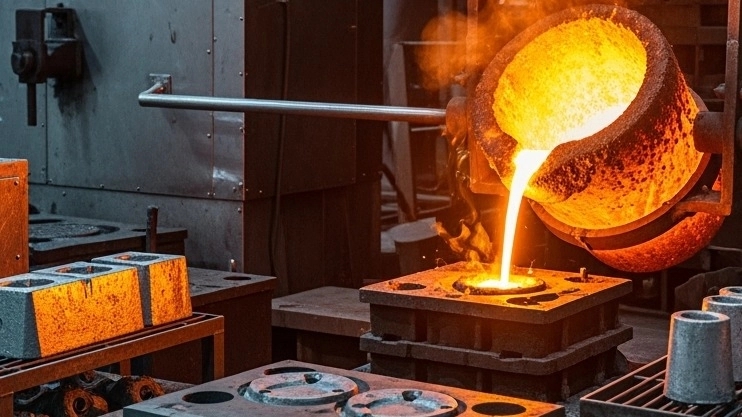
Alloy is a combination of two or more metals (or sometimes metal and naphles) that have better properties than pure metal; Including strength, abrasion resistance, corrosion resistance and formation. Alloy casting is a process in which alloy melt material is poured into special molds and, after cooling, the components or products are obtained.
important steps in the thermal process of alloys
1. Melt melting and molten preparation
The first step in the thermal processing process of alloys is the complete melting of the alloy in special furnaces. Choosing the right melting temperature for each alloy is the key factor for the quality and homogeneity of the melt. Arya Dena Party Company guarantees safety and temperature for melting furnaces by providing refractory brick and refractory mortar resistant to thermal shock.
1. Pre -templates
Molding in the casting of alloys without pre -treatment, especially in metal molds, can cause heat shock, sudden freezing, or cracking. In the thermal process of casting alloys, mold prefabrication is performed with a burner or element up to the standard temperature and the uniformity of heat transfer between the molten and mold is guaranteed.
1. Controlled cooling and cooling
The alloy melt is poured into the mold and must be cooled according to controlled planning to prevent the formation of heterogeneous crystals or porosity in the structure of the piece. Some alloying pieces require slow cooling and some require quench (rapid cooling); The choice of method depends on the type of alloy.
1. Post -Casting heat treatment
The second key step in the thermal processing process of alloys is heat treatment, including annealing, normation, tamper or hardness. These operations can be carried out with the help of thermal furnaces with high -quality refractory products (Arya Dena Derkeys). The purpose of this stage is to eliminate internal stresses and improve the final properties of the piece.
Types of Operations in the Dreaming Process of Alloys
annealing
annealing, slow thermal process, and creating high temperatures for a specified period of time with the purpose of softening and improving the flexibility of the piece. The thermal process of casting alloys by annealing can increase the tuff and the final toughness of the piece.
tampering, hardening
In alloys such as steel, hard work with Quench, and then tempting to balance the hardness and toughness. Tempting furnaces with Dena's special refractories are the best choice.
normalizing
Nermalization is performed to uniformly the crystalline structure of the alloy and gives it a homogeneous structure. This method is in the production of structural elements or used tools.
The impact of the thermal processing process of alloys on final product quality
Each step in the thermal process of casting alloys directly affects the chemical, mechanical and metallurgical properties of the product:
challenges and strategies in the thermal processing process of alloys
The thermal process of casting alloys, like any other industrial process, has problems and risks:
The role of refractory materials in the thermal process of casting alloys
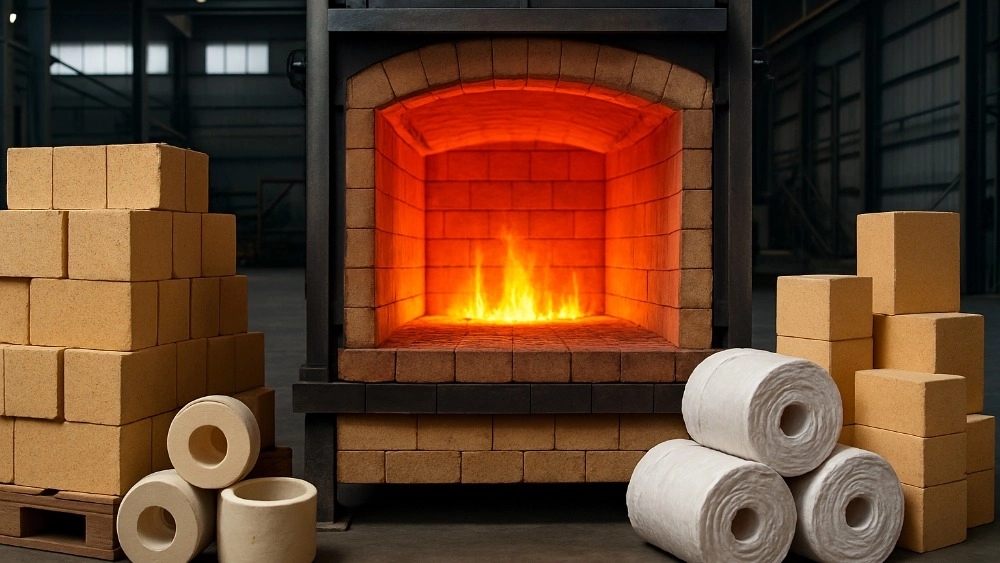
refractory materials such as refractory brick, refractory fibers, refractory mortar and refractory concrete play a vital role in the safety, life and stability of casting furnaces. Dena Dargadaz Aria Company, with a range of these products and presenting comprehensive insulation strategies, supports most of Iran's metal and casting industries:
Dena Dargadaz Aria; The first selection of furnacers and castings
Dena Aria Predictable in the production and supply of high -quality refractory materials including refractory brick, refractory mortar, refractory fibers and refractory concrete for alloys casting lines. Using the latest technologies, the company manufactures its products in accordance with world standards and offers full support from design to setting up, service and heat treatment consulting.
Summary; The thermal process of casting alloys and the key role of refractory material
In the metal industry of Iran, the success of each casting unit depends on the complete control of the thermal processing process of alloys. Each step from melting to cooling and final heat treatment must be done with standard equipment and with experienced operators to keep the final product at high level in terms of strength, durability and precision.

Nazanin Zahra Ghanimati
Post Author
6506
common:article
Web content production and SEO specialist active in the field of specialized web content production, the main focus is on producing targeted and optimized content for search engines (SEO) so that websites can get a better position in Google results.