

Introduction
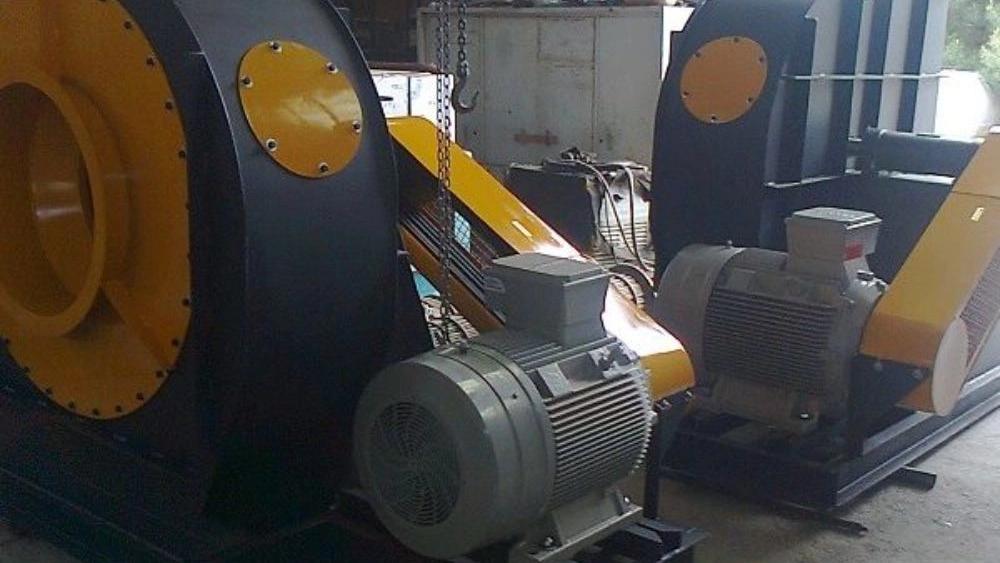
Butterfly balance refers to the process of adjusting and balanced rotating butterflies in machinery and mechanical systems. These butterflies are commonly used in internal combustion engines, turbines, and other rotating machines. Proper balance of butterflies helps reduce vibration, increased efficiency and life expectancy.
The Importance of Butterfly Balance
1. Shake Reduction: Unbalanced butterflies can cause severe vibrations that damage the other components of the device. Butterfly balance reduces these vibrations.
2. Increased Performance: Balanced butterflies work more effectively and waste less energy. This helps improve the overall efficiency of the system.
3. Longer Life: By reducing vibration and pressure on other components, butterfly balance can help extend the useful life of the device.
Butterfly Balance Process
1. Diagnosis of imbalances: The first step in the balance of the license is to identify the imbalance points. This is usually done using vibration measuring devices.
2. Weight adjustment: After identifying the imbalance points, additional weights or deficiencies are adjusted in the impeller. This can be done by adding or removing weight at specified points.
3. Re -test: After the settings, the impeller is re -tested to ensure that the balance is done correctly. This step may be repeated several times to achieve the desired balance.
Types of Butterfly Balance
1. Static Balance: In this type of balance, the butterfly is in a state of stagnation and the weights are regulated so that the center of gravity of the butterfly is in the center of the period.
2. Dynamic Balance: In this type of balance, the butterfly is rotating and centrifugal forces and torque are considered. This type of balance is usually more complex and requires special equipment.
Conclusion
Butterfly balance is a vital process in designing and maintaining rotary machinery. By doing proper balance, unnecessary vibrations can be prevented, enhances the efficiency of the system and improves the useful life of the device.