
move the rescue to the new generation of services
In recent years, automatic relief services have become an advanced, multi -dimensional system based on technology, data and user experience from a traditional phone -based activity. Kashan is also ready to exploit these developments with its geographical location and its high -income intercity paths.
The role of mobile apps in changing driver experience
Artificial Intelligence and Frequency Frequency before occurring
By collecting traffic data, driving style and repair history, artificial intelligence systems can predict the possible time of a piece of failure and provide solutions before the problem occurs. For Kashani drivers, these predictions can be vital especially on long trips to Finn, Aran and Bidgol or Isfahan.
electric and environmentally friendly relief fleet
In the near future, the use of towers and electric relief vehicles will help reduce air pollution and fuel costs. This change is a competitive advantage for a city like Kashan, which has both a tourism industry and a need to maintain air quality.
Online Training and Simulation for Drivers
Imagine Kashani drivers before traveling through the web or app to experience and learn how to act in real conditions through the web or app. These training can raise the level of general preparation and reduce the need for emergency interventions.
Intercity Integration
A unified self -relief system between Kashan and the surrounding cities assures drivers that even if they have problems outside the urban area, they will continue to be rapid and coordinated.
The future of automation in Kashan is a smart, fast and user -centered future. Combining new technologies, continuous training and up -to -date fleet can make these services a reliable and relaxed experience for drivers.
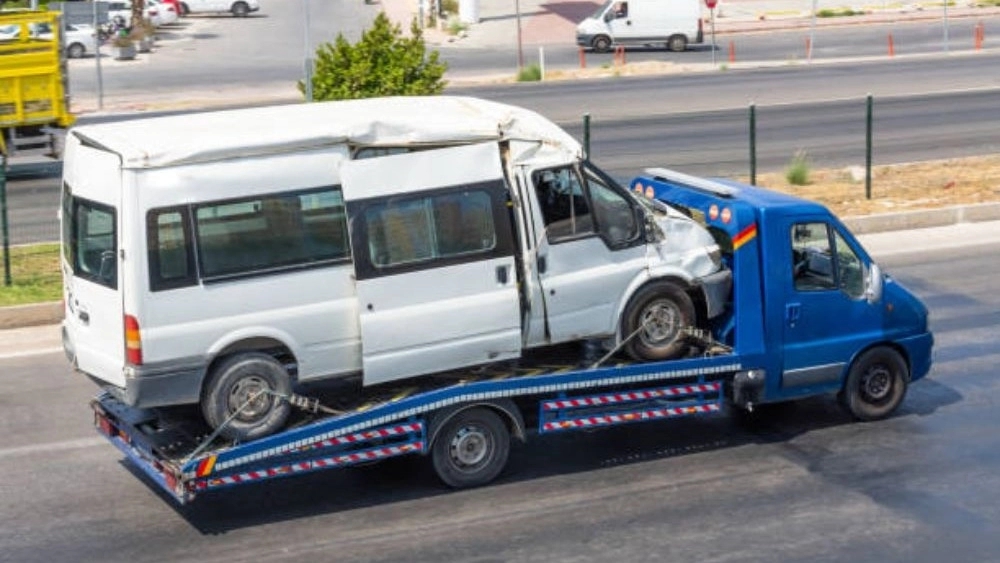
Augmented Reality (AR) in Automotive Relief
One of the fascinating technologies that can soon be in the field of Kashan's rescue is Augmented Reality . Imagine the driver, after taking a mechanical problem, only get the troubleshooting of the troubleshooting guide by taking a mobile or smart glasses to the motor or damaged part. By connecting to the database of parts and technical notebooks, the technology is capable of analyzing the ECU identified errors and providing a model compatible with the model and year of car manufacturing. Using AR, even inexperienced drivers can perform minor repairs such as fuse replacement or battery connection without a rescuer presence. This process, in addition to reducing the need for a car, also increases the productivity of the entire relief system. In Kashan, which has long and sometimes high -rise road routes, such technology can make the crisis accountable in the same crash.
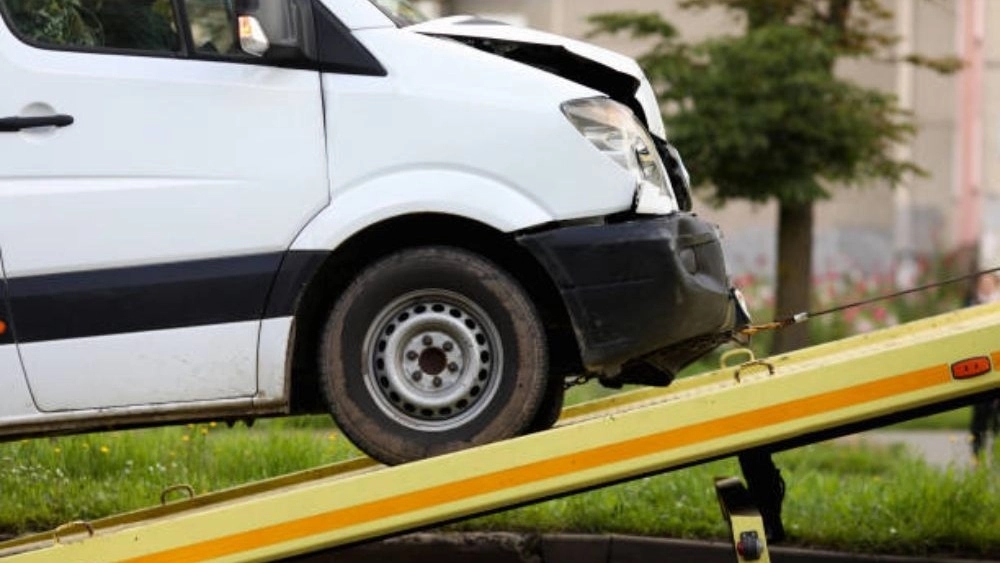
IoT (IoT) and cars connecting to the Relief Center
Entry Internet of Things Car to monitor instant and precise technical status for automation centers. In this model, sensors connected to parts such as motor, brakes, cooling systems and tires continuously send data to the central server. Automotive relief centers in Kashan can send immediate warnings to drivers by analyzing this data and send the support team before complete failure if you see a dangerous trend (such as oil pressure drop or motor temperature rise). The system not only increases the reaction speed but also reduces costs and dramatically enhances safety. The use of IoT on the high -end roads of Kashan -Qom or Kashan -Natanz can assure drivers that even before the car is completely stopped, the relief group is aware of the problem and is on the way.