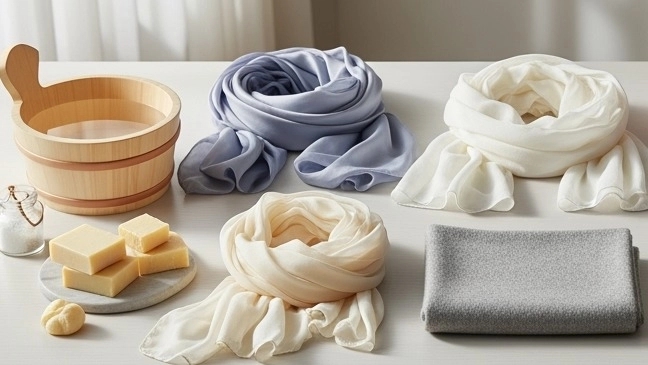
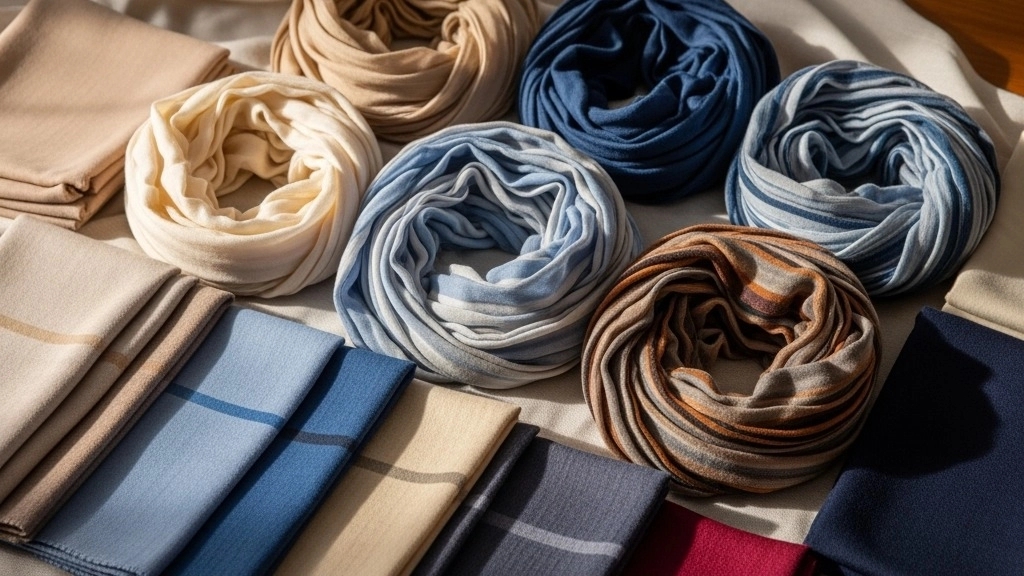



Why is it critical to keep and wash the scarf and scarf?
fabrics used in scarves and scarves are often very delicate and sensitive. Incorrect washing, autocracy and maintenance methods can cause irreparable damage to them, including:
- Blood and loss of color: Washing with hot water or strong detergent, eliminates the pigments and opens the fabric.
- Network and damage to the tissue: Cutting, cheeking or washing in the washing machine can change the fabric and dry texture. Make.
- Loss of Loss: Using inappropriate or direct autocracy eliminates the fabric's initial softness.
Therefore, learning the principles of proper maintenance of shawls and scarves are an investment to maintain the beauty and durability of your valuable accessories.
Golden and common principles in keeping all scarves and scarves
Before we deal with the fabric, there are a few general rules that apply to all types of scarves and scarves:
Observing these five simple principles covers a large part of the process of proper maintenance and washing process.
Specialized Washing and Maintenance Guide Based on fabric
Each fabric has its own personality and care needs. Here are some detailed care of the most popular types of scarves and scarves.
1. How to wash and keep the scarf and scarf (cotton)
Cotton scarves are easier to care because of their relatively high resistance but still need attention.
- Washing: The best way is to handheld cold water (up to 2 degrees) and mild detergent. Massage them gently in the water and floor. If you insist on using a washing machine, be sure to use Wash Bags, Delice and Cold Water.
- Rinse: Slowly rinse with cold water to remove the entire floor.
- Drying: After rinse, apply it between the two. Then spread it on a smooth surface or on the shade.
- Autoocracy: Cotton scarves can be ironed at average temperature. It is best to do this when they have a little moisture to make the wrinkles easier.
2. Correct Silk Scarf and Silk Scarf (Silk)
Silk is a luxurious and very sensitive fabric and requires the most careful care.
- washing: just with hand! Fill a pan with cold water and dissolve a few drops of baby shampoo. Put a silk scarf for up to 5 minutes and move slowly. Never grab or do it.
- Rinse: Rinse with cold water and gently rinse. To maintain silk shine, you can add a few drops of white vinegar to the water in the final step of rinse.
- Drying: No way to. Spread it on a clean towel, roll the towel and press gently. Then spread it in a flat place away from direct sunlight and heat. Never use the clip to hang silk, as it remains.
- Autoocracy: Silk Autocrary should be done at the lowest temperature possible and be sure to be done from the back of the fabric. It is best to put a clean cotton cloth on the scarf and then iron. Never spray water directly on silk, as it creates stains.
1. Satin & Chiffon Scarf Care and Scarf
These fabrics, like silk, are very delicate and are prone to yarn.
- washing: Their washing method is exactly the same as silk: manual washing, cold water, mild detergent and short time. When washing, be careful about your nails and jewelry so that you do not make the fabric yarn. Avoid hanging them as it may cause stretching and deformation of the fabric texture.
- Autocelet: Like silk, at the lowest temperature, from the back of the fabric and preferably by placing a protective fabric layer. This step is very key to the proper maintenance and wash of satin and scarves.
1. Maintenance of woolen scarves, moor and texture (Wool, mohair, knit)
These scarves have unique heat and softness, but if they were washed, they will quickly become water and water.
- Washing: A manual washing with completely cold water and detergent is the best way to do wool. Dip the scarf in water and press slowly without grab. Avoid sudden changes in water temperature (eg from cold to hot) separately.
- Rinse: Rinse with cold water and gently.
- Drying: This is the most important step. Never hang wool or tissue, as the weight of the water causes it to be stretched and buried. Spread it on a dry towel and on a flat surface (such as on dry clothing lace) to dry at ambient temperature.
- Autoocus: These scarves usually do not require iron. But if necessary, use iron steam with no direct contact with the scarf surface.
Supplementary tips for professional maintenance
- How to Hanging: The best way to keep scarf and scarf in the wardrobe is to use shawl wood or hang them separately on non -clamping woods to avoid wrinkles. Avoid prolonged folds, especially for silk and satin fabrics.
- Stops: If you create a stain, take action quickly. For fat stains, pour a little corn starch or baby powder on it and wipe after a few hours. For other stains, gently tap the stain with a clean and slightly mild detergent and then wash it according to the instructions.
- Protect against willow: Clean for a long -term wool and silk scarf that is not used for a long time.
Mary Gallery assures you that you can enjoy the beauty and quality of your purchased product for a long time by keeping this guide to properly wash your scarf and scarf. Proper care is a sign of your respect for your choice and the capital you have made for your style. You can always visit us to see the latest collections and get more advice.