
Introduction
Careful understanding of the difference between the container industrial power panel and the postage of the postage is of great importance for engineers, contractors and industrial business owners. Each of these equipment plays a different role in the power distribution system and their proper choice can affect efficiency, safety and maintenance costs. In this article, we specialize in examining these two types of electrical panels, comparing their features, benefits, applications, and structure, and explain why buying from a reputable collection such as a beam technique in the southern tulip of Tehran is a clever decision.
Overall familiarity with the contrast industrial power panel
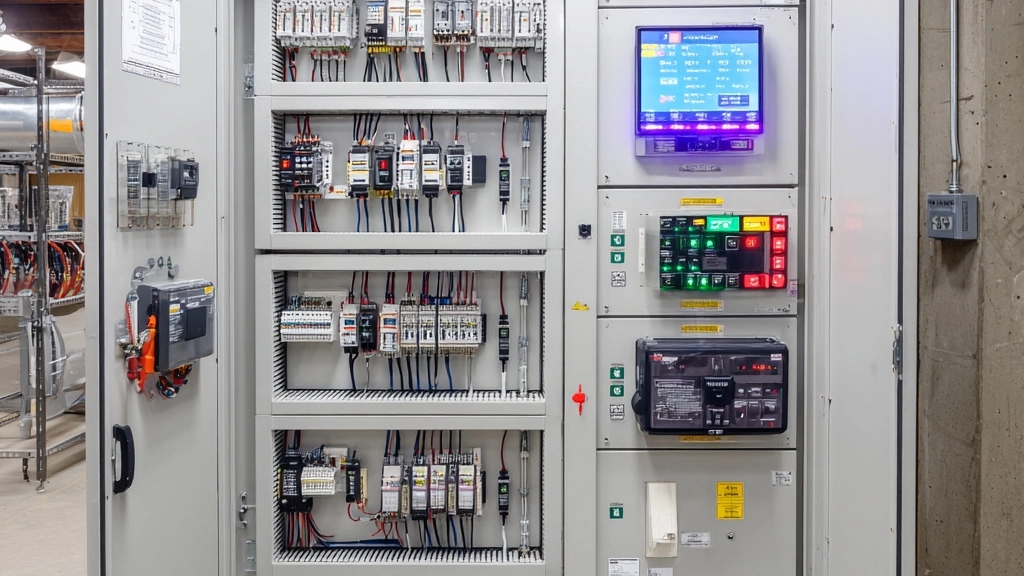
Industrial Control Panel is a device that, in addition to controlling and distributing power flow, allows accurately to measure the amount of power consumption. This type of panel is usually installed at the main input of the projects to provide accurate information on energy consumption.
Important Features of Contact Industrial Panel
- Existence of single -phase or three -phase precision meter
- Ability to install a variety of keys, fuses and relays
- Environmental conditions resistant design
- Easy installation and ability to connect to smart grid
Overall familiarity with the postage
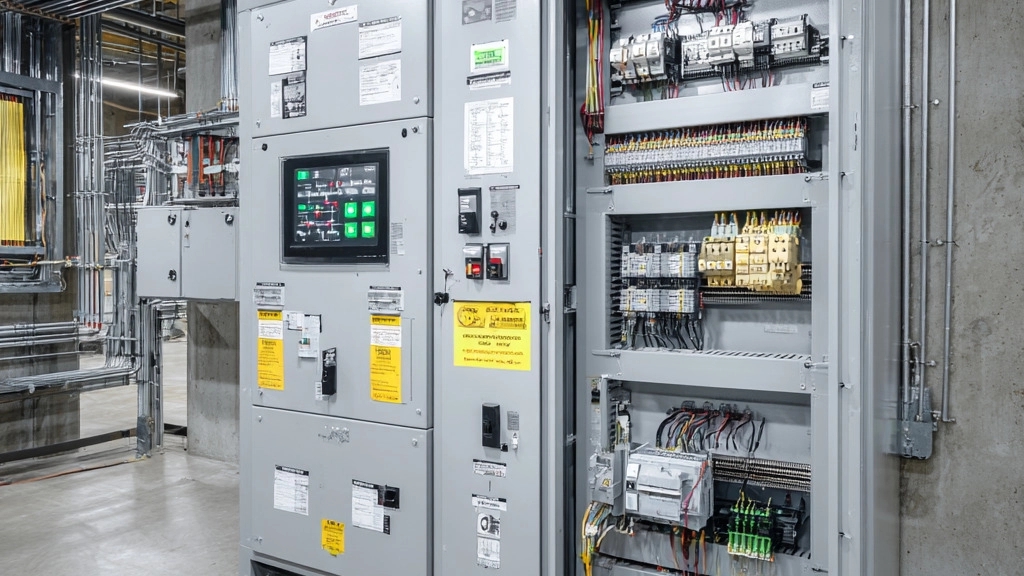
The postage panel is usually part of the power distribution system in high -pressure or medium -sized posts and its main task is to control, protect and redirect electrical energy from the network to consumers. This type of panel plays a key role in the safety and stability of the power system.
Important Features
- Suitable for high and medium voltages
- with protective cells and remote control equipment
- Manage multiple input and output lines
- Full observance of high pressure safety standards
Difference of Contact Industrial Power Panel and Post Power Panel
One of the most important differences between the Contemporary Industrial Panel and the Post Power Panel is their area of use. The contrast industrial power panel is mostly designed to measure and control consumption in a particular set, while the postage is commonly used in transmission and distribution networks.
Projects suitable for Contact Industrial Panel
- Workshops and Factories
- Big Business and Residential Buildings
- Industrial Complex
Projects suitable for postage
- Power Plants
- Urban Electricity Distribution Stations
- Large Industries with Extensive Product Lines
Difference of Contact Industrial Electric Panel and Post Power Panel in Structure
The structure of these two types of electrical panels is quite different because of their different tasks. The contrast industrial power panel usually has a simpler and more compact structure, but the postage is more complex due to the need for high voltage management and multiple inputs and outputs.
The main components of the contrast industrial electrical panel
- Power Century
- Key and sub -keys
- Fuses and protective relays
- Metal body or stainless steel
The main components of the mailbox
- Medium or strong pressure cells
- Measurement Transformers
- Strong Cut and Connection Keys
- Added Voltage Protection Equipment
Benefits and restrictions on any type of electrical panel
The benefits of the Contractor Industrial Panel
- Lower Cost than Power Power Panel
- Faster Installation Faster
- Suitable for Limited Spaces
- Customer Ability to Project Requirements
The benefits of the mailbox
- Manage multiple power lines
- High Safety High Safety
- Heavy and continuous load tolerance
- Advanced protective equipment
Restrictions both
Contact Industrial Electric Panel is not suitable for very high voltages, while the postage requires a lot of space and high cost of setup.
How to choose the right project based
To make a decision between the Contact Industrial Panel and the Post Electric Panel, the budget, the existing space, the required electricity capacity and the type of project must be explored.
Expert advice with beam technique
Beam Techniques with years of experience and experienced technical team is ready to provide free advice to customers to help choose the right between the Contemporary Industrial Electric Panel and the Post Power Panel.
Special Services of Beam Technique
- Dedicated Design Design As required
- Using original and quality components
- Safety Guarantee in accordance with national and international standards
- after -sales support and delivery of spare parts
Ideal location
The Bureau of Beam Technique is located in the southern tulip of Tehran, where access to warehouses, parts and fast shipments is provided.
Final conclusion
The difference between the Contracting Industrial Electric Panel and the Post Power Panel in the Application, Structure and Working Voltage Level It shows that the right choice of this equipment requires technical knowledge and specialized consulting. By purchasing a beam technique, you can make sure that the product is based on the project needs, with the required standard and full service.