
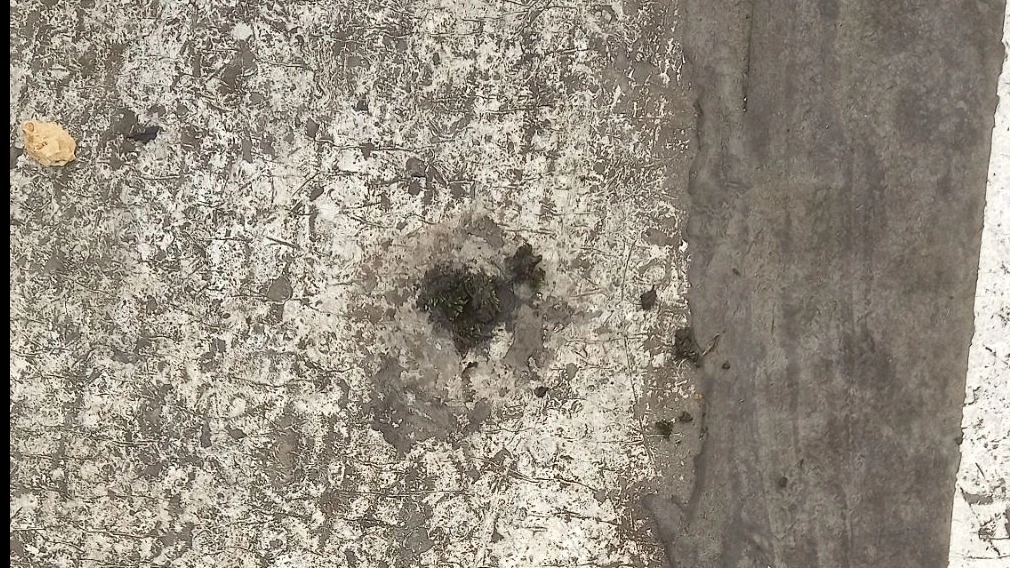
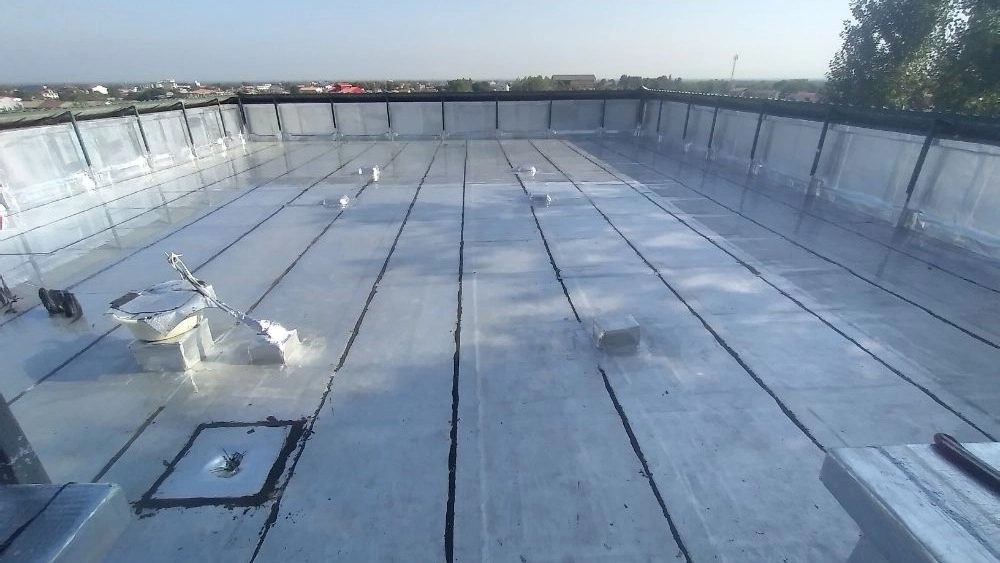
Each isogam is used relative to pure bitumen and quality materials have different lifespan
We suggest looking for quality isogams instead of buying cheap acid isogams and buy from reputable dealers
Damage isogam is a matter that will happen sooner or later; Sometimes due to factors such as severe changes in temperature and heavy rainfall, etc., and sometimes due to time and burnout of this insulation. In this case, the layers are usually damaged and are no longer able to prevent moisture penetration into the surface. It is here that the time is to repair the isogam and the best way to do this is to paste the isogam on the previous isogam.
This means that the previous layers must be removed and after the standard infrastructure, the new layers are reinstalled. The Gilan Groupjan team performs the installation of isogam in all areas of Gilan, along with isogam repairs, to do the right insulation and be sure of its proper performance. Here are some comprehensive tips on the process of installing the isogam on the old isogam and how to do it.
Contact us for free advice.
1
How is the installation of isogam on the old isogam?
Paste the new isogam on the damaged and worn layers must be carefully done. The steps need to be fully and correctly implemented to function properly. Overall, the process of installing isogam on the old isogam is done in the following steps:
2- Cleaning the old isogam dust
isogam is exposed to open air and many dust accumulates on its layers. When the installer wants to install the new layers of this insulation, it must clean the old isogam dust well. Because this contamination prevents new layers from being attached. Usually, the old layers are well washed and cleaned with water and vacuum cleaner to remove the dust from the surfaces and porches. In general, any type of material that prevents the new isogam from contacting the old isogam should be completely removed.
Review and separate the worn layers
The second step to install isogam on the old isogam is to find layers that are no longer usable. The useful life of the isogams is approximately 10 years and then needs to be rebuilt. Some layers can be used as a new substance. But the worn -out layers are not usable and should be identified and separated.
2- Fill in the cracks and cracks
At this stage the installation detects and fills any recess and cracks on the surface. Usually used to fill these parts of bitumen.
Reinstall the isogam
In addition to the process of gluing the isogam on the old isogam, new layers must be installed on the previous layers and the bitumen surface. Of course the previous layers may also be re -adopted.
1- Investigating the bumps
After installing the new isogam layers, the Gilan Gradedlijan isogam installation team checks that there is no bump on the implemented level. If the previous isogam is not properly installed, the likelihood of such bumps is very high.
Cutting the winds with a cutter
If the installers notice the bump or wind or the so -called bubble on the isogam surface, it will cut them with a cutter. The bumps should be crushed and then reinforced by high heat penetration, the layers that have been opened.
How to glue the isogam on the old isogam?
When installing isogam on the old isogam, it should be noted that before gluing the isogam on the previous isogam, it must be cut and winding parts, separated, and in addition, the previous isogam should be thoroughly sprayed. Installation of isogam on the old isogam, in the Gilan Gostar Delijan Collection, the use of specialist isogam experiences at the center is guaranteed and best possible