
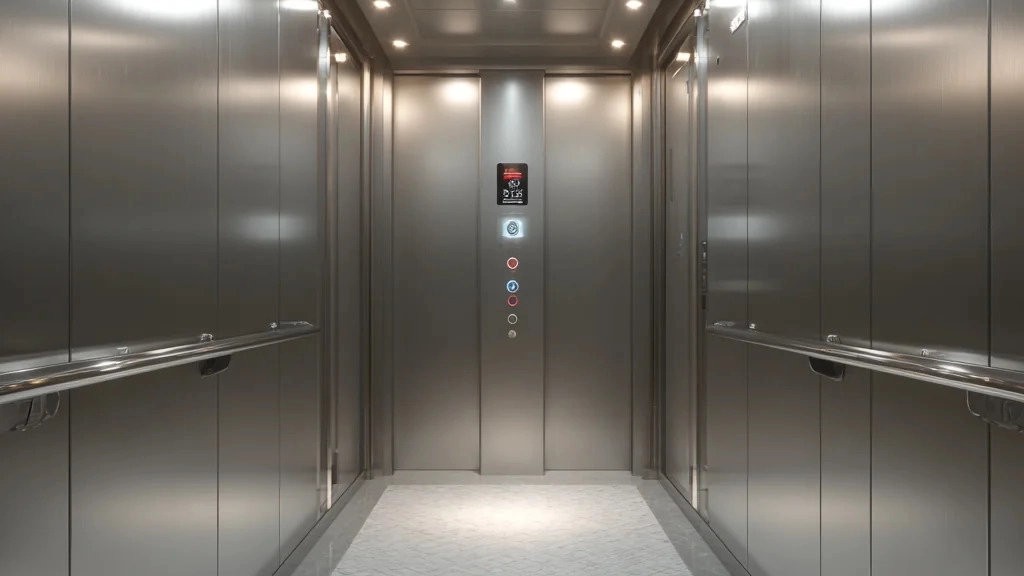
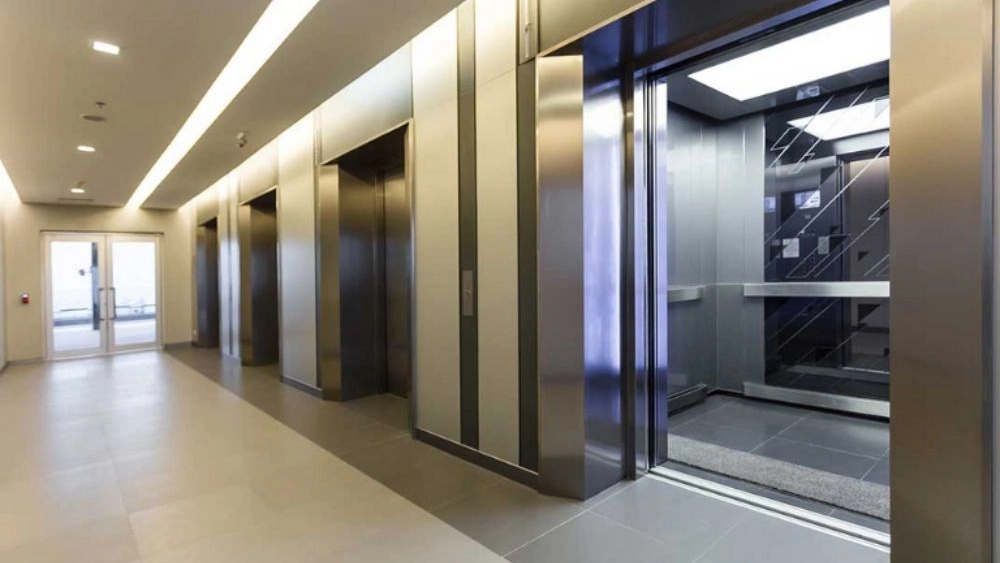

Installation and launch of tensile and hydraulic elevator in Isfahan is one of the vital services in the modern construction industry that directly affects the comfort, accessibility and safety of residents and users of residential, commercial and office buildings. Isfahan city with a growing urban context and numerous altitude construction requires specialized and standardized vertical transport services. Rashin Faraz Company with extensive experience and brilliant records in the design, engineering, installation, service and maintenance of elevators has been able to gain a significant place in the Isfahan competitive market and be recognized as one of the pioneers in this field. Focusing on quality, accurate observance of standards and providing optimal after -sales service are the main pillars of the company's success in this geographical area.
Importance of Elevator Engineering and Elevator Engineering
Installation of elevator is beyond assembling parts; This process requires a deep understanding of mechanics, electricity, structures and safety requirements. Any defect in installation can lead to reduced efficiency, increased maintenance costs, and in more acute cases, disasters
Safety in everyday use: Guarantee users' health
Elevator is a complex vertical displacement device that can become a risk source if installed non -standard. Careful observance of installation and use of accurate measurement tools in rail installation and cabinet alignment directly affect safety.
- Emergency Brake System (Parachot): Ensure that the system is operated correctly if the towing wire is disconnected or excessively increases, requires accurate installation of speed sensor mechanisms.
- Protection against crash:
- Speed Restrictions: precise adjustment of speed parameters in the control panel to prevent acceleration and sudden stops that can be annoying or dangerous to older and children.
Increase the useful life of equipment and optimize performance
Correct implementation of the installation process, including proper lubrication of the rails, precise engine room balance and isolation of power cables, will continue to operate the elevator system for many years and with the least major breakdown. Rashin Faraz Company always uses standard certificates (such as European CE certificates or national standards) in its projects to ensure the durability of equipment.
Types of elevators used in Isfahan projects
In Isfahan, depending on the height of the building, the expected traffic and the limitations of the engine space, there are two main types of elevator, each with its own advantages and disadvantages.
1. Tensor elevator
This is the most common type of elevator that uses the friction force between the towing wire and the stretching (paid) to move the cabin.
- Function: Using gearbox or gearbox motor and balance weight system, the power needed to move the cabin. Seconds).
- Benefits: High speed, high altitude shift, better energy consumption compared to high speeds.
- Technical Note: Modern Garres Eoators with permanent magnet technology require higher motorcycles.
2. Hydraulic elevator
This system uses the inconsistency of the fluid to move the cabin.
- Function: Pumps an electric pump into a cylinder (jack) in which the piston increases the cabin. When lowering, the oil returns to the tank by controlling the electric valves.
- Application: Very suitable for low -income buildings (up to 1 or 2 floors) and buildings that are not possible to build a motor home (ROOFS Shaft) and have less space for equipment. (Installation of the pump at the bottom or next to the well), launching a softer and low -speed at low speeds.
- Limitations: Lower speed and restriction on motion height, need to maintain more accurate maintenance of the oil and pump system.
Detailed steps of installing tensile elevator
Installation of tensile elevator is a multi -step process that is critical to the final performance at each step.
1. Initial review of the building, mapping and obtaining permits
Before any physical operation, the Rashin Engineering Team examines the building architectural maps to ensure the structure of the structures with the loads of the elevator.
- Structural Analysis: Review of well foundation foundation strength (for high -speed elevators) and precise determination of the required dimensions and tolerances.
- Determination of equipment: precise location of the engine (in case of gearbox), client control and location.
2. Installation of holder structures (rails and alignment)
rails are the spine of the elevator system and must be mounted carefully.
- Fixing Brackets: Brackets must be screwed or welded based on pre-designed maps.
- Assembly of rails: rails (usually T-Type) are connected to components. The tolerance authorized for the lateral and vertical deviation of the rails is very strict (usually below 1.5 mm per meter).
1. Installation of stretching machinery and equipment
- Installation of Engine and Floor: In the grassroots, motor and traction elevators, usually installed directly at the top of the well (or sometimes at the bottom). The engine axis alignment is critical to the plate of the plate to prevent the premature wear of the bearings.
- Cabin and Balance Weight Installation: Cab's assembly and balance weight on the guiding rails. This step also includes the installation of buffers on the floor of the well.
1. Wiring, installation of control cabin and safety
This step involves the installation of electrical and electronic systems that provide elevator intelligence.
- Bed Cable: accurate installation of communication cables between the cabin and the control panel. This cable should be installed in such a way that it does not excess stress during movement.
- Installation of the control panel: put the main panel (usually in the adjacent or top of the well) and perform the main connections of the power and steering wheel.
- Installation of safety equipment: Parachot.
1. Final tests and launch
Once the physical assembly is completed, the exact settings process begins.
- Cab's balance test: Ensure that the cabin is aligned with floor floors at all stops.
- Electronic Settings: Set up velocity curves (acceleration, fixed speed, speed reduction) using speed control drive (VFD) Nominal and additional load to ensure the stability of the system under maximum conditions.
Detailed steps of installing hydraulic elevator
Hydraulic elevator installation requires different considerations because of the fluid -based nature.
1. Choose the right place and space preparation
For hydraulic jacks, there is a need for a pit under the well so that the piston has enough space in the lowest cabin mode.
- Pit digging: Pete depth must be calculated according to the jack course and safety standards (sufficient space for maintenance under the cabin).
- Pump and motor location: This unit is usually installed near the well and in a dry well.
2. Installing hydraulic jack and pump system
This step is the core of the hydraulic system.
- Installation of Jack: Jack can be the type of jack (in front of the well) or the underwater jack (under the cabin). Installation must be fully vertical and without any angle to prevent the abnormal wear of the jack.
- Cylinder and piston assembly: precise cleaning of the cylinder before installing the piston to prevent the entry of fine particles into the hydraulic system. Jack with careful observance of fittings and use of appropriate sealing materials (such as Teflon tape or special adhesives).
1. Connecting electrical circuits and controlling
Hydraulic elevator control is usually easier than stretching, but pressure settings are important.
- Electric valve installation: These valves must be adjusted so that the oil flow is controlled when climbing and down at the desired rate.
- Start Pressure Adjustment: Set the pressure key until the pump is activated only when the oil pressure has fallen below the limit.
1. System pressure test
Hydraulic test is more focused on fluid function and non -leakage.
- Testing Test: After filling the tank from the appropriate hydraulic oil, the system is pressured and all connections are reviewed to detect any oil leakage.
- Over Speed Test: Increased Elevator Functions. Is.
Benefits of working with Rashin Faraz Company in Isfahan
Choosing a reputable contractor in Isfahan can make a big difference in the life and quality of elevator services.
The use of up -to -date technologies and standardization
The company is always trying to use the latest industry developments (such as smart drives, MRL -non -engine -free technologies, and energy management systems) in its projects. All installations are carried out by emphasizing the full compliance of Iranian national standards (ISIRI) and if needed, EN 81 European standards.
Extensive after -sales service
In Isfahan, the time of response in emergency is critical. Rashin Faraz provides its 24 -hour technical support to its subscribers and has a commitment to send the technical team in the shortest possible time after the failure.
Key points in choosing the elevator system by customers
Decisions on the type of elevator should be based on accurate technical and economic calculations:
Standards and safety in installation: an undisputed commitment
Safety in the installation of tensile and hydraulic elevators in Isfahan consists of several main axes:
- Mechanical Safety: Ensure correct installation of mechanical components such as doors, Door Interlocks, and Car Safety Locks.
- Electrical Safety: Using Control Panels, Earth).
- Computational load matching: in engineering calculations, the resistance of all moving components must be based on the maximum nominal and dynamic load of motion, in such a way as to provide the required reliability.
Post -installed maintenance steps (service and support)
Successful installation is just the beginning. Regular maintenance guarantees the perfect performance of the elevator.
- Periodic Services: Monthly Services to check the performance of the lubrication of the rails, check voltage and clean the sensors. Seasonal services include a deeper test of brakes and hydraulic systems.
- Replacement of worn parts: Timely detection of parts such as brake pads, balance roller pads, and replacement before reaching the fracture point Use of new algorithms and increased stoppage and tremor reduction.
Conclusion
Installation and commissioning of tensile and hydraulic elevator in Isfahan requires deep expertise, adherence to engineering maps, and careful observance of safety standards. Rashin Faraz Company has introduced itself as a reliable partner for development projects throughout Isfahan province, relying on the experienced technical team, using approved components and providing strong support services. Choosing this company will guarantee a sustainable, safe and minimal maintenance cost of the elevator's useful life cycle.