Aras polymer refinement is one of the pioneers of the rubber recycling industry in Iran, which, using advanced pyrolysis technology, has been able to take a major step towards recycling rubber waste and alternative fuel production. The process of rubber pyrolysis in refining Aras polymer materials as one of the new recycling methods plays a key role in sustainable development, reduced environmental pollution and energy saving.
First step: Feasibility study and market analysis
The first step in designing any production line is to conduct feasibility studies. In the tires project in the Aras polymer refinery, technical and commercial experts first examined the market capacity for output products such as pyrolysis oil, industrial soot (carbon black) and recycled steel.
At this stage, parameters such as the volume of waste tires in the Jolfa area, transportation costs, energy and water access, as well as environmental licenses are reviewed. Market review showed that with the rise of demand for alternative fuels, the implementation of such a production line was very economic justification.
Second stage: conceptual design of the production line
In the conceptual design of the rubber pyrorosis production line, the original and lateral equipment layout is based on the targeted capacity. In refining Aras polymer materials, this design is designed to optimize energy consumption and increase production efficiency.
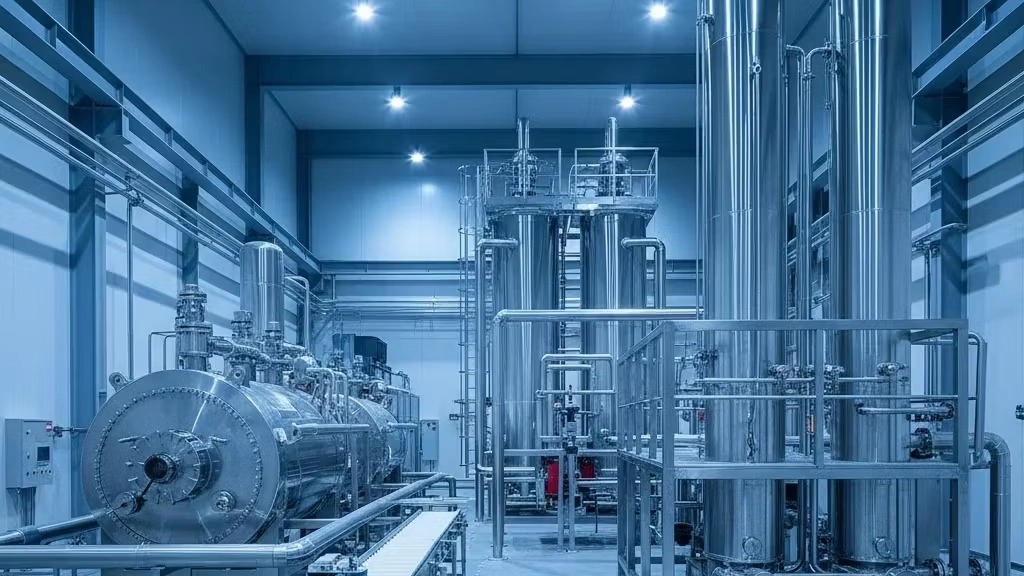
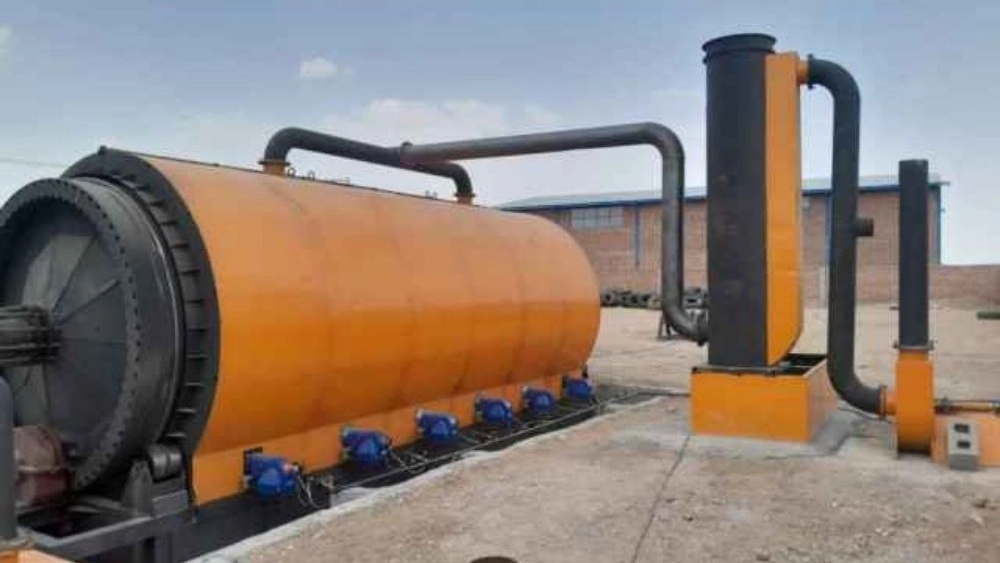
The main elements of the line include a pyrolysis reactor, a cooling condenser, the gas separation system, the oil storage tank, the soot filter and the intelligent control system. At this point, the initial maps are prepared with the flow of material and energy flow to perform the implementation steps more accurately.
The third stage: choosing technology and technical equipment
The technology used in the process of rubber pyrorosis in the refinement of Aras polymer materials is a thermal type without the presence of oxygen, which is implemented at temperatures of about 1 to 2 degrees Celsius. The selection of the reactor (usually heat -resistant steel), indirect heating systems, and the leakage immune system are the most important issues in this step.
In refining Aras polymer materials, with the utilizing European technology and domestic production, equipment has been designed and installed that increases the amount of carbon production and minimizes fuel consumption. This feature makes this collection significantly different from other similar companies in the country.
The fourth stage: implementation of infrastructure and installation of equipment
Once the design is finalized, construction and installation begins. This section includes ground preparation, installation of foundations, heat transfer systems, pipelines, thermal insulation and hydraulic fittings.
Rubber Pyrillosis Production Line has been implemented in refining Aras polymer materials in accordance with international industrial and safety standards. The installation team consists of experienced experts in the field of mechanics, electricity and control to carry out the installation process with maximum accuracy and coordination.
At this stage, PLC control systems are also installed to monitor the temperature, pressure and flow of materials, which helps to optimize operation and extend the life of the equipment.
The fifth step: launch test and quality control
Once the equipment is completed, the initial startup tests begin. The purpose of this step is to check the reactor's performance, to ensure the accuracy of cooling systems and control the quality of the end product.
In the Aras Polymer Refining Complex, each production unit is subject to pressure testing, leak testing and thermal performance testing before official operation. Then the final product is chemically composition, viscosity and the purity of pyrolysis oil and compares with international standard samples.
The sixth stage: industrial exploitation and performance optimization
After technical and qualitative approval, the production line enters the industrial exploitation phase. In the process of rubber pyrolysis in the refinement of Aras polymer materials, several tons of worn tires daily converts to liquid, gas and carbon fuels.
This operation is done with the help of a smart monitoring system, which instantly controls the temperature, pressure and gas production status. If any inconsistencies are observed, the system automatically adjusts the performance.
The seventh stage: environmental management and safety
One of the main benefits of rubber pyrolysis in refining Aras polymer material is the full adherence to environmental principles. There is no direct burning or propagation of harmful smoke to the atmosphere in this system. Outgoing gases are recovered as liquid or low -contaminated fuel after passing through the special filters and condenmen.
Eighth stage: Production of by-products and added economic value
The main products of rubber pyrolysis in refining Aras polymer materials include pyrolysis oil, carbon and steel wire. Each of these products has an independent and dynamic market in various industries:
Pyrillosis Oil: Used as an alternative industrial fuel for diesel and masut.
Carbon Black: It is used in the production of new tires, colors and inks.
recycled steel: used in steel and casting industries.
This composition of the products has made the tireproofing design in Jolfa very economically profitable and while protecting the environment, it creates a high added value for the regional industry.
Ninth stage: maintenance, repairs and technical support
In Aras Polymer Refining, Preventive Maintenance Program (PM) has been developed for all equipment to prevent production stopping. Control systems are designed to warn the possible components to operators.
The engineering department of the company takes the necessary steps to equip the repair workshop, supply spare parts and continuous staff training. These policies increase equipment life and reduce operational costs.
10th stage: Technology development and expansion of new lines
In line with sustainable development policies, Aras polymer refinery is planning to build new pyrrolis lines with more capacity. By applying smart systems and improved filters, the new generation of lines will be able to produce a higher quality product and less energy consumption.
There are also applications for the use of advanced automation in the collection, separation and preparation of waste tires to make all processes fully mechanized and efficient.
Summary
Rubber Pyrillosis Design in Aras Polymer Refining is a successful example of up -to -date technology, accurate management and environmental commitment in the Iranian industry. From the design stage to the operation, each part of this project is aimed at increasing productivity and reducing planning waste.
Continuing this route, refining Aras polymer materials can play a key role in supplying alternative fuel, reduction of rubber waste and the development of the country's green economy. The future of the industry in Jolfa is clear, and the company focuses on innovation and quality, continuing the path of progress.