Introducing metal thickness testing
Metal thickness testing is one of the most important and accurate non -destructive testing methods used to measure the actual thickness of metal materials without the need to cut or damage it. In various industries of Iran, especially in Kerman province, this test plays a vital role in controlling corrosion, strength and evaluation of steel components and structures.
Arman NDT as one of the pioneers in the field of non -destructive inspection and testing services, using modern ultrasonic devices and trained experts, offers specialized metal thickness testing services with high accuracy and in accordance with world standards.
The importance of metal thickness testing
Dimensional over time due to environmental factors such as moisture, temperature, pressure or contact with chemicals, corrosion, abrasion or dimension. These changes can lead to a decrease in the thickness of the piece and eventually cause failure or leakage.
Implementation of metal thickness test by Arman NDT in various industries is a safe way to prevent sudden risks and extend the life of equipment.
This method is used for oil and gas pipelines, tanks, steel structures, heavy machinery, bridges and power plants.
Metal Concentration Testing Method
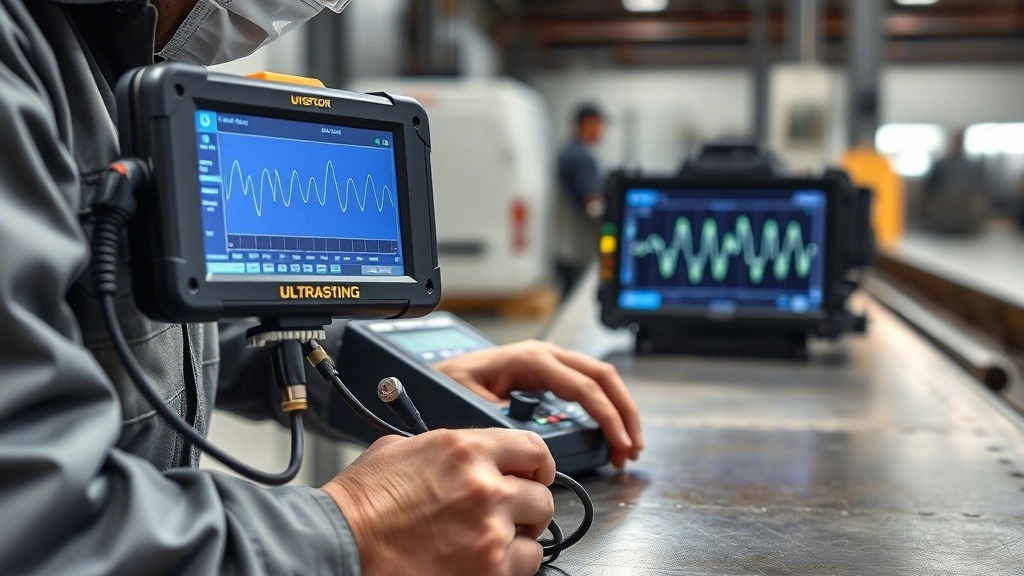
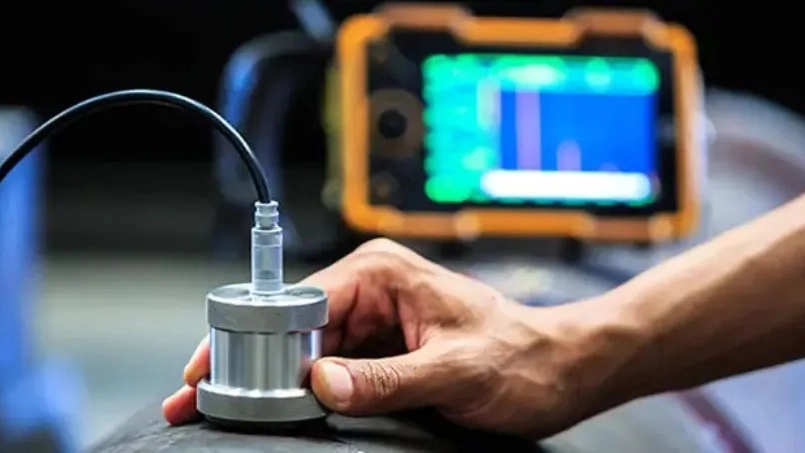
Metal thickness testing by the Arman NDT group is usually performed using Ultrasonic Thickness Measurement . In this method, the ultrasound is sent into the material and the reflection is measured from the back surface of the piece.
The wave sweep time is calculated in the device and the actual thickness is calculated based on the speed of sound in the metal in question.
This method is fast, destructive and very accurate and can even be done on one side of the piece.
Steps to test the Metal Thickness in the Arman NDT Group
Metal thickness test applications in different industries
1. The oil and gas industry
In this industry, pipes and tanks are always exposed to internal and external corrosion. Metal thickness testing by Arman NDT is used in Kerman refineries and transmission lines to identify damaged points and prevent leakage or explosion.
2. Power plants and electricity production industries
In steam or hybrid power plants, high -pressure steam pipes work. Reducing thickness in these components can be very dangerous. Arman NDT ensures safe performance of the plant by performing metal thickness testing.
3. Steel and Building Industries
In Kerman and other industrial areas of the country, steel factories use metal thickness testing to control the quality of sheets, beams and steel sections.
4. Heavy Transportation and Machinery Industry
In mineral and construction equipment, the thickness of the bodies and tanks should be examined regularly to prevent sudden failure. Arman NDT team offers fast and accurate field services.
Technologies used in metal thickness testing
Ultrasonic digital devices
new digital devices are able to accurately record thickness of up to 1.5 mm. These devices are used in the Arman NDT group to test the thickness of metals in heavy industrial environments.
Special probes
For curved surfaces such as pipes or high temperatures, Arman NDT uses heat -resistant and heat -resistant probes
Analytical software
Thickness information is recorded through analytical software and delivered to the client as a chart, color map and numerical report.
Benefits of using Arman NDT services in metal thickness testing
High accuracy and full assurance
Arman NDT Group guarantees the highest level of accuracy in results using calibrated equipment and ASNT certification technicians.
Economic savings
The metal thickness test is prevented from stopping production lines, heavy repair costs and equipment replacement.
No need to destroy the piece
This method is completely non -destructive and can also be done on the working parts.
High speed and flexibility
Arman NDT technical team can perform metal thickness testing without the need to transfer the piece at the project site.
International standards used in metal thickness testing
Arman NDT Group follows the global standards in the performance of metal thickness testing:
- ASTM E797 to measure thickness by ultrasonic
- ISO 16809 for devices technical requirements
- Asme V Article 5 for inspection of sensitive equipment
- API 570 for oil and gas pipelines
adherence to these standards makes the test results are reliable, documented and valid.
Technical and Documentary Reporting in Arman NDT
After the metal thickness test, Arman NDT experts produce a comprehensive report:
- Full Table of Measured Values
- Thickness Decrease Charts Along the Route
- Test Points Map on Map
- Explaining Broadcasting and Amendment Suggestion
All results are delivered in digital and print file format so that project managers can make accurate technical decisions.
Comparison of metal thickness testing with other inspection methods
Testing Inspection Method Needless to Cut the accuracy of non -destructive metal thickness testing (UT) very high thickness, Corrosion of Ocular Testing (VT) Moderate Moderate Identification of superficial PT test defects.
As it is clear, the metal thickness test is more accurate and economical than other methods.
Factors affecting the accuracy of metal thickness testing
- Metal surface roughness
- Environmental temperature and piece
- Selection of the appropriate probe
- Interface Material
- Operator's skill
In the Arman NDT group, all of these factors are precisely controlled to provide reliable results.
Successful Arman NDT experiences in Kerman Industrial Projects
Arman NDT Group has so far implemented dozens of important metal thickness testing projects in Kerman province and other provinces.
Successful projects include Kerman Petrochemical Pipeline Inspection, Thickness Control of Steel Tanks, and Evaluation of Corrosion of Steel Structures of Industrial Estates.
High accuracy, speed of operation and full reports have made Arman NDT one of the most prestigious metal thickness test centers in the country.
Training and empowering NDT specialist forces
These tutorials are based on ASNT standard and include theory, device work, calibration and interpretation of results.
The purpose of these courses is to train indigenous forces in Kerman province to better meet the needs of local industries.
The role of metal thickness testing in equipment safety
In industrial projects, safety engineers must periodically ensure the technical health of the equipment.
Metal thickness testing is one of the essential tools for assessing safety against leakage, cracking, or burnout.
Arman NDT helps to identify critical points and determine the time of repair or replacement by applying precise ultrasonic technology.
The future of metal thickness testing in Iran
With the advancement of digital technologies, the metal thickness test is moving towards smart systems and online monitoring.
Arman NDT also takes steps in the development of automated thickness and data analysis systems to provide more modern services to industries.
The role of this test will become more vital with the increase in the need for oil, gas, steel and building industries.
Conclusion
Metal thickness testing is a key method for controlling the health of metal parts in various industries.
Arman NDT Group is one of the most prestigious metal thickness testing centers in the country with modern equipment, professional staff and extensive experience.
accuracy, speed, accurate reporting and international standards have made this group a first selection of Kerman industries and other parts of Iran for NDT services.