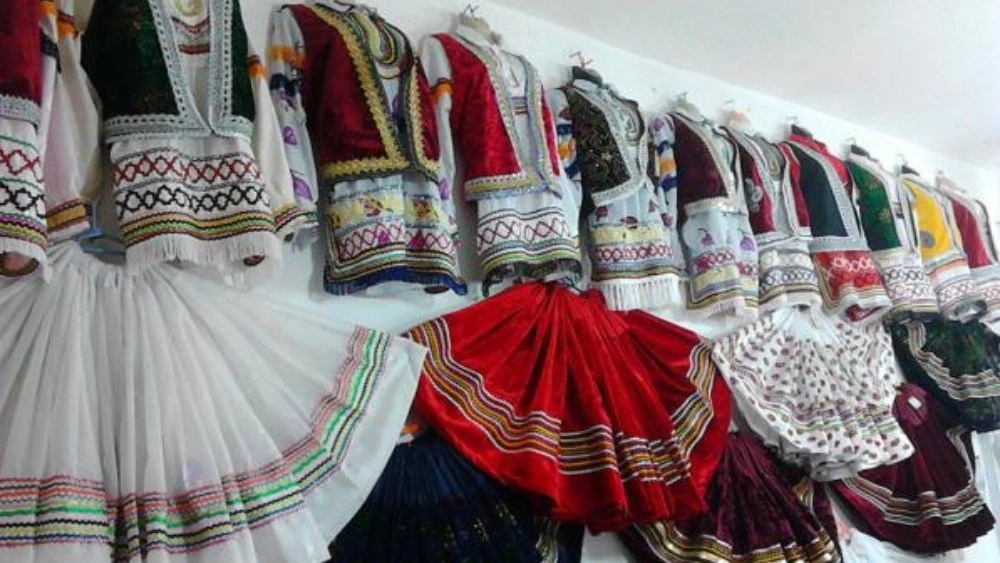


Traditional local clothes are not just a beautiful cover; They are part of the cultural and artistic identity of Iranian nations and peoples. From the flamboyant Balochi dresses to the pleated and colorful Gilki dresses, each local dress has a story of authenticity and artistry of the people of a land. However, the maintenance and washing of local clothes requires awareness and care, because usually these clothes consist of special fabrics, decorative stitches and hand-made embroidery, which are quickly damaged by strong detergents or improper treatment.
Why is it important to take care of local clothes?
Cultural and artistic value of local clothing
Local dress is not just a cover; It is a symbol of the local culture, history and art of each region. From traditional motifs to coin embroideries and hand patterns, all show the ethnic authenticity and taste of local artists. Therefore, the proper maintenance of local clothes is actually the preservation of Iranian culture and art.
The role of fabric and sewing in the sensibility of local clothing
Many of the local clothes in Sarbineh clothing production are produced from authentic fabrics such as velvet, linen, cashmere or silk. Due to their softness and special quality, these fabrics are sensitive to heat, chemicals and improper washing. Observing the correct maintenance method will not change the texture and color of the clothes.
Prevent aging and deformation
One of the common problems in traditional clothing is the sagging, discoloration or loss of hand-embroidered decorations. If the clothes are washed, dried and stored properly, they can have the same effect as the first day for years.
Examining the types of local clothing fabrics and their maintenance methods
In the production of local clothes, different fabrics with different characteristics are used. Knowing the type of fabric is the first step to properly care for it.
Local clothes with velvet fabric and cashmere
Velvet is one of the main fabrics in formal and local clothes. Cashew also needs special care due to its hand-woven designs and special color. According to the manufacturer's recommendation, these clothes should only be washed by hand in cold water. Using a washing machine even in gentle mode can destroy its texture.
Cotton and linen clothes for everyday use
Gilki women's clothes or light Lori clothes are usually made of cotton or linen fabric. These clothes are more durable than cashmere and velvet, but if they are washed with hot water, there is a possibility of the fabric getting wet.
Decorative fabrics and hand stitching
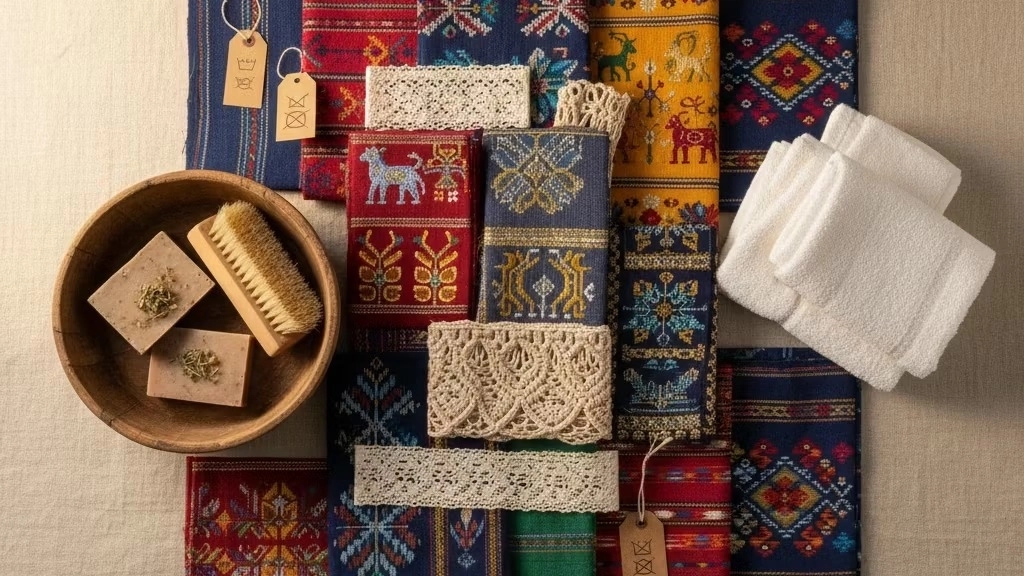
Clothes that are offered in Sarbineh garment production with embroidery, tapestry or traditional decorations should be cleaned with special detergents for delicate fabrics. These clothes should not be grabbed or pressed, but should be gently immersed in water and then rinsed.
The principles of washing traditional local clothes
Choosing the right detergent for delicate fabrics
Do not use strong detergents or industrial powders for traditional clothes. The best option is baby shampoo or soft washing liquid. Sarbineh clothing manufacturer recommends to first dissolve the detergent in water, then slowly put the clothes in the solution so that the detergent is distributed evenly.
Proper water temperature when washing
Hot water is the biggest enemy of local clothes. The suitable temperature for washing is between 20 and 30 degrees Celsius. This temperature, while cleaning the clothes, preserves the color of the fabric and prevents the stitching from falling.
Step-by-step manual washing method
Alternative washing solutions for expensive clothes
If your dress has delicate embroidery or heavy decorations, it is recommended to use specialized dry cleaners. Some dry cleaners have special services for local and traditional clothes that use waterless methods and mild steam.
How to properly dry local clothes
Dry in the shade and open air
Direct sunlight, especially for colored clothes, makes the color dull and changes the texture of the fabric. It is better to dry the clothes in a shaded environment with natural air flow.
How to hang clothes without damage
Never hang heavy local clothes such as Balochi or Kurdish clothes from the shoulder, as they may stretch. Instead, spread the garment on a dry towel to dry slowly.
Do not use dryer or industrial steamer
Serbineh clothing manufacturer emphasizes that traditional clothes should not be put in a machine dryer, because the concentrated heat causes the fibers to shrink or deteriorate.
Ironing and steaming local clothes
Gentle iron at low temperature
Silk and velvet fabrics are vulnerable to high heat. When ironing, set the temperature of the iron to low and use a thin linen cloth between the iron and the clothes.
Iron on the back to preserve the decorative stitching
To preserve embroidery and tapestries, turn the garment inside out and use gentle steam.
Storing clothes after ironing
After ironing completely, the clothes should not be closed in the closet immediately. Allow the garment to cool to remove moisture from the steam. Then store it in a cloth cover.
Specialized methods of maintaining women's and men's local clothes
Using a fabric cover to protect against dust
Serbineh clothing production offers a special fabric cover for each local women's and men's clothing to protect the clothing from light, dust and pollution. Never use a plastic cover, because it traps moisture and damages the fabric.
Hang clothes in a dry and cool place
Prom or heavy clothes should be stored on a strong hanger in a dry room away from light.
Keeping light and everyday clothes in the drawer
Local cotton clothes are better folded and placed in drawers with a layer of cotton fabric. This prevents the fabric from wrinkling or stretching.
Sarbineh clothing manufacturing golden tips to increase the life of local clothing
Never put local clothes in wet plastic.
After each use, leave the clothes in the open air for about half an hour to remove body moisture.
Avoid spraying perfume or freshener directly on clothes.
Kitchen fumes are enemies of traditional fabrics; Keep the clothes in a dry environment away from steam.
Clean grease stains with a cloth dipped in cold water and baby shampoo and never rub it.
Use hot water or bleach
Hot water causes the fabric to sag and the bleach removes the color of the fabric.
Machine wash even on gentle cycle
Even modern washing machines can tear stitches or ruin decorations on their final spin.
Direct iron on coin embroidery or embroidery
This not only changes the color of metals, but also burns the surrounding fabrics.
Preserving the cultural value of local clothes through basic maintenance
Respecting the art and hard work of local artists
Each local dress is the result of hours of handwork and finesse of artists. Maintaining clothes properly means appreciating their hard work.
Durability of clothes for future generations
If the local clothes are carefully preserved, they can be passed down as a cultural relic from parents to the next generation.
Sarbineh clothing production and cultural responsibility in preserving the authenticity of traditional clothes
Serbineh clothing production plays a key role in keeping Iranian culture alive by producing authentic local clothes and teaching maintenance and washing methods. Each garment produced in this collection is not just a garment, but a part of our national identity.
The bottom line – local dress, a treasured heritage with conscious care
Maintaining and washing traditional local clothes correctly is the main factor in their beauty and originality. From Balochi and Kurdish to Gilki and Mazandarani clothes, they all need special care. By following the mentioned points and using the production recommendations of Serbine clothing, your local clothes will remain shiny, healthy and magnificent for years.