
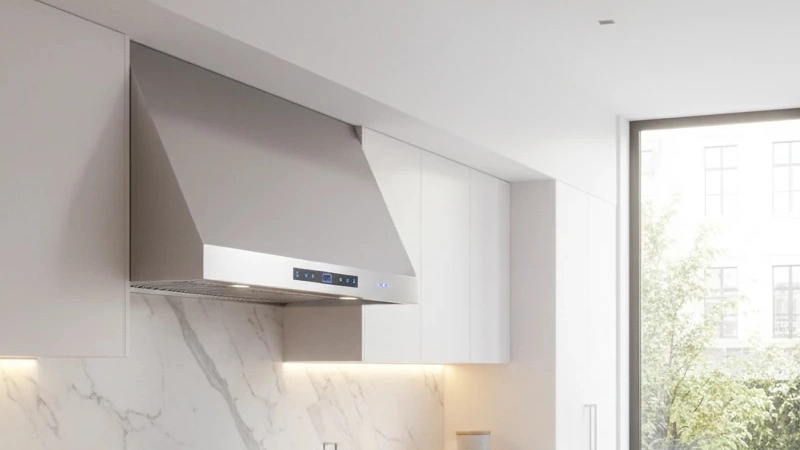
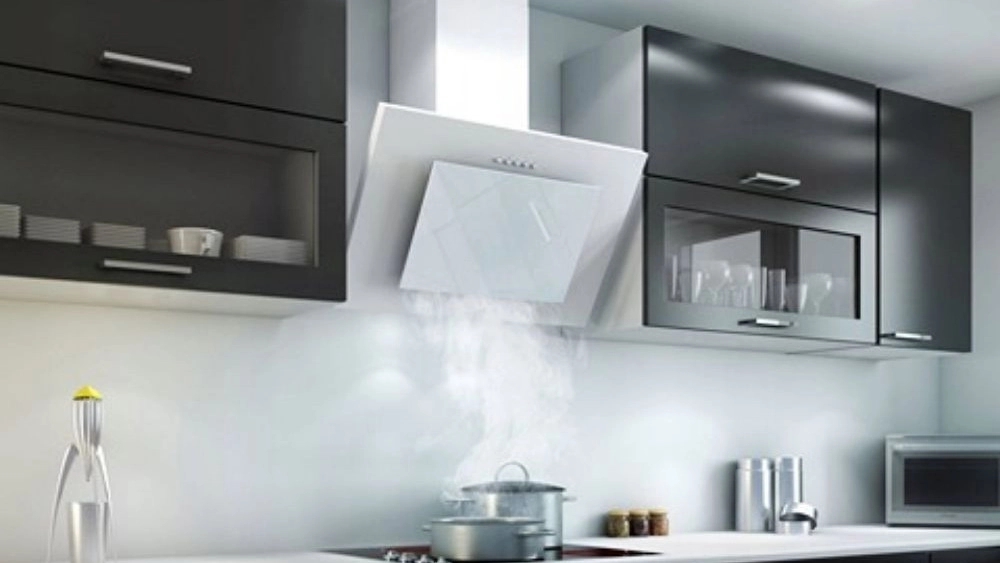
The kitchen hood is one of the most used and at the same time the most neglected equipment in any kitchen. This silent hero device is responsible for the vital task of sucking smoke, grease, odors and vapors from cooking and helps to maintain indoor air quality and keep walls and cabinets clean.
Many people complain after a while of reduced suction power, increased noise, or even dripping grease from their hood. The good news is that most of these problems occur not because of the low quality of the device, but because of the lack of cleaning and maintenance of the kitchen hood in a regular and principled manner.
In this complete guide, we teach you step-by-step how to extend the life of your kitchen hood with simple but effective methods, keep it functioning at an optimal level and avoid expensive repairs or early replacement. This guide is the result of the experience and expertise of Ali kitchen equipment experts who have always been committed to providing the best products and maintenance solutions to their customers.
Why is cleaning the kitchen hood a necessity?
Before we get into the cleaning methods, let's see why this is so important:
- Increasing efficiency and suction power: Accumulation of grease and dust on the filters and inside the engine blocks the passage of air and severely reduces the suction power of the device. Maintenance of the kitchen hood ensures that the device always works at its maximum capacity.
- Increasing the life of the device: Accumulated grease can penetrate the motor and electronic components, causing double pressure, overheating and eventually burning the motor. A regular cooker hood cleaning program will dramatically increase its useful life.
- Reduce the risk of fire: Grease is a flammable substance. The accumulation of a large amount of old and dried grease in the filters and channels of the hood creates a potential fire hazard on top of your gas stove.
- Maintaining the hygiene of the kitchen environment: Greasy and moist environments are ideal places for the growth of bacteria and molds. Keeping the hood clean means having a healthier and more hygienic kitchen.
- Reduction of annoying noise: Clogged filters and pressure on the motor make the hood work harder to suck air, and as a result, it produces a louder and more annoying sound.
Supplies needed to clean the kitchen hood
To get started, prepare these simple items:
- Plastic gloves
- Hot water
- Dishwashing liquid or strong degreasing soap
- Baking soda
- White vinegar (optional)
- A soft brush or an old toothbrush
- A soft sponge and a few tissues Microfiber
- Multipurpose cleaning spray or gas cleaner
- A large container or sink to soak the filters
Ali kitchen equipment collection recommends to always use standard detergents and soft tools so as not to damage the body and sensitive parts of your hood.
First step: cleaning the hood filters (the beating heart of the device)
Filters are the most important part in the maintenance process of the kitchen hood. Most of today's hoods have metal filters (aluminum or steel) that can be washed.
How to clean metal filters:
- Separation of filters: Unplug the device first. Then find the latches or locks on the filters and carefully pry them out.
- Soaking: Fill a sink or a large pan with the hottest water possible. Add half a cup of baking soda and a few tablespoons of concentrated dishwashing liquid to the water and stir well.
- Place the filters in the solution: Immerse the filters completely in the hot water and baking soda solution. Let them soak for at least 30 minutes. If the fats are very old and stubborn, increase this time to an hour or more. You will see the fats gradually dissolve in the water.
- Brushing: After soaking, gently brush the entire surface of the filter using a soft (not wire!) brush. Focus on the spots where the fat still remains. Baking soda acts as a mild abrasive and helps remove grease.
- Rinse and dry: Rinse the filters thoroughly with hot water to remove any traces of detergent or grease. Then place them vertically in the sink or dry them completely with a soft towel. Very Important Note: Make sure the filters are completely dry before reinstalling to prevent rust or mold growth.
Note: Some metal filters can also be washed in the dishwasher. To be sure of this, be sure to refer to your hood's manual.
Second step: cleaning the inner and outer body of the hood
After removing the filters, it is time to clean the device itself.
Cleaning the outer body (hood view):
- Steel hoods: To clean steel hoods, prepare a solution of warm water and dishwashing liquid. Dip a microfiber cloth in this solution, remove the excess water and clean the surface of the hood. To avoid stains, always wipe in the direction of the texture (green) of the steel. Then dry the surface completely with a dry and clean cloth. For the final shine, you can use a few drops of olive oil or special steel cleaner sprays.
- Glass or colored hoods: You can also use the same solution of water and dishwashing liquid for these types of hoods. All-purpose cleaners or glass cleaners are also good options. Be careful that strong and acidic detergents do not damage the colored surface of the hood.
Cleaning the interior of the hood:
This part is usually the dirtiest part. With a napkin or paper towel, remove thick and smoothed fats. Then, using a sponge dipped in a solution of warm water and dishwashing liquid, carefully clean all the internal surfaces. For corners and hard-to-reach places, use an old toothbrush. After finishing the work, wipe the floors with a clean damp cloth and finally dry everything.
The third step: cleaning the engine and fan impeller (specialized part)
This step requires more precision and is done to maintain the kitchen hood at a professional level.
- Make sure the power is off: We emphasize again, unplug the hood before doing anything.
- Access to the motor: In many models, by removing the filters, the fan blades (suction impeller) are visible.
- Cleaning the blades: The fan blades are usually covered with They are a thick and sticky layer of fat. Remove these greases with a strong degreasing spray (such as cleaning gauze) and an old tissue. You can use a plastic spatula to scrape off the hardened fat, but be careful not to damage the fins. Using a toothbrush is also very effective for cleaning the spaces between the blades.
Kitchen hood maintenance schedule
The key to success in increasing the life of the hood is continuous cleaning. A regular program prevents the accumulation of stubborn fat and makes your job much easier.
- Weekly (or after every heavy cooking): Wipe the exterior of the hood with a damp cloth to prevent new grease stains from setting in.
- Monthly (required): Thoroughly wash the metal filters as described. This is the most important part of maintenance of the kitchen hood.
- Seasonal (every 3 to 4 months): Deep clean the inner body of the hood.
- Every six months: Clean the fan blades and motor carefully. If your hood has a charcoal filter, now is a good time to check and possibly replace it.
- Yearly: Check the entire system including the air outlet duct (if present and accessible). Accumulation of fat in the channels can reduce efficiency and be dangerous.
Additional tips from Ali's kitchen equipment experts
- Choosing the right hood: From the beginning, at the time of purchase, pay attention to the suction power (usually measured in units of cubic meters per hour or CFM) and the material of the hood filters. Higher quality hoods usually have more resistant multi-layer filters. Our experts at Ali Kitchen Equipment are ready to guide you in choosing the best hood suitable for your kitchen space and cooking style.
- Correct use: Always turn on the hood a few minutes before you start cooking and turn it off a few minutes after you finish working. This will help in the complete evacuation of fumes and odors.
- Start on slow speed: For light cooking tasks, use the engine on slow speed. Continuous use of maximum power accelerates engine wear.
- Hood light: Hood lamps also burn out over time. To replace them, refer to the manual and get a lamp with the same wattage and model. The use of newer LED lamps consumes less electricity and has a longer life.
final word
Cleaning and maintaining the kitchen hood may seem like a time-consuming task at first glance, but by following this comprehensive guide and following a regular schedule, this process will become a simple and quick habit. Remember that your hood is an investment for the health, cleanliness and beauty of your kitchen. By spending a little time and care, you can double its useful life and enjoy its perfect performance for many years.