
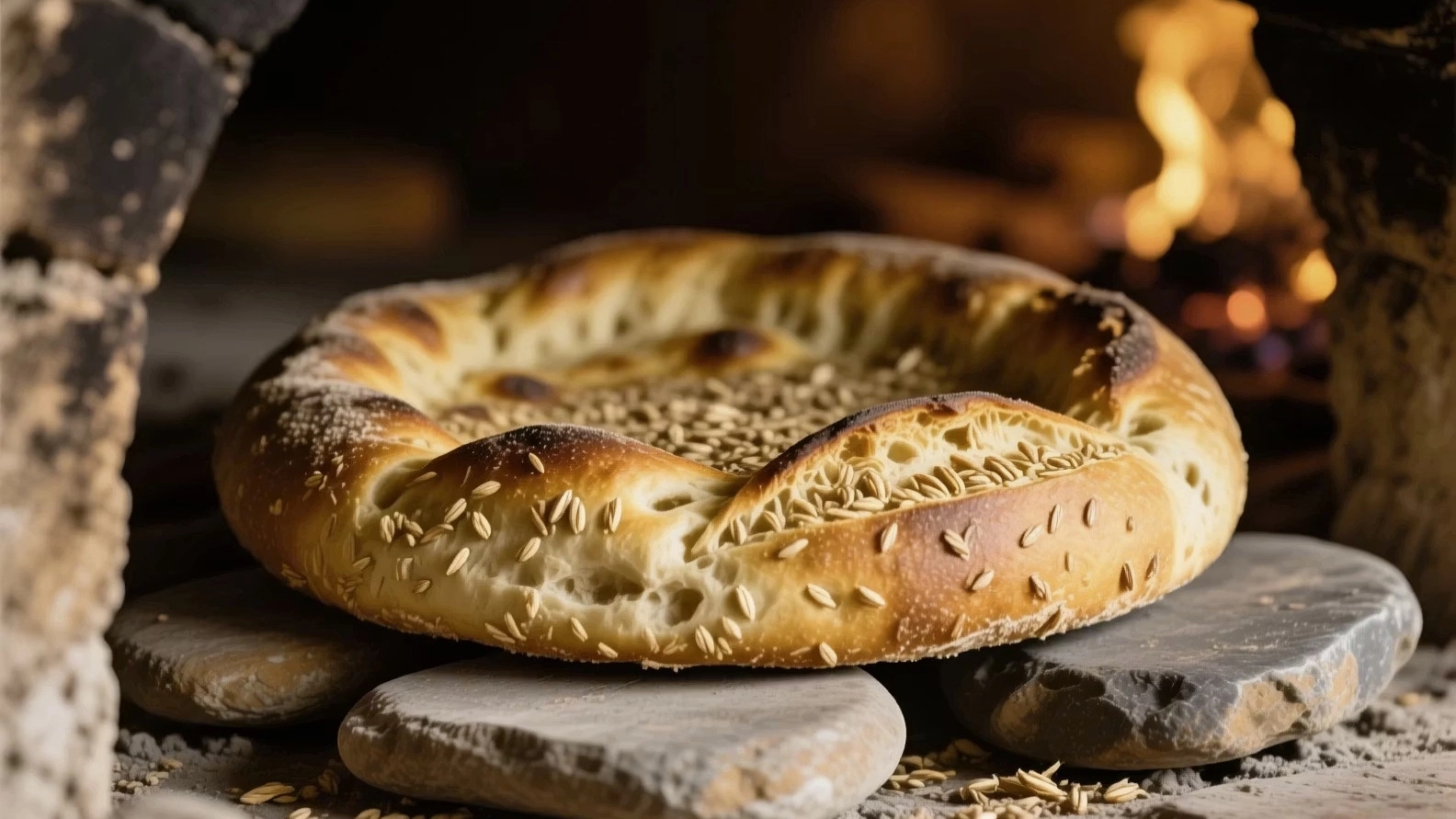
Bread is the main food item on the Iranian table. It has been said for a long time that bread is the blessing of the table, but what is less paid attention to is the difference between healing bread and disease-causing bread. Bread baked with love, knowledge and pure ingredients can truly have healing properties. On the other hand, industrial breads, without bran and full of chemical additives, can endanger the health of the body.
Bidek Bread Collection follows the path of healthy bread making by producing and distributing traditional whole grain bread in Isfahan. The purpose of Nan Bidek is more than commercial baking; This collection has prioritized people's health and, relying on scientific and traditional principles, has turned bread into a natural treatment.
What is a bread healer?
Healing bread is bread that is produced with full compliance with the health chain from the farm to the oven. In fact, the quality of the wheat, the type of mill, the fermentation process and even the intention of the baker play a role in the healing of the bread.
Healing bread is like a natural medicine that, instead of harming, improves the function of the digestive system, lowers blood sugar, controls weight, and improves the body's metabolism.
In Nan Bidek Isfahan, all steps from wheat selection to flour conversion and baking process are carried out under strict supervision so that the final product is not only tasty but also healthy.
The rule of seven and three in the production of whole bread
One of the old principles of healthy bread making in Iran is the "law of seven and three"; A golden law that combines the seven natural stages of production and the three vital principles of health.
The seven golden steps:
- Cultivation of natural wheat: without the use of artificial seeds or chemical fertilizers.
- Three-month rest of wheat after harvest: to release the natural energy of the grain.
- Traditional milling with preservation of bran and germ: Whole flour means flour in which all the nutrients of wheat remain.
- Natural fermentation of dough: with enough time and Without baking soda.
- Cooking with indirect heat: to preserve the minerals.
- Using the positive energy of the baker: According to the ancient Iranians, the positive sense and intention of the baker is effective in the quality of bread.
- Fresh and fast distribution to the consumer: Preserving the nutritional value and taste of fresh bread.
Three vital principles:
- Wheat health
- Health of milling and dough process
- Health of intention in production
Bidek Isfahan Bread Collection, with loyalty to these principles, produces bread that nourishes both body and mind.
How does bread become pathogenic?
1. Unhealthy wheat
When wheat grain is cultivated with a purely economic purpose and chemicals and modified seeds are used, the result is weak and energy-less wheat. Such wheat can never produce healing bread.
2. An unhealthy mill
In industrial mills, bran and germ are separated from flour and then various chemicals are added to make the appearance of flour white and attractive. But the result is a lack of fiber, B vitamins and vital minerals. Such flour leads to bread that causes obesity, constipation, diabetes and digestive inflammations.
3. Unnatural fermentation and use of baking soda
4. Bread without love and care
In many industrial bakeries, bread is only seen as a commercial product. But in Bidek bread, the main belief is that the positive feeling of the baker is an important part of the quality of the bread. The energy of the baker is transferred to the bread, and the difference between bread with soul and bread without life is precisely from this.
Properties of Bidek whole grain bread
1. Strengthening the digestive system
The natural fiber in bran helps the functioning of the intestines, removes toxins and makes you feel full for a long time.
2. Blood sugar control and weight loss
Bidek whole grain bread has a lower glycemic index, so it gradually increases the blood sugar level and is a suitable option for diabetics or those who are losing weight.
3. Rich source of vitamin B and iron
Bidek whole flour is rich in various vitamins that play an essential role in strengthening the nerves and preventing general body fatigue.
4. Improve mood
According to new research, wheat bran contains tryptophan and magnesium, which helps regulate mood and reduce stress.
5. Prevention of heart diseases
Soluble fiber in Bidek bread reduces bad blood cholesterol (LDL) and thus reduces the risk of heart diseases.
Why is Bidek bread a healing bread?
Bidek bread is not just a brand, but the result of years of experience in Isfahan's healthy bread making tradition. The three key features of this collection are:
- Using healthy and indigenous wheat from Isfahan without genetic manipulation.
- Traditional and natural wheat mill preserving the bran and germ.
- Cooking in the traditional way with complete fermentation and without baking soda.
With these principles, Bidek bread prevents bread from becoming a cause of disease and instead, turns it into a natural source of healing and energy for the human body.
The effect of energy in healthy bread
In Bidek bread, it is believed that bread is food for the soul. As wheat is a living organism, energy and positive feeling are effective in all stages of its production. When bread is baked with love and good intentions, positive energy flows into it and the human body receives the same energy.
Health of the earth, health of bread
Healthy bread starts from healthy soil. Nan Bidek has created a sustainable cycle for human health and the environment by supporting local farmers and using natural and pesticide-free land. This approach, in addition to the health of the bread, also guarantees the preservation of natural resources and the fertile soil of Isfahan.
Bidak bread, the heritage of Isfahan's authentic breads
Isfahan has long been known for having original and diverse breads. By relying on the authentic bread-making tradition and combining it with modern nutritional knowledge, Bidek bread offers breads that have high nutritional value in addition to traditional taste.
From whole grain Sangak bread to Tufton and Barkat Bidek, all are produced based on the principles of whole bread with natural shelf life, original aroma and real taste of wheat.
Conclusion: Your bread is your choice
Bread can be therapeutic or pathogenic; This choice is in our hands. Every bite of bread reflects the health of the earth, the honesty of the farmer, the precision of the miller and the love of the baker.
By choosing Bidek bread, Isfahan's traditional wholemeal bread, we actually choose that the bread on our table is medicine for the body and peace for the mind.
آدرس