
Introducing the importance of industrial refractories in steel industries
Definition of industrial refractories
Industrial fireproofing is a process in which materials resistant to high temperatures are used to protect equipment, furnace walls, pans and other thermal parts. The main goal of implementing industrial fireproofing for steel and smelting factories is to increase the useful life of the equipment and prevent the waste of energy and fuel.
The materials used in fireproofing include bricks, mortars, refractory masses and ceramic panels, which must have high mechanical and thermal resistance. The principled and scientific implementation of this process causes thermal stability in the structure of the furnace and increases the safety of employees.
Why is refractories vital for steel and smelting plants?
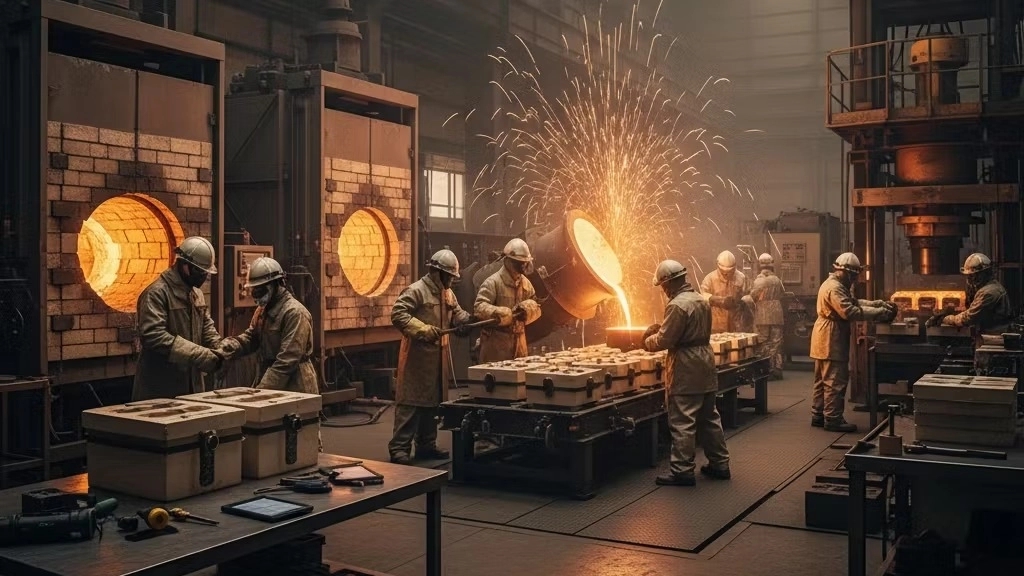
Steel and smelting factories are exposed to heat, temperature shocks, chemical corrosion and constant flow of molten metal. In the absence of proper fireproofing, the furnaces suffer from cracking, corrosion and eventually leakage of molten metal, which not only stops production, but also poses high safety risks.
Company along with Taban Haftab Steel, with the precise implementation of refracturing of industrial furnaces, molten crucibles and linings of preheated furnaces, reduces production stops, saves fuel costs and increases productivity in metal melting lines.
Refractory services of Haftab Taban Steel Co., Ltd
1. Industrial fireproofing engineering design
Before the implementation of each project, the technical team of Taban Haftab steel, during expert meetings, examines the working temperature, type of fuel and material of the parts and presents an engineering plan for fireproofing.
2. Complete fireproofing of furnaces and pans
This company has a lot of experience in performing all types of fireproofing, including bricklaying, pouring mass, gunning, and ceramic fiber. The implementation of fireproof principles increases the temperature stability and prevents the deformation of the equipment.
3. Supplying and installing high-quality fireproof materials
All refractory materials used are provided by domestic and foreign reputable brands. Taban Haftab Company controls and tests its products based on ASTM, EN ISO, DIN and API standards to ensure maximum durability in thermal environments.
4. Fire inspection and repair services
Periodic inspection and refractory repair of steelmaking equipment is part of the continuous services of this company. With this action, the life of the furnace equipment is increased and production line stops are minimized.
Types of industrial refractories in steel and smelting factories
1. Brick Lining
In this method, aluminum, magnesite, chamotte and silica bricks are used for the inner wall of the furnaces. This type of fireproofing is suitable for high temperatures and environments with high mechanical pressure.
2. Castable Refractory
The pouring masses are poured into the mold as a slurry and after drying, they create a unified surface resistant to thermal shock. This method has excellent performance for refractory melting pots and rotary furnaces.
3. Refractory with ceramic fiber
Refractory fiber is used to cover parts that need thermal insulation and light weight. This type of refractories reduces energy waste and increases thermal efficiency.
4. Spray fireproofing or gunning
In this method, using special spraying devices, fireproof materials are sprayed on the surfaces in dry or wet form. This type of fireproofing is used for sectional repair and worn areas.
Materials used in industrial fireproofing
- Shamoti brick: resistant at medium temperature, suitable for low heat furnaces.
- Alumina brick: has a high percentage of alumina and high resistance at high temperatures.
- Magnesite brick: resistant to alkaline environments and direct heat.
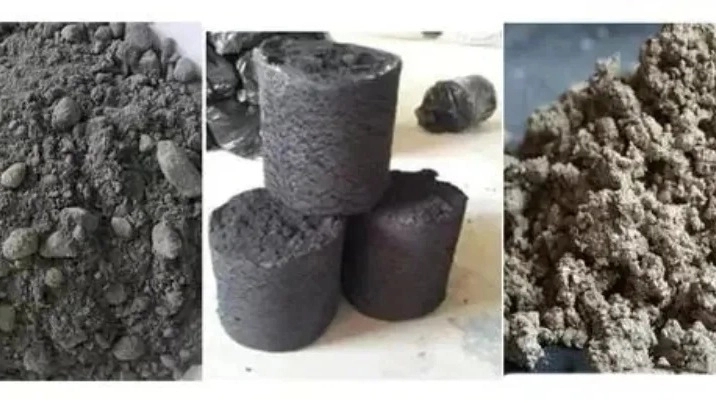
- Cast refractory mass: a combination of alumina, magnesite and stable additives.
- Ceramic fiber: to reduce heat transfer and lighten thermal insulation.
Superior features of fireproofing along with Taban Haftab steel
Accurate execution with the standard of the day
The whole fireproofing process in Hatab Taban Steel Co., Ltd. is carried out in accordance with the latest global standards and using thermal design software.
Use of safe and updated equipment
The executive team of this company uses modern tools such as gunning device, resistant molds and temperature control sensors to closely monitor the fireproofing process.
Specialized and trained forces
All operators and executive engineers have completed specialized training in industrial fireproofing and have experience in implementing large projects in steel factories in Isfahan, Khuzestan and Yazd.
Stages of implementation of industrial fireproofing
- Checking the current condition of the equipment and determining the damaged points
- Designing a thermal map and choosing suitable refractory materials
- Preparing surfaces and installing molds or refractory bricks
- Drying the refractory layer with precise thermal control
- Function testing and thermal leakage control after implementation
The correct implementation of each step of this process guarantees the success of the project and increases the life of the equipment several times.
Direct connection of fireproofing with economic efficiency
Implementing industrial fireproofing for steel and smelting factories not only increases the safety and durability of equipment, but also has a direct effect on production costs.
With basic fireproofing, you can reduce fuel consumption, prevent heat loss, and increase the useful life of furnaces. Taban Haftab Steel Company has been able to reduce at least 20% of the energy consumption of operating factories with the precise engineering of the fireproofing process.
Quality control standards in refractory
Experts with Taban Haftab Steel measure parameters such as compressive strength, water absorption percentage, thermal expansion, and the amount of open porosity during fireproofing, in addition to monitoring the stages of fireproof construction and arrangement.
The products of this company are subjected to field and thermal tests before being used in steel production lines to confirm their performance and durability in the real environment.
Refractory application in different departments of steel factory
- Blast Furnace – Refractory of the inner wall to resist molten metal and high temperatures.
- Ladle – Use of cast mass and magnesite brick.
- Oxygen converters (BOF) – Use of chrome magnesite brick to resist slag corrosion.
- Ladle furnace (LF) Furnace) – use of ceramic fibers to reduce heat loss.
- Rotary and preheated furnaces – Refractory execution with coarse-grained castable mass and aluminum bricks.
Refractory periodical maintenance and repair program
Foulad Taban Haftab's maintenance unit prevents premature wear of equipment by providing periodic programs for fireproof inspection. These programs include periodic visits to furnaces, local gunning and replacement of worn layers.
Development and innovation in Isfahan industrial refractories
As the center of Iran's steel industry, Isfahan is the platform for the growth of new technologies in the refractory industry. Mahram Follad Taban Haftab is developing nano-based refractory materials in cooperation with research centers, increasing thermal resistance and functional life of parts.
Export of fireproofing equipment and services
In recent years, along with Taban Haftab Steel, in addition to supplying domestic industries, it has also exported industrial fireproofing equipment and services for steel and smelting factories to Iraq, Oman and Armenia.
This export was the result of high quality, European standard of products and strict implementation of industrial projects.
conclusion
Professional implementation of industrial fireproofing for steel and smelting factories plays a key role in the durability of equipment, reduction of thermal damage, safety of production lines and economic efficiency.
Company with Taban Haftab Steel Company with its brilliant history in designing, supplying, implementing and renovating industrial refractories, has been able to win the trust of steel and smelting factories all over the country. This company aims to improve the standards of industrial refractories and develop the Iranian steel industry.