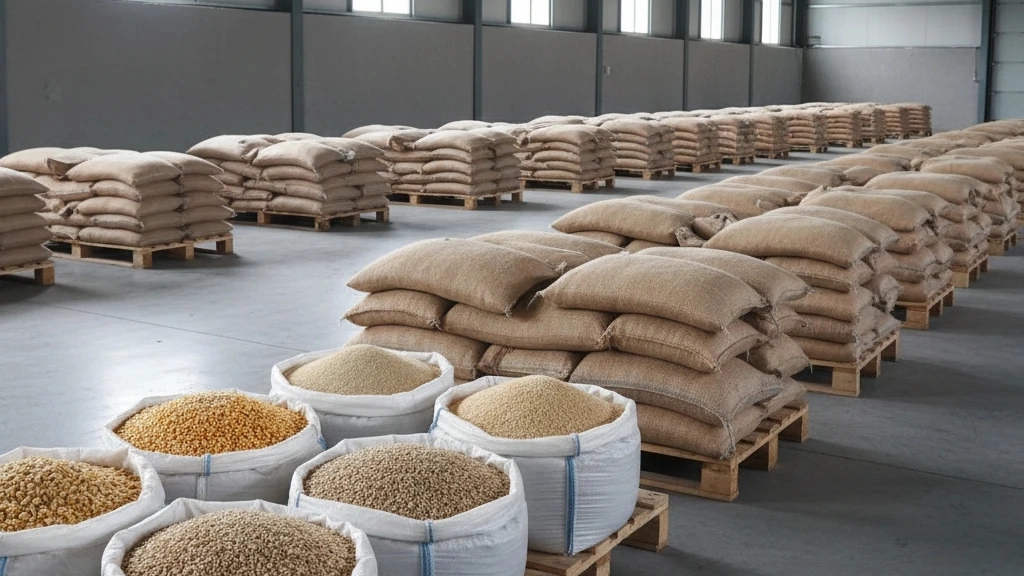



Livestock inputs are one of the basic foundations of providing feed for livestock, poultry and aquatic animals and play a very important role in maintaining the health and productivity of livestock and poultry units. Qom province, as one of the hubs of livestock breeding in the country, has paid special attention to the supply and purchase of high-quality and affordable livestock inputs in recent years. The purchase price of livestock inputs in Qom is affected by various factors such as market conditions, exchange rate, amount of imports, type of input and its quality. In this article from the "Qom Nihadeh" site, a comprehensive and specialized review of the factors affecting the price of livestock inputs, its types, ways of buying cheap and methods of reducing the cost of animal feeding is discussed so that ranchers and agricultural activists can make the best decision to buy high-quality and economic inputs in Qom.
The reason for the importance of livestock inputs in the livestock industry of Qom
Qom is geographically located in a position where its water and soil are suitable for the construction of livestock units. With population growth and increased demand for protein products, the importance of livestock inputs has become more apparent. Livestock inputs include basic food such as soybean meal, corn, barley, bran and vitamin supplements, which play a vital role in livestock growth and increasing milk and meat production. Any change in the purchase price of livestock inputs in Qom can directly affect the final price of livestock products.
All kinds of widely used livestock inputs in Qom
In checking the purchase price of livestock inputs in Qom, one should first know the types of inputs. The most common inputs used in this area are:
- Corn: The main source of energy for livestock and poultry, imported from South America and Ukraine.
- Soybean meal: Provides protein, affecting the rapid growth of livestock and improving the quality of milk.
- Oats: A domestic input with a reasonable price, a partial substitute for corn in the diet.
- Wheat bran: Input with medium nutritional value, can be used in Cattle and sheep feed.
- Calcium carbonate and salt: supplying minerals needed by livestock.
- Vitamin and mineral supplements: increasing safety and production efficiency.
Factors affecting the purchase price of livestock inputs in Qom
The price of livestock inputs in Qom is influenced by a set of internal and external factors.
The most important factors are:
- Exchange rate fluctuations: Because most of the inputs are imported, exchange rate changes quickly affect their prices.
- Transportation cost: Distance from the port or supply centers increases the total cost.
- Production quality and origin: Domestic inputs are usually cheaper, but may differ in quality from imported ones.
- Supply and demand: During periods when there is high demand for animal feed, prices increase.
- Weather conditions and seasons: During domestic production seasons, inputs such as barley and bran become cheaper.
- Government policies and input subsidies: Government decisions on preferential currency or import liberalization have a direct impact on prices.
Features of Qom Nihad service:
- Guarantee the quality and originality of the inputs
- Detailed information on the daily price of livestock inputs in Qom
- Timely delivery to the door of the livestock unit or warehouse
- Providing advice on animal nutrition to choose the right combination of feed
- The possibility of wholesale and retail purchases according to the user's needs
By choosing Qom input, Qom livestock farmers can enjoy price stability and confidence in input quality, while current feeding costs are reduced by 15%.
Daily analysis and trend of change in purchase price of livestock inputs in Qom
In recent months, the price trend of livestock inputs in Qom has been accompanied by fluctuations. The increase in the exchange rate and the delay in imports have caused a slight increase in the price of corn and soybean meal, while domestic inputs such as barley and wheat bran have been relatively stable. According to the report of the experts of Qom Nihadeh, the average price growth of imported inputs in the last three months was about 8 to 12 percent. However, intelligent purchase management and the use of a combination of domestic and foreign inputs can keep the final cost of animal feed at a reasonable level.
Guide to economic purchase of livestock inputs in Qom
In order to buy animal feed at a reasonable price, it is necessary to observe several points:
- Investigating the market situation and daily rates of inputs from reliable sources such as Qom Nihadeh
- Purchasing volume inputs when the exchange rate decreases
- Using a combination of domestic and imported inputs to maintain quality and economy
- Paying attention to the production date and storage conditions of the inputs
- Signing a direct contract with a reliable supplier to avoid intermediary costs
Professional livestock farmers in Qom usually have a seasonal plan to buy inputs so that they are not affected by sudden fluctuations in the market. The Qom Nihad site allows its users to view the inventory and the latest prices in real time by placing an online order.
The effect of livestock inputs on the quality of livestock products
The quality of livestock inputs has a direct effect on the growth of livestock and the nutritional value of meat and milk produced. The use of standard inputs such as soybean meal and corn with high protein percentage increases growth and improves feed efficiency. On the other hand, buying low-quality inputs at a low price may reduce the cost in the short term, but in the long term, it will harm the health of the livestock and reduce the productivity of production. Qom Nihadeh keeps the standard of nutrition at an optimal level by constantly monitoring the quality of imported products and sampling domestic inputs.
Solutions to reduce the cost of livestock inputs in livestock units of Qom
In order to control the cost and maintain profitability in animal husbandry, it is necessary to pay attention to economic feeding strategies. The following are effective solutions:
- Optimizing the combination of animal feed with nutrition software
- Using alternative inputs with similar nutritional value
- Buying bulk inputs from reputable suppliers such as Qom Nihadeh
- Proper storage and preventing waste in the warehouse
- Planning to buy before the expensive season or lack of supply
According to the analysis of Qom Nihadeh experts, livestock units that have used these methods have been able to reduce the cost of their animal feed by about 20%.
The role of Qom in the stability of food security in the province
Development of livestock industry requires stable supply of livestock inputs. By creating a regular and transparent distribution network in Qom province, Qom Nihadeh has helped to stabilize the animal feed market and support domestic producers. This action has not only reduced dependence on middlemen, but has also had a positive effect on improving food security in the province.
Summary
The purchase price of livestock inputs in Qom changes under the influence of economic conditions, government policies and the amount of supply and demand. However, with the help of specialized platforms such as Qom-Inputs, farmers can get high-quality inputs at real prices without intermediaries. Choosing the right input, checking the daily rate and long-term planning is the key to success in cost management and increasing the profitability of Qom livestock units. With the approach of building trust and transparency in the price, Qom Nihadeh has created a new path for the smart purchase of livestock inputs in the country and plays an important role in the growth of the province's livestock industries.