


In recent years, the use of nano materials for wall and ceiling insulation has become a major development in the construction industry. These materials with a very fine molecular structure have the ability to prevent the penetration of moisture, heat and cold. Compared to traditional insulators such as glass wool or isogam, nanomaterials have more advanced performance, longer life and simpler implementation. In this article, we are going to examine the types of nano materials, their technical characteristics, their implementation methods and the role of the Nanobuilding collection in the supply and professional implementation of this type of insulation.
The importance of insulation in the building
The proper insulation of the wall and ceiling is not only important for temperature comfort and preventing energy loss, but also economically, it plays a key role in reducing fuel consumption and heating and cooling costs. In buildings where nano materials are used, heat transfer is reduced by 70% and energy consumption is significantly reduced. This issue has caused attention to nano materials in modern construction projects to increase day by day.
Introduction of nano materials and their main features
Nano materials are a new generation of construction products whose structure includes very small nanometer particles. These particles make the final material have high impermeability, resistance to heat and moisture, and self-cleaning. Nano materials are produced in different models such as nano paint, nano mortar, nano liquid insulation and nano polymer coatings.
Physical and chemical properties of nano materials
- High resistance to moisture and steam: Nano coatings prevent water absorption and prevent the wall from getting wet.
- Extreme flexibility: They are resistant to surface cracks and maintain their durability even in expansion and contraction conditions.
- Long durability: Resistance to UV rays, temperature changes and acid rain. are impressive.
- Intelligent penetration: During implementation, nano particles penetrate deep into the surface and create a permanent and sticky layer.
Application of nano materials in wall insulation
Walls are more exposed to temperature and humidity changes than any other part. The use of nano materials in wall insulation makes the outer shell of the building much more stable against weather conditions.
Nano insulation for the outer wall
In the outer wall, the goal is to prevent the penetration of rain, direct sunlight and extreme cold. Nano materials are usually applied as liquid coatings on building facades. These materials form a transparent protective layer without the need to destroy the surface, which will prevent the penetration of water and dust.
Nano insulation for interior wall
In the interior walls, moisture caused by steam and ambient temperature may cause fungus and damp. The use of nano paints and special wall mortars prevents these problems from occurring. While maintaining beauty, these products also have antibacterial and antifungal properties.
Roof insulation with nano materials
Roofs are exposed to the most sunlight and rain. For this reason, the selected type of insulation must have high resistance to heat and humidity. In this context, nano materials are considered one of the best options.
Nano thermal insulation for the roof
Concrete and gable roofs are usually the main source of heat transfer inside the building. By reflecting the sun's rays, nano thermal insulators reduce the temperature of the surface and prevent the heating of the inside environment. This feature is very effective especially in hot and dry areas of Iran.
Nano waterproofing for the roof
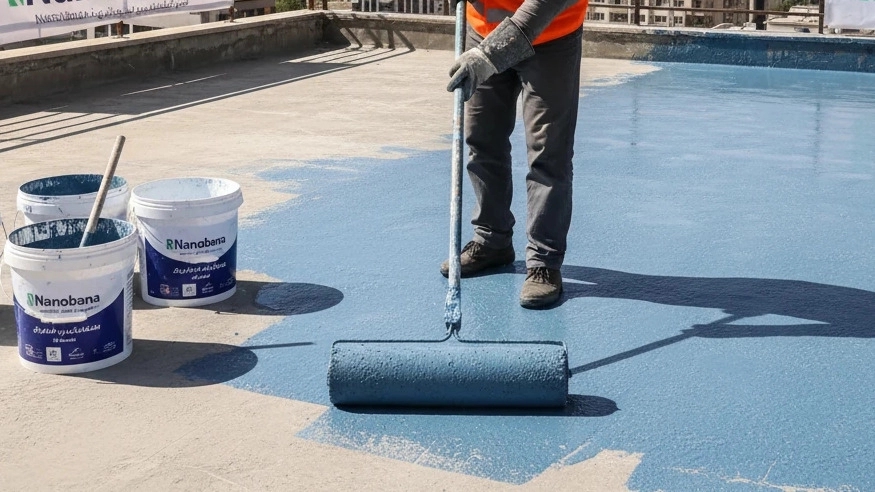
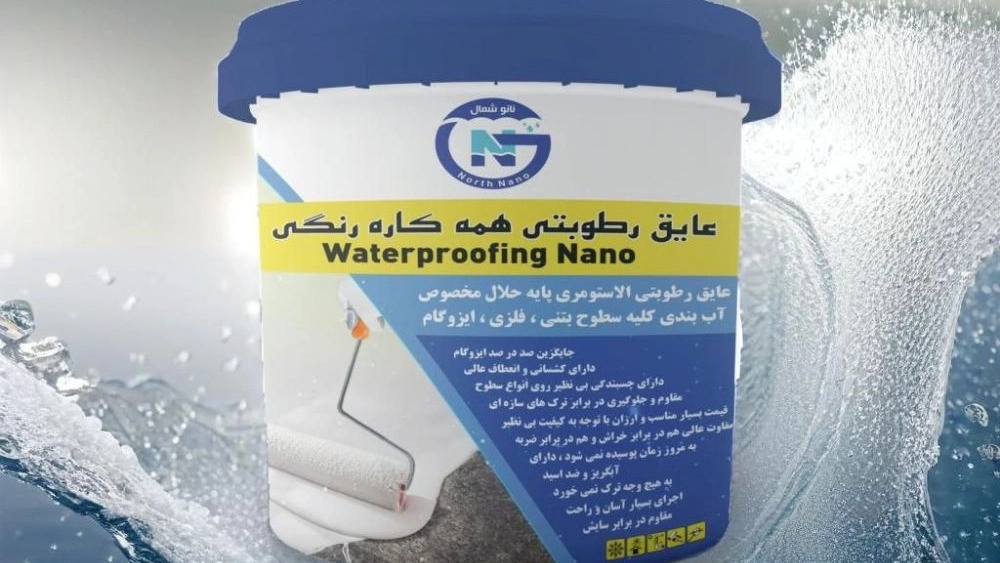
One of the most used nano materials is in roof insulation. Unlike Izogam, which requires heating and bonding, nano liquid insulation is applied directly to the surface. After drying, it forms a flexible and waterproof layer without any seams or cracks. The useful life of this type of insulation is usually more than 10 years.
Nano insulation implementation steps
The implementation of nano insulation does not require complex equipment, but accuracy in its steps is very important. The specialists of Nanobana site perform all the steps with international standard methods.
- Preparation of the surface: Complete cleaning of dust and grease.
- Crack repair: If there are seams or cracks, repair with glue or nano mortar.
- Application of nano insulation: Use a spray or roller for uniform coverage.
- Drying and sealing test: After 24 hours, the surface is completely waterproof. It comes out.
Advantages of using nano materials in building
- Energy saving: Reduce gas and electricity consumption up to 30%.
- High durability: It is resistant to different weather conditions.
- Quick and easy installation: No need for fire or complex equipment.
- Environmental protection: No toxic and recyclable materials.
- Can be used on all types of surfaces: concrete, stone, Brick, metal and even wood.
Introducing Nanobana Company, a reference for purchasing and implementing nano materials
Nanobana is one of the leading collections in the field of supply and implementation of nano materials in Iran. With years of experience in the field of nano technology, this company offers a variety of products for wall, ceiling, pool and facade insulation. All Nanobana products have quality guarantee, UV resistance and national standard certificate.
Features of nanobana services
- Expert advice to choose the best nano insulation
- Direct sales without intermediaries
- Professional and trained implementation team
- Written guarantee of insulation waterproofness
- After sales service and technical support
Using the world's latest technology, nanobuilding helps you protect your building from moisture and energy loss and enjoy peace and comfort in the interior for years.
Economic benefits of using nano materials
In the studies conducted, the implementation of nano materials in the ceiling and wall reduces energy costs by 20-40% throughout the year. On the other hand, due to the long life of these materials, there is no need for repair and renovation in the short term. This issue also causes a quick return of capital in commercial and industrial projects.
Investigating the future of nanotechnology in the construction industry
Nano technology is progressing every day. In the near future, we will see a smarter combination of these materials with heat-resistant sensors and self-healing materials. Nano materials in addition to insulation, can improve indoor air quality, regulate sunlight and even be effective in energy storage.
Nanobana, focusing on research and development, works in the direction of producing a new generation of nano products so that Iranian customers can benefit from the highest level of global technology.
conclusion
Due to many advantages, nano materials are the best choice for wall and ceiling insulation in residential, office and industrial buildings. These materials not only have superior performance against heat and humidity, but are also very economical and environmentally friendly. If you are looking for quality, durability and comfort of residence, we suggest using nano materials with the brand and specialized implementation of Nanobuilding.
Nanobana is ready to cooperate with builders, contractors and home consumers across the country by supplying the best products and providing free advice to build a more durable, beautiful and sustainable future.