In the complex and dynamic ecosystem of modern industry, where precision, stability and safety are paramount, the intelligent management of electrical energy plays a vital role. In the center of this management, Cellular standing electrical panel is located as the backbone of power distribution and process control. These engineered structures are much more than a simple metal box; They are the beating heart of factories, data centers and large industrial projects. Considering the strategic importance of this equipment, the process of design and assembly of electrical panels requires deep knowledge, extensive experience and irreplaceable expertise.
This is where the role of an electrical switchboard expert becomes prominent, especially in an important industrial hub like Pakdasht. Choosing a non-specialist team for such a sensitive project can lead to system inefficiency, increase hidden costs and most importantly, compromise the safety of equipment and manpower. In this comprehensive article, we at the specialized workshop Paya Tablo, as a specialist in the design and assembly of cellular standing electrical panels in Pakdasht, intend to fully explain the complexities, advantages and processes of making these key panels and show why expertise is the key to the success of your project.
What is a cellular standing electrical panel (Rital design) and why is it different?
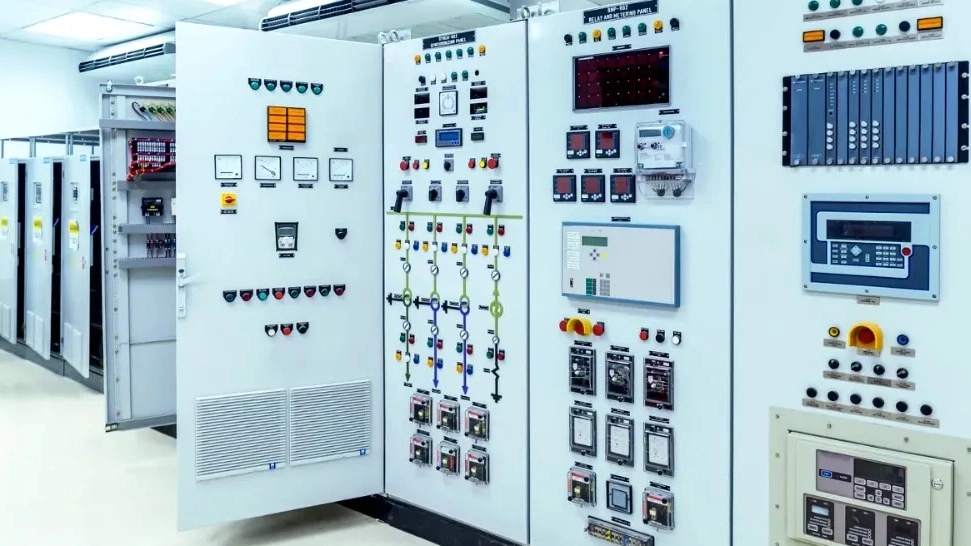
To understand the importance of expertise in this field, we must first know what a standing cellular switchboard is exactly. These boards, which are often known as "Rital design", have a modular structure. Unlike integrated panels, these systems consist of several separate sections or "cells", each of which can take on a specific task (such as input cell, distribution cell, control cell). These cells are placed next to each other in a standard frame and form an integrated set.
Key features of cellular standing switchboard
- Modularity and flexibility: The most important advantage of these panels is the ability to develop and change in the future. If you need to add a new feeder or control section in the future, it is easy to add a new cell to the set without the need to change the entire electrical panel.
- Easy access and repairs: The separation of spaces into separate cells makes the maintenance process much simpler and safer. It is possible to work on one cell while other parts of the panel are working.
- Optimal thermal management: The larger volume and engineered design of these panels allows for better air circulation and the installation of ventilation systems, which is critical for keeping the power equipment cool.
- Higher safety: Physical isolation of different parts, the risk of fault propagation (such as arc flash) from
According to these features, it is clear that designing and assembling an electrical panel of this type is not a simple task and requires a real electrical panel specialist.
Why choosing a local expert in Pakdasht is a strategic advantage?
Pakdasht and its surrounding industrial towns such as Abbasabad, Khawarzmi and Khatunabad are the beating heart of industry near the capital. Operating in this area requires a deep understanding of the needs of the industries located there. Choosing a expert in the design and assembly of a standing cellular switchboard in Pakdasht, such as Paya Tablo, brings significant competitive advantages to your project:
- Quick access and immediate support: Geographical proximity means a faster visit to the project site, holding more efficient face-to-face meetings and providing support and maintenance services in the shortest possible time.
- Understanding the needs of regional industries: A local expert is fully familiar with the challenges and requirements of industries active in Pakdasht, from chemical to metal and food industries, and can provide more optimal solutions.
- Reduce logistics costs: Transportation of a large and heavy standing cellular electrical panel is costly and sensitive. Carrying out the project by an expert in Pakdasht minimizes these costs and risks associated with transportation.
Engineering process in electrical panel design and assembly: a look at the stable panel approach
Transforming the needs of an industrial project into an efficient and safe standing cellular switchboard is the result of a precise engineering process. At Paya Tablo, we have divided this process into well-defined and standardized steps to ensure the highest quality.
First phase: Engineering & Design
This phase is the foundation of the whole project. Any mistake at this stage will impose heavy costs in the next phases.
1. Requirements analysis and expert advice
A true electrician starts by listening. We hold detailed meetings with the client's technical team to carefully analyze the one-line diagrams, load list, control and automation requirements, and the environmental conditions of the installation site. This step helps us to get a 360-degree view of the project and suggest the best solution for designing and assembling the electrical panel.
2. Electrical design and preparation of detailed drawings
Using industry standard software such as EPLAN, our engineering team prepares detailed electrical drawings. These drawings include power circuits, command circuits, parts placement (Layout), parts list (BOM) and terminals. Accurate calculations related to voltage drop, short circuit current, and sizing of busbars are done at this stage to ensure the safe operation of the Cellular Standing Panel.
3. Mechanical design and physical structure
Body design and physical structure of the panel is as important as its electrical design. At this stage, the dimensions of the cells, type of sheet, degree of protection (IP), ventilation system, color and structure of the frame are determined based on global standards and project requirements. An electrical panel expert in Pakdasht should be able to provide a design that has both the necessary mechanical strength and optimal thermal management.
Second phase: Professional assembly (Assembly & Wiring)
This stage is the art of turning engineering plans into a physical reality, and the expertise of the executive team plays the first role in it.
1. Construction of body and skeleton
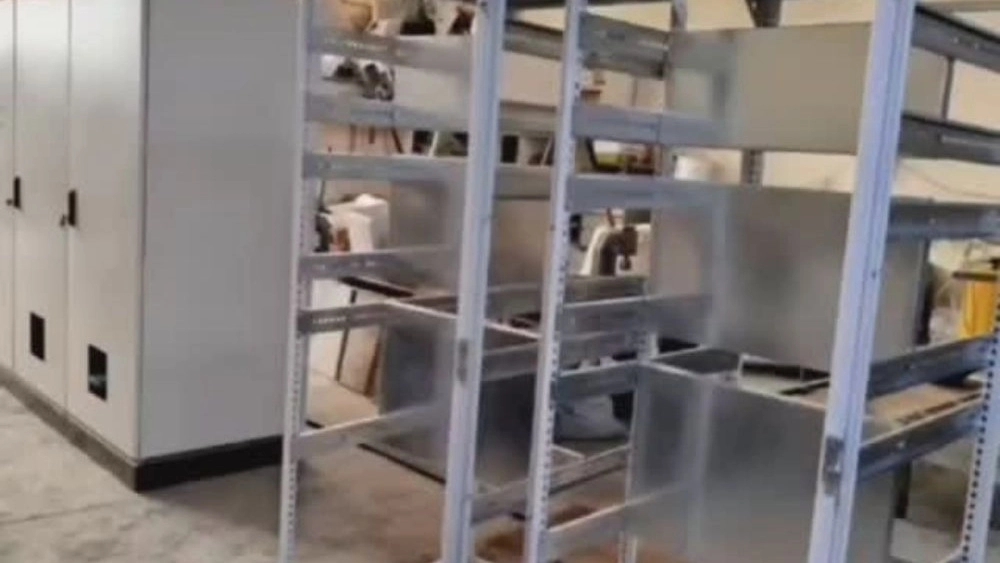
The first practical step in the electrical panel assembly process is the construction of the skeleton and body of the cells using standard metal sheets and with the precise implementation of cutting, bending and welding processes. After that, the process of chemical washing and electrostatic painting is done in a furnace so that the body of the panel is resistant to corrosion and harsh environmental conditions.
2. Busbar Installation
Busbars are the highways of current transmission in a Cellular Standing Switchboard. This step requires extreme precision in cutting, bending and punching copper busbars. Accurate calculations of cross section and use of standard connections with appropriate torque are necessary to avoid creating hot spots.
3. Installation of equipment and wiring (Wiring)
At this stage, all the equipment including main switches, fuses, contactors, PLCs and terminals are installed on the panel trays based on the placement map. Then, the wiring process is done using standard wires and cables and following aesthetic and technical principles. Accurate numbering of wires and use of proper ducting not only gives a professional appearance to the electrical panel, but also makes it very easy to diagnose and maintain in the future. This order and precision is the sign of the work of a electrical panel expert.
The third phase: quality control and final testing (QC & Testing)
No product leaves the Paya Tablo workshop unless it passes strict quality control filters. These tests ensure that the delivered Cellular Standing Electrical Panel exactly meets the client's standards and requirements. Routine tests include connection continuity test, insulation resistance test, and functional tests for all command and control circuits.
Commitment to standards: the signature of a true professional
The main difference between an ordinary assembler and a panelboard design and assembly specialist is the commitment to standards, especially the international standard IEC 61439. This standard covers all aspects of a low voltage switchboard. Adhering to this standard, which is an inviolable principle in Paya Tablo, means guaranteeing the quality, safety and reliability of the final product.
Conclusion: Expertise, an investment in the future of your industry
The design and assembly of a cellular standing switchboard is a complex and multifaceted process, the success of which directly affects the productivity, safety and sustainability of your industrial complex. Entrusting this vital task to an expert team, especially in a competitive industrial area like Pakdasht, is a smart decision and a long-term investment.
In the Paya Tablo workshop, we do not only make electrical panels; We create engineered, reliable and secure solutions. Our many years of experience as electrical switchboard specialist in Pakdasht has allowed us to understand the unique needs of the industries in this region and offer fully customized and optimized products. Our expertise at every step, from detailed design to flawless assembly, guarantees peace of mind and the success of your project. For more information about our approach and to see completed projects, visit our website.