Using natural gas as one of the main sources of energy in homes and industries requires compliance with the strictest safety standards. Meanwhile, the repair and installation of gas valve and regulator is very important as the beating heart of the gas piping system. Any malfunction of these parts can lead to gas leakage, explosion and irreparable damages. Therefore, entrusting the work to a professional and using standard equipment is the first condition of safety. Gazgoster Neshat group, with years of experience in the field of gas supply services, is ready to guarantee security and comfort for your building by providing accurate information and professional services. In this article, we will examine the technical details, troubleshooting methods, and standard procedures for installing and repairing these vital parts.
What is a gas regulator and why does it play a vital role?
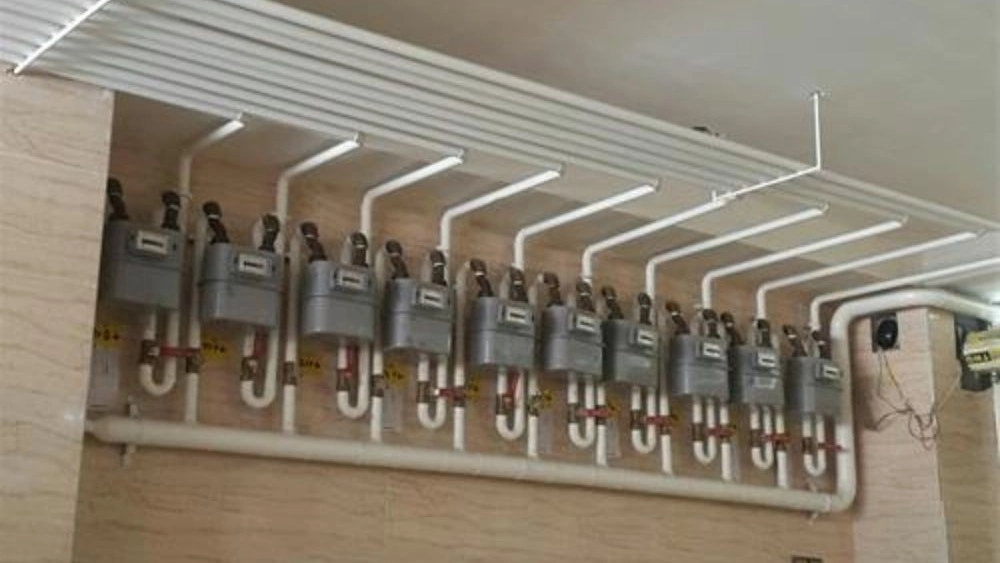
Before we get into the discussion of regulator repairs, we need to know what exactly this part does. City gas enters the main piping at a much higher pressure than what your appliances (such as a stove or heater) require. The main task of the gas regulator is to reduce this input pressure and set it to a stable and safe value for the consumer.
If the regulator is missing or broken, high gas pressure can damage gas appliance valves and cause dangerous flaming or burning. The correct regulator installation ensures that the gas flow reaches the burners uniformly even during fluctuations in the mains pressure. Experts of Gazgostar Neshat always recommend that the choice of the type of regulator should be exactly proportional to the amount of consumption (cubic meters per hour) and the pressure of the regional network.
Signs of failure and need for regulator repairs
Timely diagnosis of regulator failure can prevent accidents. Although regulator repair is a completely specialized work and should not be done by ordinary people, knowing the signs of failure is essential for every gas customer. Some of the most important signs are:
- Smell the smell of gas: If you smell gas near the regulator (usually next to the gas meter), the first possibility is a leak from the diaphragm or the body of the regulator.
- Flame color change: The flame of gas-burning appliances should burn blue. If the flames are long, orange, and full of smoke, the regulator is probably not adjusting the pressure properly and needs to be adjusted or repaired. Abnormal noises: Hearing a whistling sound or a loud hiss from the regulator indicates a malfunction in the gas flow or a failure of the internal spring. It causes component failure.
If you see any of these cases, immediately contact the experts of Gazgoster Neshat to check and carry out repairs and installation of gas valves and regulators.
Standard steps for gas regulator installation
The regulator installation process should be done according to the regulations of the National Gas Company and the topics of the National Building Regulations. These steps are as follows:
Choose the right place
The regulator should be installed outdoors in a well-ventilated area. It is prohibited to install it in closed environments unless the vent pipe is directed to the open space.
Alignment and closing connections
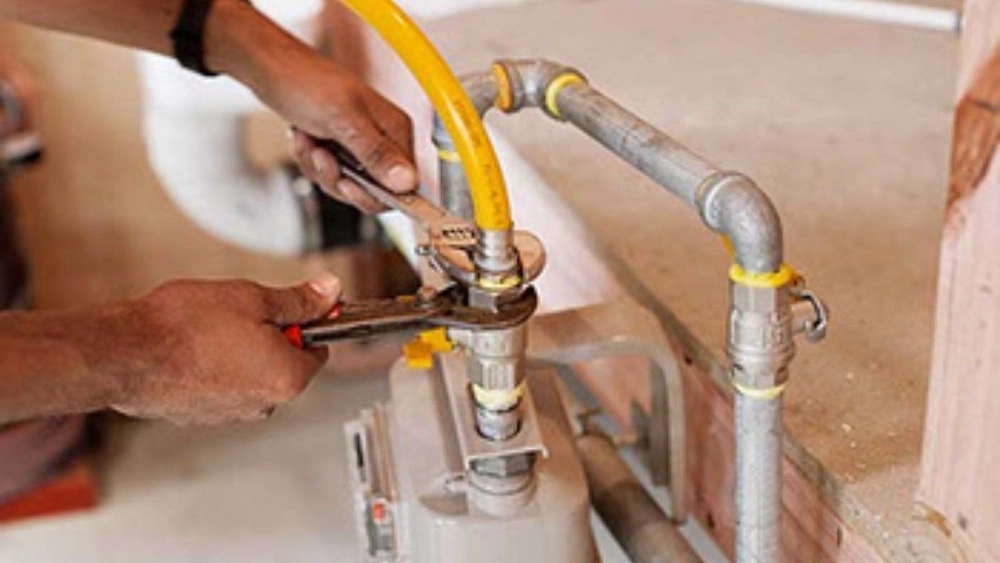
The regulator must be installed completely level. The pressure from the pipes should not weigh on the body of the regulator. It is mandatory to use teflon tape for gas and standard sealing adhesives to prevent leakage in the threads.
Ventilation and pressure test
After installing the regulator, the technician must evacuate the air inside the pipes and check all connections for leaks using a manometer and soapy water. The technical team of Gazgoster Neshat conducts pressure testing with double precision in all its projects to ensure the absence of even the smallest leakage.
Everything about the gas valve and its types
Next to the regulator, the gas valve is another key safety component. Gas valves are responsible for connecting and disconnecting the gas flow at different points of the pipeline. These valves are usually divided into two general categories:
- Ball valves: The most common type for domestic use, which turn off or connect the flow by turning the handle 90 degrees.
- Ball valves and industrial: which are used for larger sizes and high pressures.
The quality of the brass alloy used in the body of the valve and the material of the inner hub determines its life and safety. The use of non-standard valves, which after some time suffer from stiffness of the handle or leakage from the stem, is one of the common problems in buildings. At Gazgoster Neshat, we only use valves with the standard mark and approval of the gas company for gas valve installation.
The principles of gas valve repairs and fixing leaks
Gas valve repairs usually come up when the valve is leaking or its handle is difficult to move. Contrary to popular belief, simple lubrication is not always the solution and sometimes it is necessary to replace internal parts or the entire valve.
Fixing the tightness of the gas valve
The tightening of the valve handle is usually due to the drying of the special grease inside it or clogging. In the process of gas valve repairs, the technician cleans and re-greases the gas valve by opening the nut and cap. Normal edible or industrial oils should never be used to lubricate the gas valve because it will damage the rubber gaskets.
Fixing the leak from the valve stem
If you notice bubbling under the valve handle by soap foam test, it means that the O-rings or sealing washers are worn out. In this case, repairs and installation of the gas valve and regulator must be done carefully. Sometimes the problem is solved by tightening the neck nut, but in most cases it is necessary to replace the gaskets or completely replace the valve.
Golden tips in installing a gas valve
In order for your plumbing system to work without problems for years, it is necessary to observe the following points when installing a gas valve:
- Flow direction: There is an arrow on the body of most valves that shows the direction of gas flow. Installing the valve upside down can impair its performance.
- Easy access: The gas valve should be installed in a place that is easily accessible in case of emergency. Hiding the gas valve behind fixed cabinets or furnished gas stoves is against safety regulations.
- Standard height: The height of the valve installation from the finished floor should be according to the standard in order to protect it from impact and be easy to access.
- Distance from heat sources: The gas valve should not be installed directly above the gas stove flame or too close to the heating furnace, because high heat will damage the plastic gaskets inside the valve.
The technicians of Gazgoster Neshat, with complete knowledge of these details, install the gas valve in such a way that both the appearance of the work is maintained and safety is at the highest level.
The difference between domestic and industrial regulator repairs
The working system of home regulators is different from industrial models. Home regulators usually have capacities of 6 to 10 cubic meters, while industrial models have much higher capacities and have more complex internal mechanisms. Industrial regulator repairs require accurate calibration tools
In industrial models, setting the output pressure (P2) must be done with millibar precision. Any error in this setting can cause the burners of the furnace or boiler to shut down. Neshat Gas, using advanced equipment, offers specialized services repairs and installation of gas valves and regulators both for residential complexes and for factories and industrial centers.
Dangers of arbitrary valve and regulator repair
Unfortunately, many gas accidents and explosions are caused by the intervention of non-specialists in the gas system. Opening the regulator parts without technical knowledge can cause the pressure adjustment spring to go out of calibration. Also, using normal Teflon tape (white) instead of gas Teflon tape (thick and special) in gas valve installation is one of the common mistakes.
Natural gas is a volatile and flammable substance. The smallest spark in a gas leak environment can lead to disaster. Therefore, it is strongly recommended to trust only reliable companies such as Gazgoster Neshat for any gas valve repairs or regulator checks. The cost you pay for professional services is actually an investment to save your life and property.
periodic service; The key to equipment longevity
Like any other mechanical system, gas valves and regulators also require periodic inspection. Dust, air humidity and temperature fluctuations can cause parts to wear out over time. Our suggestion is to inspect the gas system of your home or workplace at least once a year, preferably before the start of the cold season.
In these services, the Gazgostar Nishat expert examines the following:
- Smooth movement of all gas valve handles.
- Leak test of all connections and gas valve installation locations.
- Check the appearance and functional condition of the regulator.
- Check chimneys and air conditioning.
- Do regulator repairs if pressure drop is observed.
Why choose Gazgostar Neshat services?
In the utility services market, it is challenging to find a team that is both up-to-date technical knowledge and committed to ethical and safety principles. Gazgostar Neshat series has distinguished itself from its competitors with the following features:
- Expertise and experience: Using technicians with technical and professional degrees and high work experience in the field of gas valve and regulator repair and installation.
- Speed in dispatch: We know how alarming the smell of gas and heating system failure can be, so our team will be on site as soon as possible.
- Quality assurance: All Consumable parts, including valves and regulators, are procured from reputable brands, and the services provided have a guarantee of good performance.
- Fair price: Transparency in pricing and compliance with union tariffs is our principle.
- Free consultation: Before any action to regulator installation or changes in plumbing, you can benefit from our experts' telephone consultation.
Common problems after installing non-standard gas valve
If the gas valve installation is done by inexperienced people, you may encounter problems such as screwing the threads. When the thread of the pipe or valve is damaged, it becomes almost impossible to seal it, and it will be necessary to replace the pipe part, which imposes heavy costs. Also, excessive use of hemp and pipe paste instead of standard Teflon in gas fittings is an outdated practice that causes tiny leaks in the long run. The specialists of Gazgoster Neshat install the gas valve without damaging the threads and with 100% sealing, using the latest methods and precise tools.
Regulator repairs and its effect on energy consumption
You might be surprised to know that a regulator failure can increase your gas bill. If the regulator cannot reduce the pressure properly, more gas enters the burner and exits the chimney without complete combustion. This means wasted energy and increased costs. Performing regulator repairs on time and accurately setting the output pressure will make gas appliances work with maximum efficiency and optimize your gas consumption.
Summary
Safety is not a joke. The building's gas piping system, regulators and valves are the vital arteries of energy in our living areas, which must always be in perfect health. repairing and installing gas valve and regulator is a process that requires knowledge, experience and specialized tools. Never risk the safety of your family by entrusting the work to non-specialists for a small saving.
Gazgoster Neshat Group is proudly ready to provide all services related to gas valve installation, regulator repairs, leak detection, plumbing development and periodical services with the highest quality to you dear fellow citizens. Our goal is to create a warm and safe environment for you. If for any reason you feel that your building's gas system is not functioning normally, you can count on the expertise and commitment of the Gazgoster Neshat team at any hour of the day or night.