

Basic polymers such as polyethylene, polypropylene, ABS, PVC and polystyrene in their raw state have limitations that make them inefficient for direct use in various industries. Additives are added to base materials with the aim of modifying polymer behavior, increasing durability, improving processability, and creating specific properties. The correct choice of additive is one of the most important factors in producing a quality and sustainable product.
1. Types of polymer additives
1-1. Antioxidant substances
They are used to prevent thermal and oxidative degradation of polymers during the process or during the useful life of the product.
Examples: Phenolics, phosphites.
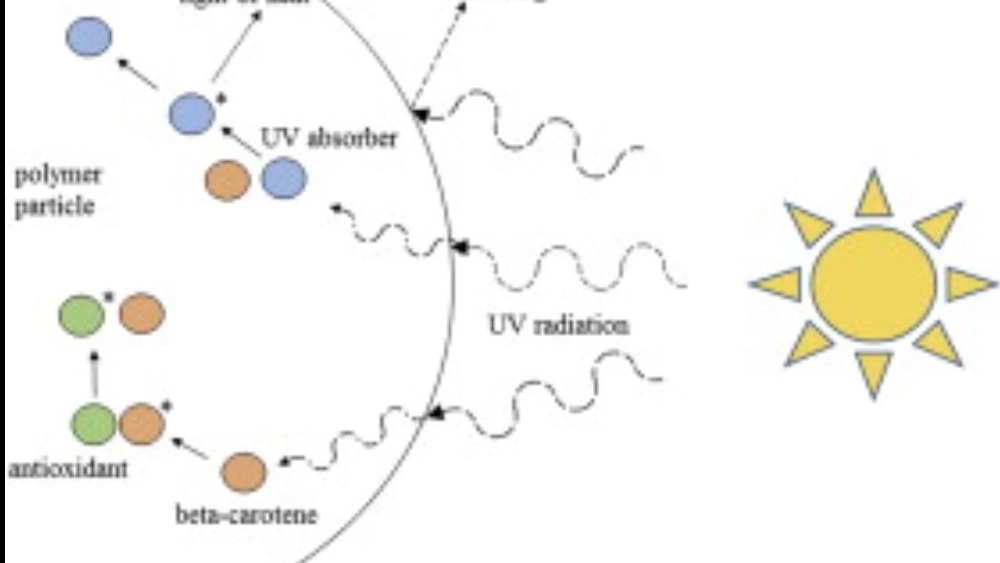
1-2. UV Stabilizers
To prevent degradation caused by sunlight.
Important types: HALS, UV Absorber.
1-3. Color masterbatches and pigments
Painting polymers using pigments and colored masterbatches.
Types: White, black, colored masterbatches.
1-4. Flame Retardants
Reducing the speed of ignition or preventing the flame from spreading.
Bases: Halogen, phosphorus, minerals such as aluminum hydroxide.
1-5. Plasticizers
Increasing flexibility and reducing hardness, especially in PVC.
Examples: DOP, DINP.
1-6. Processing Aids
Improving melt flow, reducing injection pressure and increasing gloss.
Example: Fluoropolymers.
1-7. Antistatics
Decreasing the accumulation of electric charge on the surface of polymer products.
Application in packaging, electronics, BOPP and polyethylene films.
1-8. Fillers and enhancers
Creating strength, reducing finished price, improving mechanical properties.
Examples: Talc, calcium carbonate, glass fibers.
1-9. Lubricants
Reduction of friction between polymer and metal or between polymer chains.
Types: internal and external lubricant.
2. The role and mechanism of action of additives
Additives change the properties of materials in the following ways:
- Neutralizing free radicals
- Creating a protective layer against UV
- Absorbing or reflecting heat
- Preventing chemical degradation
- Creating end reactions in the polymer
- Increasing crystallinity or controlling molecular structure
- Changing surface properties such as slip, adhesion or color
3. Industrial applications of polymer additives
Additives are used in all industries related to plastics, including:
- Food packaging (BOPP,PE,PET)
- Household appliances and auto parts (ABS,PP)
- Cables and wires (thermal stabilizer and flame retardant)
- PVC flooring and products
- Medical and health supplies
- Building and construction parts
- Agricultural films and sheets (UV - antioxidant)
4. Advantages and challenges of polymer additives
benefits
- Increasing product efficiency and durability
- Improving processability and production speed
- Creating exclusive features such as color, flame retardant, UV
- Reducing cost and consumption of expensive raw materials
Challenges
- Choosing the optimal consumption rate
- Compatibility with the base polymer
- Proper distribution in the polymer matrix
- Environmental and health issues in some halogen additives
Conclusion
Polymer additives play a fundamental role in the development of modern polymer products, and many of today's applications would not be possible without their use. Accurately knowing the type of polymer, process conditions and expected product characteristics is the key to choosing the right additive and producing a product with high performance and a suitable lifespan.