Bread has a special place as the main food item in Iranian tables. From the distant past until today, the smell of fresh bread has been a symbol of blessing and life. But with the advancement of technology and lifestyle changes, the form of bread production has also changed. Today, we are faced with two general categories: traditional bread and industrial bread. Knowing the difference between traditional bread and industrial bread not only helps us make a smarter choice, but also has a direct impact on our digestive and body health. In this article, we are going to carefully examine all aspects of these two types of bread and see why brands like Nan Bidek try to provide the best quality to the consumer.
What is traditional bread and what are its characteristics?
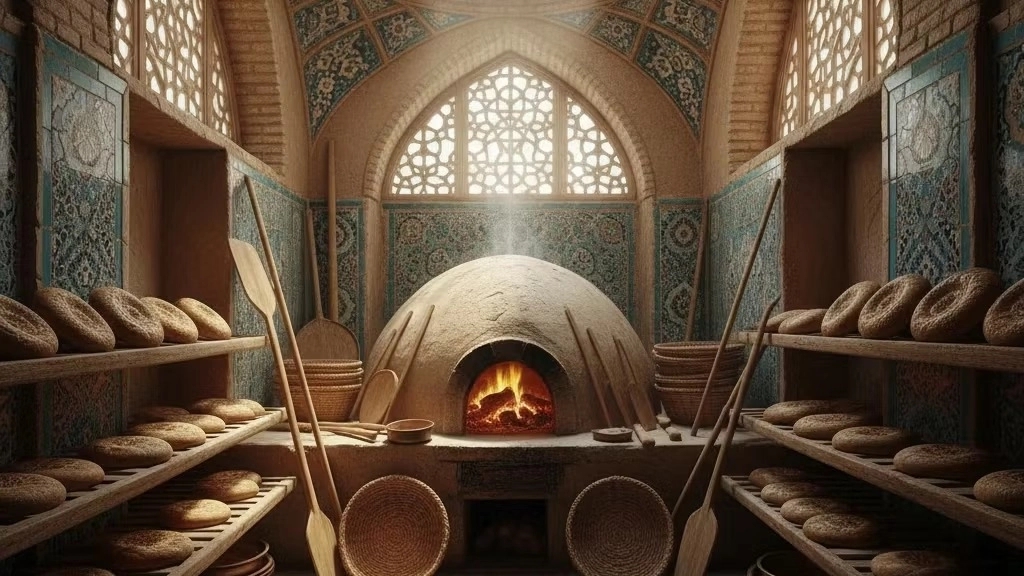
When it comes to traditional bread, all of our minds go to the local bakeries, hot ovens and Sangak, Berber, Lavash and Tufton breads. Traditional bread is bread whose production process mainly relies on the skill of the baker's hands and ovens with direct heat. In the production of traditional bread, the dough is usually spread by hand and its shaping is completely human.
One of the distinctive features of traditional bread is its nostalgic flavor. Many people believe that nothing beats the taste of fresh stone bread with sesame. But besides this pleasant taste, traditional bread also has challenges. Since direct heat of fire is usually used in traditional baking, there is a possibility of burning the surface of the bread and settling harmful substances caused by the incomplete combustion of fossil fuels on the bread. Also, the shelf life of traditional bread is usually low and if it is not consumed immediately, it becomes stale quickly.
However, the demand for traditional bread is still very high in Iran and constitutes a large part of people's daily consumption. But are these breads complete in terms of health and nutritional standards? This is where the difference between traditional bread and industrial bread comes up.
What is industrial bread and why has it become popular?
In front of traditional bread, there is industrial bread. Industrial bread is bread that is produced in large factories and workshops, using advanced machines and with less human intervention. The production process in industrial bread is completely controlled. From the stage of mixing flour and water to fermentation and baking, everything is done under the strict supervision of health standards.
The most important feature of industrial bread is its cooking method. Unlike traditional bread, indirect heat is used in industrial bread. This means that the flame is not in direct contact with the dough and the bread is cooked by hot air. This method allows the bread to be cooked and its surface does not burn. Also, due to the use of permitted improvers and the complete fermentation process, industrial bread has a spongy and uniform texture, and its shelf life is much longer than traditional bread. Using modern knowledge, the Nan Bidek collection tries to offer products that have both the positive characteristics of industrial bread and give customers a delicious taste.
A detailed examination of the difference between traditional bread and industrial bread
In order to make the right choice, we must check the difference between traditional bread and industrial bread in different dimensions. These differences include the production method, raw materials, health, waste and nutritional value.
1. Difference in cooking method
As mentioned, the main difference between traditional bread and industrial bread is in the type of heating. In the traditional method, direct heat can cause the formation of carcinogenic compounds in the burnt parts of the bread. But in the industrial method, indirect heat guarantees the health of the bread. Nan Bidek pays special attention to this point in its products so that the bread reaches the customer completely healthy and without burn marks.
2. The process of fermentation and rising of the dough
Unfortunately, in traditional breads, baking soda is sometimes used to speed up the process, which prevents the absorption of iron and calcium in the body and causes digestive problems. But in the production of industrial bread, it is necessary to use industrial yeasts and standard leavens. These yeasts give enough time for complete fermentation to the dough, which causes the release of useful wheat salts and the reduction of phytic acid (iron removal agent).
3. Hand hygiene and intervention
In traditional bakeries, the dough often comes into contact with the hands of the baker, and the bakery environment may not be completely isolated. On the other hand, industrial bread is produced and packaged in a closed environment by automatic machines, which minimizes the possibility of secondary contamination. If you are looking for bread that you can safely consume in terms of health, packaged and licensed products such as Nan Bidek products are an ideal option.
4. Durability and amount of waste
One of the big problems of bread in our country is the high volume of traditional bread waste. If traditional bread is left in the open air for a few hours, it becomes dry and unusable. But industrial bread remains soft and fresh for days because of the basic cooking and packaging. This issue is very economical for families. By buying from Nan Bidek, you practically reduce bread waste to zero.
Why is Bidek bread a good choice?
Among the multitude of bread producers, Nan Bidek has been able to offer a product that meets the needs of modern customers by combining experience and technology. You might ask, why should we choose Nan Bidek?
The first reason is the quality of raw materials. Nan Bidek uses high quality and enriched flour. The second reason is the strict observance of cooking standards. In the production process of the breads of this collection, the resting time of the dough is fully observed so that the bread is easy to digest and does not cause stomach upset. The third thing is the variety of products. It doesn't matter whether you are a fan of bulky breads or flat breads with industrial cooking method, Nan Bidek has a product for every taste.
Attention to the difference between traditional bread and industrial bread is clearly evident in the strategy of this brand. They have tried to preserve the aroma and taste of traditional bread, but produce it with healthy and industrial methods. This means that you eat bread that you like the taste of, but you are not worried about its health and hygiene.
Nutritional value: Is traditional or industrial bread better?
Many people mistakenly think that traditional bread is always healthier because it looks more "natural". But the scientific reality says something else. The nutritional value of bread depends on the amount of bran, the type of flour and the method of fermentation.
Industrial breads are usually made from wholemeal flour or flour enriched with vitamins and minerals. The long fermentation process in industrial bread keeps B vitamins in the bread. While in many traditional breads that are baked with baking soda and unleavened dough, the nutritional value drops drastically. Therefore, if you are looking to absorb vitamins and minerals, choosing a wholemeal industrial bread from a reputable brand such as Bidek Bread is a smarter choice.
Challenges of traditional bread in today's world
Understanding the difference between traditional bread and industrial bread shows us that today's world needs speed, quality and hygiene. Industrial packaged breads have solved these problems. You can get the bread you need with a specific production and expiration date, accurate nutritional value table and sealed packaging from supermarkets or Bidek bread dealers and don't worry about environmental pollution.
The effect of bread on digestive health
One of the most important points that should be addressed when examining the difference between traditional bread and industrial bread is its effect on the digestive system. Bread whose dough is not well fermented (which happens in some traditional bakeries), ferments in the stomach and causes bloating and indigestion. Also, if the phytate in wheat flour is not broken down, it prevents the absorption of calcium and zinc, which can lead to osteoporosis in the long run.
Producers of industrial bread are required to use biological yeasts that activate the phytase enzyme and destroy phytic acid. This means that industrial breads and products such as Bidek bread are not only easier to digest, but also help the body absorb nutrients. For those who have a sensitive stomach, consumption of standard industrial breads is strongly recommended.
Variety in industrial breads
Another aspect of the difference between traditional bread and industrial bread is the unique variety of industrial bread. In the traditional way we are limited to a few specific types of bread. But the bread industry has been able to produce breads with different flavors and healing properties by adding nutritious seeds (such as flax seeds, sunflower, oats), dried vegetables and spices.
You can find toast bread, baguette bread, hamburger bread, layered breads and diet breads in the category of industrial breads. Nan Bidek, understanding the needs of customers, has provided a diverse basket of products so that every person with any diet can find their right bread.
Economic efficiency and reduction of national waste
Perhaps, at first glance, the price of a package of industrial bread may seem higher than a piece of traditional bread. But if we examine the difference between traditional bread and industrial bread from the point of view of waste, the result changes. According to statistics, a significant percentage of traditional breads become dry and waste due to rapid staleness and low baking quality. This means that the money you paid for it will be thrown away.
In contrast, industrial bread can be consumed until the last piece. Standard packaging prevents the bread from drying out. Therefore, in the long term, buying high-quality industrial bread from brands such as Nan Bidek is not only good for your health, but it also prevents wasting the family budget and national resources (flour and wheat).
The future of the bread industry in Iran
Due to lifestyle changes and increasing people's awareness of health issues, the tendency towards industrial bread is increasing. The government also supports the development of industrial bread production units with the aim of reducing waste and improving the health of society. In the meantime, successful brands will be able to gain customer trust.
Nan Bidek is a pioneer in this field by focusing on transparency, quality and health. Knowing the difference between traditional bread and industrial bread gives the consumer the power to choose, and statistics show that smart consumers are more and more inclined towards industrial and packaged healthy bread.
conclusion
Ultimately, choosing between traditional and industrial bread is a personal choice, but knowing the difference between traditional bread and industrial bread helps us to make a decision with open eyes. Although traditional bread has a nostalgic aroma and flavor, health challenges, the presence of baking soda in some cases, low shelf life and high waste weigh the balance in favor of industrial bread.
Industrial breads with indirect cooking, complete fermentation, higher nutritional value and guaranteed hygiene, are a more compatible option with a modern and health-oriented lifestyle. By providing products that meet all these standards, the Nan Bidek brand is an excellent option for Iranian families who want to have healthy, delicious and high-quality bread on their tables. By choosing Nan Bidek, you will experience the taste of authenticity with modern technology.