
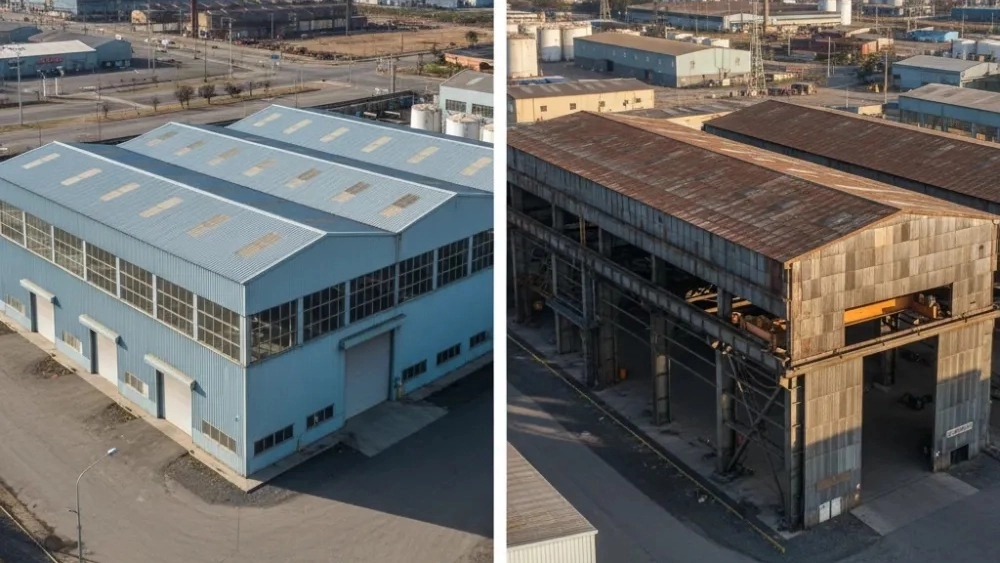

Production and installation of resistant shed suitable for different climates of Iran
Iran is one of the most diverse countries in terms of climatic conditions; From the very hot and dry central regions to the humid northern regions, the cold mountainous regions of the west and northwest, and the windy and earthquake-prone climates of the south and east of the country. In such a situation, producing and installing a resistant shed suitable for different climates of Iran is possible only by following the principles of engineering and knowing the climatic characteristics of each region.
Sole that is designed and implemented without taking into account the weather conditions, will suffer a short-term performance loss and will face serious failures in the long-term. In this article, we comprehensively examine how a resistant, safe and long-lasting shed is designed and implemented according to the different climates of Iran.
Why is climate important in the design and implementation of sheds?
Climate directly affects the following:
- Loads on the structure
- Choosing the type of structure and connections
- Type of roof and wall covering
- Energy consumption
- Long-term maintenance cost
Ignoring the climate is one of the main reasons for reducing the useful life of industrial sheds in Iran.
Classification of the main climates of Iran
For the basic design of the shed, Iran's climates are usually divided into several main groups:
- Hot and dry climate
- Hot and humid climate
- Mid and humid climate
- Cold and mountainous climate
- Windy and earthquake-prone areas
Each of these areas has its own requirements in the design and installation of sheds.
Shed suitable for hot and dry climate
The central regions of Iran such as Yazd, Kerman and parts of Isfahan have very hot summers and high temperature differences.
Design requirements
- Using strong thermal insulation coatings
- Designing proper natural and mechanical ventilation
- Reducing heat transfer from the roof
Performance features
- Using a sandwich panel with appropriate thickness
- Light colors to reduce heat absorption
- Prevision of shade and controlled skylights
The shed is suitable for hot and humid climate
Southern regions and southern coasts of the country are facing high humidity and corrosive air.
The main challenges
- Corrosion of metal structure
- Decreased life of coatings
- Growth of rust
Technical solutions
- Using multi-layer industrial stainless coating
- Epoxy or polyurethane paint
- Strong ventilation to reduce internal humidity
- Choosing corrosion-resistant bolts and nuts
Sule suitable for moderate and humid climate (North of the country)
In the northern provinces, high rainfall and constant humidity are the most important challenges.
Design tips
- Appropriate slope of the roof to drain rainwater
- Precise sealing of seams
- Choosing a moisture-resistant coating
Basic implementation
- Using moisture-proof sandwich panel
- Executing a proper drainage system around the shed
- Preventing water vapor from entering the structure
A shed suitable for cold and mountainous climates
The western and northwestern regions of Iran, such as Azerbaijan, Kurdistan and Hamedan, have extreme cold and high snow loads.
Special loading of snow
- Structure design to withstand heavy snow load
- Strengthening of connections
- Choosing suitable steel sections
Coverage requirements
- Sandwich panel with strong thermal insulation
- Prevention of freezing and condensation
The shed is suitable for windy and earthquake-prone areas
Some areas of the country, such as the coasts of Makran and eastern Iran, have strong winds and the risk of earthquakes.
Engineering solutions
- Wind resistant design
- Execution of basic braces
- Full compliance with the 2800 earthquake code
In these areas, poor design can be disastrous.
The role of engineering calculations in shed resistance
Sole resistant without detailed engineering calculations is practically not possible. These calculations include:
- Climatic load analysis
- Design of steel sections
- Deformation and vibration control
- Design of foundation according to soil and climate
Production of metal frame suitable for the climate
In the production phase, you should:
- Steel quality should be checked
- Welding should be performed according to the standard
- Anti-corrosion coating should be selected according to the area
- Quality control should be carried out carefully
Installation of the shed according to weather conditions
The installation of the shed should also be done according to the climate of the region:
- Level control in windy areas
- Precise sealing in wet areas
- Safety in installing in cold areas
Choosing the roof and wall covering according to the climate
Choosing the wrong cover, even in the best structures, will reduce the life of the shed.
Common coatings
- Polyurethane sandwich panel
- Colored galvanized sheet
- Insulated composite systems
The cost of production and installation of climate resistant shed
The final cost depends on the following factors:
- Climatic type
- Required resistance level
- Coating type
- Skeleton weight
- Accessory equipment
Increasing the initial cost for climate resistance will reduce the maintenance cost in the long run.
Common mistakes in climatic niches
- Using the same design for all areas
- Removing anti-corrosion coatings
- Not paying attention to snow and wind load
- Choosing inappropriate climate material
These mistakes directly reduce the life of the structure.
The advantages of a resistant shed suitable for the climate
- Increasing the useful life of the structure
- Reducing the cost of repairs
- Higher safety of manpower
- Higher productivity of the industrial unit
- More optimal energy consumption
The role of Sole world in the implementation of climate shelters
The Soleh World company, with experience in implementing industrial projects in different climates of Iran, from the design stage to production and final installation, offers sheds that suit the actual conditions of each region.
The approach of this collection is to design a safe, economical and compatible structure with the climatic environment of the project.
Summary and call to action
Production and installation of a resistant shed suitable for different climates of Iran requires scientific knowledge, practical experience and full adherence to current standards. The right decision at this stage will guarantee the durability and long-term success of your industrial project.
To receive specialized climate advice, check the project conditions and estimate the cost of production and installation of a resistant shed, contact the experts of Sule World and start your project properly.