

Rice has a place beyond a simple food in Iranian tables; Rice is a symbol of blessing, taste and hospitality. Among all types of rice that are grown in the green paddy fields of northern Iran, the name of one rice always shines as the king of Iranian rices, and that is Sadri rice. If you are looking for a unique fragrance and great length, you should look for centers that specialize in selling high quality Gilan Sadri rice. Finding pure rice that is not mixed with high yield rice is a concern of many buyers. Ahmedpur store, with years of experience and direct contact with the farmers of Gilan, solves this concern and brings the best product to your table. In this article, we are going to examine the characteristics, types, diagnosis methods and reasons for the popularity of this rice.
Gilan Sadri rice; The pearl of the northern paddy fields
When we talk about selling high quality Sadri Gilan rice, we mean rice that has no competitors in terms of genetics and cooking quality. Sadri rice is considered as quality rice, which means that its yield per hectare may be lower than high-yielding rice, but its grain quality, flavor and taste are at the highest possible level. This rice is native to Gilan province and the special weather conditions of this region, high humidity and fertile soil of the Sefidroud delta have given it a magical taste.
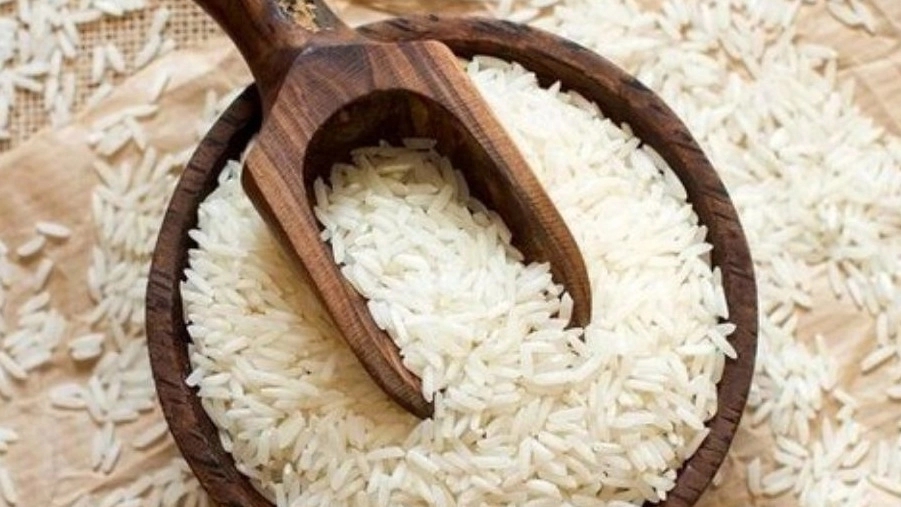
Rice grains are long, elongated and pen-shaped and have a creamy white color. One of the prominent features that has boosted the sale of high-quality Gilan Sadri rice is the property of stretching it after cooking. After steaming, this rice becomes extremely soft and tender, and even if it is cooled for hours after cooking, it remains soft and tasty. This feature has made luxury restaurants and reception halls to be constant customers of Ahmedpur store.
Types of Sadri rice and their differences
In order to make the right choice in the process of selling high quality Gilan sadri rice, you should know that sadri rice itself is divided into several subcategories. Although all of them are in the Sadri family, they have slight differences from each other.
1. Black tail rice
This variety is the most famous and popular type of Sadri rice. The reason for its name is the black color of its tail. Black tail rice has the highest growth rate and its aroma is refreshing. At Ahmadpur Store, the main focus is on selling high quality Gilan sadri rice of the black tail type, because customers are looking for the highest quality. The fat in the grains of this rice is so much that after cooking, the grains are completely separated and crumbled.
2. Yellow tail rice
This type of rice is also very high quality, but its rice grain is yellow. In terms of taste and aroma, it is very similar to black tail, but in commercial markets, its price is usually slightly lower than black tail. However, it is still considered as luxury rice.
3. Red tail rice
As its name suggests, the ribs of this type are reddish. The cultivation of this type of rice has decreased compared to the other two types because it is less productive for the farmer. But it still has its own customers who are looking for sale of excellent quality Sadri Gilan rice of the traditional and old type.
Why Ahmedpur store is the best reference for buying rice?
In a chaotic rice market where it is difficult for ordinary people to distinguish genuine from fake rice, having an authentic name is a great blessing. Ahmadpur store supplies the product directly from the modern rice mills of Gilan, eliminating middlemen and brokers. This elimination of middlemen has two great advantages: firstly, the final price for the consumer is reduced, and secondly, the possibility of mixing rice with low-quality cultivars becomes zero.
The commitment of Ahmedpur store to sell high quality Sadri Gilan rice is not just a slogan. All the bars are tested by expert experts before entering the warehouse. The aroma, taste, level of drying and uniformity of the load are carefully checked. The customers of this store know that when they open a bag of rice, they will find uniform, unbroken and pest-free grains.
A guide to distinguishing original Sadri rice from fake
One of the main challenges in the market selling high quality Gilan Sadri rice is the presence of mixed rice. Unfortunately, some profiteers mix Sadri rice with high-yielding rice (such as Shiroodi or Neda), which have a similar appearance, but their cooking quality is different. Here are some methods to identify the original rice, which the experts of Ahmadpur store also emphasize:
1. Seed uniformity test
Pour some rice in your palm and look at them carefully. The grains of Sadri rice should be completely uniform in size and shape. If you see that some grains are short and fat and some are long and narrow, it is probably mixed rice. In the sale of excellent quality Sadri Gilan rice, the quality is the first word.
2. Fragrance test
Take a handful of rice and "ha" on it (exhale hot). The moisture of your breath will release the aroma of the rice. The original Sadri rice should immediately bring the pleasant aroma of the paddy field to your nose. High-yielding rices usually have very little aroma or no aroma at all.
3. Grain color and texture
The grain of Sadri rice should not be glassy and transparent, but has a dull and bone color (light cream). Also, the seeds should be firm and not easily crushed under the teeth. Ahmadpur store guarantees that in the process of selling high quality Sadri Gilan rice, you will receive a product with the same standard specifications.
Nutritional and health properties of Sadri rice
Besides the taste and aroma, the health of the product is also very important. Sadri Gilan rice is rich in complex carbohydrates that provide the energy needed by the body without causing a sudden increase in blood sugar (if consumed in moderation). This rice contains group B vitamins that are essential for the health of the skin, hair and nervous system.
The important point in selling high quality Sadri Gilan rice in Ahmedpur store is its organic nature and low amount of chemical toxins in its cultivation. Farmers who contract with this store use biological methods to fight pests so that the final product is the healthiest option for Iranian families. Also, this rice is very easy to digest, and unlike some foreign rice, it does not cause bloating or heaviness in the stomach.
The correct cooking method for gatherings and parties
Even if you buy the best rice in the world, if you do not know the correct cooking method, you will not get the desired result. The purpose of selling high quality Gilan Sadri rice is to create a pleasant cooking experience. In order for your Sadri rice to grow and become grainy like in restaurants, do the following:
- Soaking: Wash the rice with lukewarm water until the water runs clear. Then soak it with plenty of water and plenty of salt (depending on taste) for 3 to 4 hours. This step is the most important part of making the rice tall.
- Boiling: Fill a large pot with water and let it boil. Drain the water from the soaked rice and put the rice in the boiling water.
- Drain: When the rice grains come to the surface of the water and when pressed between two fingers, the kernel is a little firm but the surrounding is soft, it is time to drain. Sadri rice Ahmedpur Store has a good resistance to boiling. Pour the rice into the pot in the form of a mountain (pyramid). Make a few holes in it with the handle of the spatula to let the steam flow. Put a little oil and water on it and let it brew.
Following these tips, you will notice the real difference selling high quality Gilan Sadri rice. The seeds will be soft and white like silk, and its aroma will fill the whole house.
Factors affecting the price of Sadri rice
Many customers ask why the prices are different in the high quality Sadri Gilan rice centers? The price of rice depends on several factors:
- Mizan Bujari (sieving): Rice that is completely sieved and its broken grains (half grains) are separated has a higher price. Ahmadpur store offers its rice in two sieves and even three sieves so that you have a 100% uniform product.
- Old rice: Old rice (last year) has lost its moisture and cooks better and cooks more. Therefore, its price is slightly higher than fresh (new) rice. Cultivation area: The rice grown in certain areas of Gilan, such as Astana Ashrafieh or Lahijan, are of higher quality due to the quality of the soil. Guaranteeing purity is the main commitment of Ahmedpur store in selling high quality Sadri Gilan rice.
Easy and safe shopping experience from Ahmedpur store
In today's busy world, buying rice online is one of the best solutions. But it is a bit hard to trust online stores to buy a product like rice whose quality must be tested. Ahmedpur store has broken this barrier of distrust by providing a transparent shopping platform, real images of the product and providing a return guarantee in case of dissatisfaction.
You can read the opinions of other buyers on the store's website and make a purchase with full knowledge. The distribution system of Ahmadpour Store is designed in such a way that orders reach customers all over Iran in the shortest possible time and with hygienic and resistant packaging. Our goal is to facilitate the access of all Iranians to the services of selling high quality Sadri Gilan rice, regardless of which city they live in.
Proper storage of rice to maintain quality
After buying high-quality rice from the center for selling high-quality Sadri rice in Gilan, how to store it is very important to prevent pest infestation.
- Keep rice in a dry and cool place. Moisture and heat are the main enemies of rice.
- Place rice sacks on plastic or wooden pallets so that they are not in direct contact with the ground and air flows underneath.
- Avoid exposing rice to direct sunlight because it will cause the seeds to crumble.
- You can use cloves of garlic or bay leaves inside the rice container to keep insects away.
Why are restaurants and hotels our regular customers?
Managers of successful restaurants know that the quality of rice is the reputation of the restaurant. A great kebab with poor quality rice will waste all the efforts of the chef. This is the reason why many famous restaurants have entrusted their rice supply to Ahmedpur store. Consistency in the quality of cargo sent throughout the year is one of the most important features of this store. In contracts for the sale of high quality Gilan Sadri rice in bulk, we guarantee that the quality of the first time is no different from the tenth time. This consistency of quality helps restaurants to always provide standard food to their customers.
Comparison of Sadri rice with Hashmi rice
Another frequently asked question when selling high quality Sadri Gilan rice is its difference from Hashemi rice. Hashemi rice is also one of the best varieties of Iranian rice and has many fans. The main difference is that Sadri rice has more elongated and bony grains than Hashemi and it is more complex. Hashmi rice has slightly fatter and softer grains. In terms of aroma, both are at a high level, but the aroma of Sadri rice is a bit more penetrating. In Ahmedpur store, both types of rice are available with the highest quality, but if your priority is the long grain and the very luxurious appearance of the rice, our suggestion will definitely be Sadri rice.
conclusion
Iranian table deserves the best. The aroma of Iranian rice is part of our cultural identity and common memories. Choosing a high-quality rice not only shows the taste of the host, but also guarantees the health of the family. If you are looking for a different experience of taste and aroma and you want to have peace of mind about the purity and health of rice, Sadri Gilan rice of excellent quality at Ahmedpur Store is the answer to your needs.
We at Ahmedpur Store are proud to deliver the hard-working farmers of Gilani to the final consumer without intermediaries and at a fair price. Quality, honesty and customer orientation are our priorities. Place your order today and invite the unique aroma of northern paddy fields to your home. By buying and cooking this rice once, you will become our permanent customer because quality is the best advertisement.