

Echocardiography of the heart: quick and accurate diagnosis of heart diseases without surgery
Introduction
Today, heart diseases are one of the most important causes of death worldwide. Early and accurate diagnosis of these diseases can save the lives of many patients. One of the most practical and non-invasive methods to check the condition of the heart is echocardiography, which provides complete and accurate information about the heart's function without the need for surgery. This method uses sound waves to depict the structure and movement of the heart, and the doctor can diagnose the type of heart disease by viewing the images.
What is echocardiography of the heart?
Echocardiography Heart or "Sonography Heart", is a type of imaging test that is performed using high-frequency sound waves (ultrasound waves). In this method, a special transducer is placed on the patient's skin and sound waves are sent to the heart through it. After hitting the heart tissues, these waves are reflected and returned to the device to produce images of the inside of the heart. In fact, echocardiography heart acts like a transparent window into the heart and makes visible what is happening inside.
Types of heart echocardiography
Echocardiography The heart is divided into several different types, each of which has a specific application:
1. Transthoracic echocardiography (TTE)
This type is the most common and usual method of echocardiography which is performed from the chest. By placing the transducer on the skin, clear images of the heart's chambers, valves, and blood flow are obtained.
2. Transesophageal echocardiography (TEE)
In this procedure, a small transducer is inserted into the body through the esophagus to provide more accurate images of the hidden parts of the heart. Transesophageal echocardiography is very useful for checking blood clots in the atria and evaluating the function of artificial valves.
3. Stress echocardiography
In this type of test, the condition of the heart is checked before and after physical activity or medication in order to determine the level of heart function in a state of stress. If the blood flow in a part of the heart is weak, the doctor can diagnose the possibility of narrowing of the arteries.
4. Doppler echocardiography
Echocardiography Doppler focuses specifically on the direction and speed of blood flow in the heart. This type is very accurate for diagnosing insufficiency or blockage of heart valves as well as evaluating the overall function of the heart.
Applications of cardiac echocardiography
Echocardiography Heart is used in various cases, including:
• Diagnosing heart failure and checking the function of the ventricles
• Assessment of the condition of the heart valves (stenosis or leakage)
• Identifying the presence of a blood clot or mass inside the heart
• Check pulmonary blood pressure
• Follow-up of patients after heart surgery or artificial valve installation
• Controlling the development of the heart in the fetus during pregnancy
Advantages of heart echocardiography compared to other methods
One of the biggest advantages of echocardiography heart is its non-invasiveness. It does not require any special incision or injection and is completely painless and safe. Also, since this method is based on sound waves, there is no radiation in it, and it can be repeated several times in different periods.
Among its other advantages, the following can be mentioned:
• High detection speed
• Lower cost than advanced imaging methods
• Can be done in public offices and clinics
• High precision in examining the structure and function of the heart
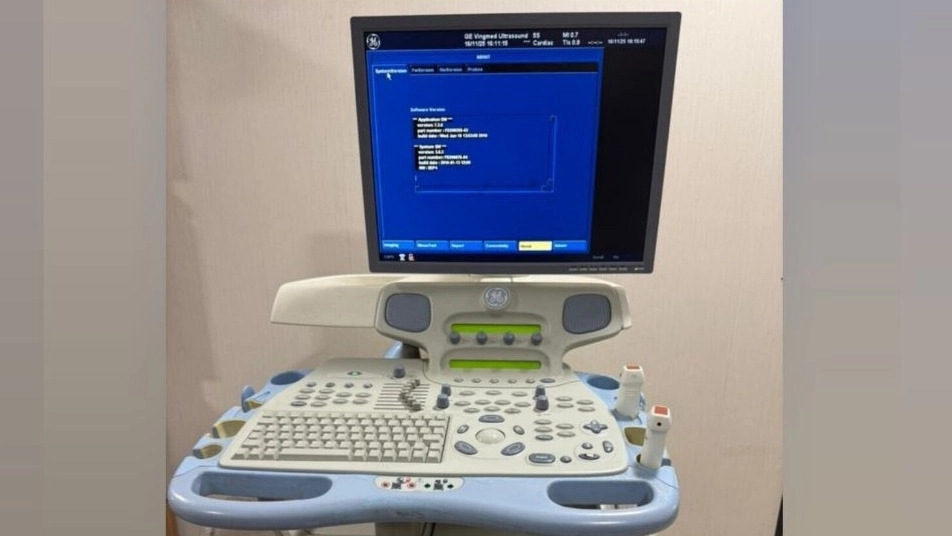
Echocardiography device accessories
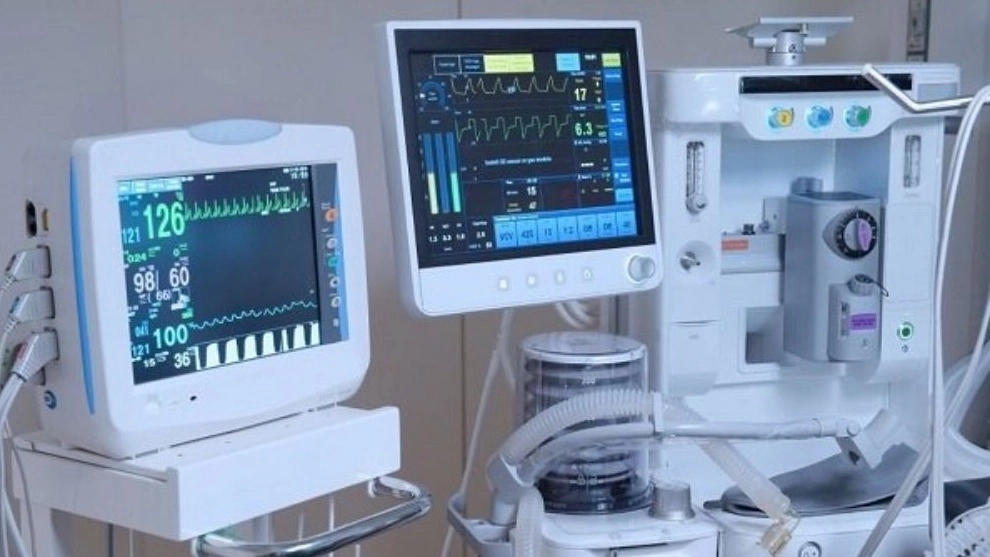
Image quality and accuracy of results in echocardiography heart largely depend on its accessories. Some of the most important of these equipments are:
• Transducer: The main part of the device that sends and receives sound waves.
• Ultrasound gel: a conductive material that is placed between the skin and the transducer to transmit sound waves better.
• High resolution monitor: to view live images of heart structure and blood flow.
• Digital filing and registration system: To store images, reports and patient records for later evaluations.
• Connection cables and image analysis software: for data processing and three-dimensional representation of the heart structure.
Echocardiography Heart helps doctors to accurately diagnose diseases such as heart wall defects, ventricular failure, coronary artery blockage, valve stenosis or pericardial disease. Also, in emergency cases, this method can determine the patient's condition in less than a few minutes and prevent delays in treatment.
Echocardiography of the heart and the future of medicine without surgery
With the advancement of technology and the advent of 3D models and color Doppler, echocardiography heart has become a powerful tool in modern medicine. Now, with smart image analysis software and portable devices, doctors can check the patient's heart condition even in emergency situations or away from the hospital. These advances have made the diagnosis of heart diseases more practical and accurate than ever without the need for surgery.
Summary
Echocardiography Heart is one of the most important and reliable methods of diagnosing heart diseases. This technology, by combining speed, accuracy and no need for surgery, has been able to create a great revolution in heart medicine. The use of advanced devices and standard accessories plays a vital role in this field. So if you are looking for a safe and accurate diagnostic method, echocardiography heart is the best option to check cardiovascular health without any pain or risk.