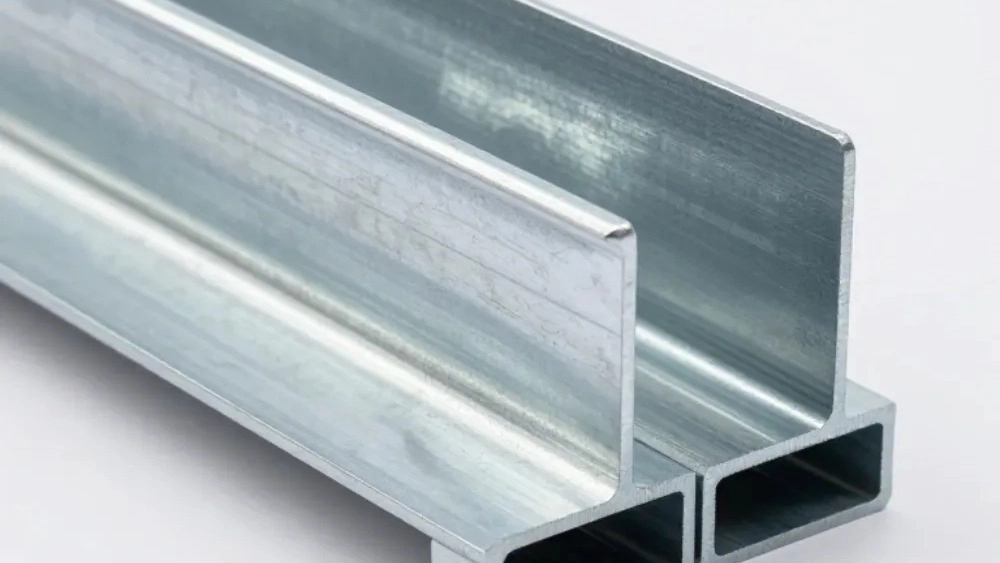

profile for high base structures; Engineering design, structural durability and industrial production
profile for high base structures; Engineering solution for modern structures
Profile for high base structures is one of the key components in the design and implementation of structures that need to withstand heavy loads, high height and long-term stability. In civil, industrial and infrastructure projects, the use of special profiles for high base structures as an engineering solution plays a decisive role in increasing safety, cost optimization and improving the performance of the structure. These types of profiles are designed according to loading conditions, geographical location and type of user, and they are fundamentally different from general profiles.
In recent years, with the development of steel industries and roll-forming technologies, it has been possible to produce special profiles for high base structures with high precision and uniform quality. This issue has caused engineers and structural designers to pay special attention to the correct selection of the profile, because incorrect selection can lead to a reduction in the useful life of the structure and an increase in maintenance costs.
The importance of using special profiles for high base structures in structures
The special profile for high base structures is designed in such a way that it can bear compressive, tensile and bending forces at the same time. In high structures, uniform distribution of stress and prevention of force concentration is very important. Using a special profile for high base structures allows loads to be transferred to the foundation in a principled way and reduces the risk of instability.
In terms of engineering, these profiles usually have an optimized cross-section that has a high strength-to-weight ratio. This feature causes the overall weight of the structure to be reduced in large projects and at the same time the required strength is maintained. For this reason, the profile for high base structures is widely used in projects such as masts, solar structures, bridges and high sheds.
Technical characteristics of the profile for high base structures
The profile for high base structures has certain technical characteristics that distinguish it from other profiles. One of the most important features is the controlled and uniform thickness along the profile. This uniformity makes it have a more predictable structural behavior.
Another feature is the possibility of production in different lengths and with precise drilling. This makes installation easier and reduces project implementation time. Also, the use of quality steel and protective coatings increases resistance to corrosion and harsh environmental conditions. For this reason, the profile for high base structures is the right choice for areas with high humidity or extreme temperature changes.
The role of engineering design in the performance of special profiles for high base structures
Engineering design is very important in the production of profiles for high base structures. In this process, accurate loading calculations, stress analysis, and checking of operating conditions are performed. The main goal of this design is to achieve a balance between strength, weight and cost.
The profile for high base structures should be designed in such a way that it can perform properly against dynamic loads such as wind and earthquake. This issue is especially important in tall structures. The use of structural analysis software and new production technologies has made it possible to achieve these goals.
Profile production process for high base structures
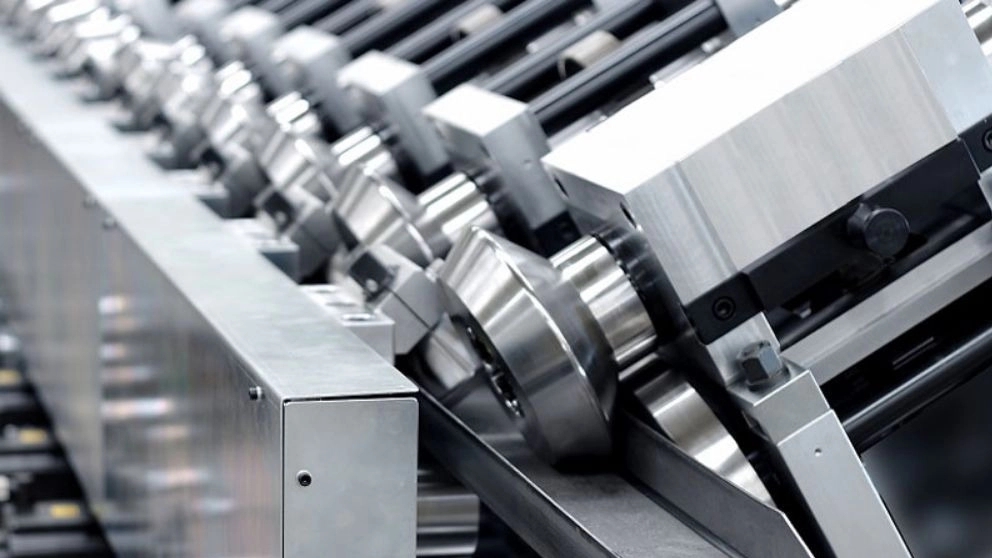
Production of profile for high base structures is usually done by roll forming method. In this method, the steel sheet is shaped gradually and through several stages until it reaches the final section. This process is highly accurate and makes the final profile have precise dimensions and uniform quality.
One of the advantages of roll forming is the possibility of mass production while maintaining quality. This issue is very important for large projects that require a large number of profiles for high base structures. In this context, collections such as
https://rollforming-co.com
focus on industrial and engineered production, play an effective role in meeting market needs.
Profile applications for high base structures in various industries
Profiles for high base structures are used in many industries. In the energy industry, these profiles are used in the construction of solar and wind power plant structures. In these projects, load bearing and stability over time are very important.
In the construction industry, the special profile for high base structures is used to make the metal frame of tall buildings, industrial sheds and high warehouses. Also, in transportation projects, such as bridges and supporting structures, these profiles play a key role.
Economic benefits of using special profiles for high base structures
From an economic point of view, using a special profile for high base structures can reduce the overall costs of the project. Although the initial price of these profiles may be higher than the general examples, the reduction in weight of the structure, reduction in installation time, and increase in useful life will significantly reduce long-term costs.
In addition, the standardization of dimensions and quality reduces implementation errors and rework. This issue is of great importance for employers and contractors, because it simplifies project time and budget management.
Standards and quality control in profiles for high base structures
Complying with technical standards in the production of special profiles for high base structures is of great importance. These standards include mechanical characteristics of steel, dimensional accuracy and surface quality. Quality control at different stages of production ensures that the final profile meets the design requirements.
In this regard, the use of modern equipment and expert technical team plays an important role in achieving the desired quality. Manufacturers who adhere to these principles can respond well to the needs of sensitive and large projects.
The future of special profiles for high base structures in the construction industry
With the growth of urbanization and the increase in the need for tall and resistant structures, the demand for special profiles for high base structures is increasing. It is expected that in the future, the use of more advanced steels and more optimized designs will further improve the performance of these profiles.
Also, the development of production technologies, such as advanced roll forming, will enable the production of special profiles for high base structures with higher accuracy and lower cost. This process can have a positive effect on the construction industry and infrastructure of the country.
summary
Profile for high foundation structures, as one of the basic components of modern structures, plays an important role in increasing the safety, durability and productivity of civil and industrial projects. Engineering design, accurate production and correct selection of these profiles can have a direct impact on the success of the project. Due to the importance of this issue, it is necessary for engineers, designers and industry activists to get to know the features, applications and profile production process for high base structures.