



Introduction:
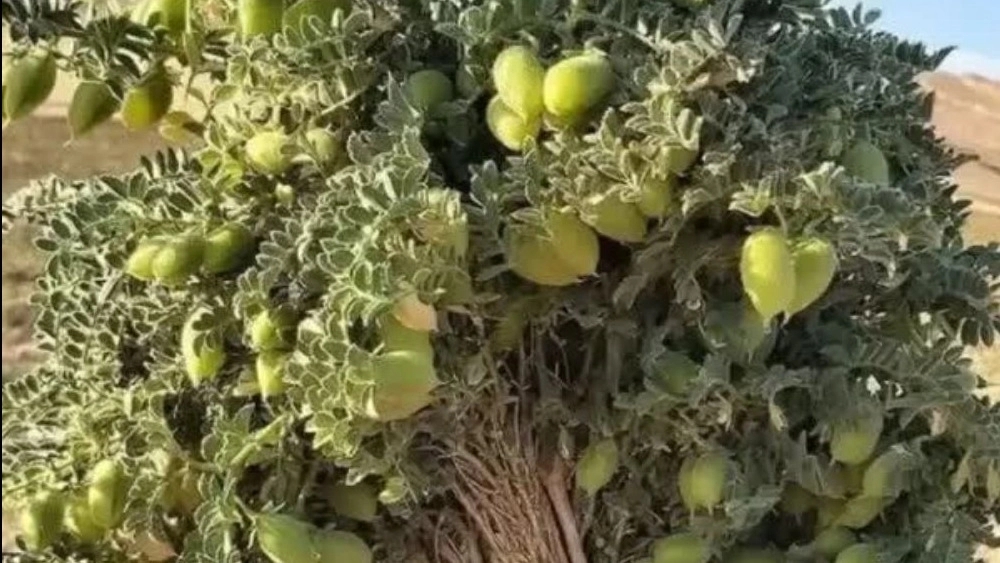
Spring chickpea is one of the strategic crops in the country's crop rotation, which is not only considered an excellent source of vegetable protein, but also plays a vital role in improving the soil structure and reducing the need for chemical fertilizers due to the symbiosis with nitrogen-fixing bacteria. Due to the limited water resources, focusing on the dry cultivation of spring peas requires specialized knowledge and the use of the best inputs, especially suitable seeds. This guide has been compiled with the aim of providing practical knowledge and introducing a reliable source for seed supply.
First part: Importance and features of spring chickpea rainfed cultivation
Dry cultivation of spring peas is a smart solution for optimal use of limited rainwater resources in arid and semi-arid regions of the country.
1. Economic and ecological justification:
Rain farming allows the farmer to harvest an economic crop in areas with moderate rainfall and proper distribution, without relying on costly irrigation. Success in this system is entirely dependent on soil moisture management. By improving soil fertility, chickpeas also reduce input costs in the coming years.
2. Soil moisture management (the most important factor in rainfed farming):
In rainfed farming, every drop of water is vitally important and how it is preserved and used determines the final performance.
- Preparation of planting bed: Implementation of no-till cultivation (No-Till) or minimal tillage is strongly recommended to maintain plant residues on the soil surface and reduce evaporation from the lower layers. Plant residues act like a mulch cover and increase the infiltration of rainwater.
- Planting timing: The planting time should be chosen very carefully. Planting should be done as soon as it is possible to work in the field (usually late winter or early spring), and before the topsoil is completely dry, so that the seed can take advantage of the available moisture for germination. A delay in planting greatly increases the risk of losing initial germination moisture.
Part II: The secret of success in rainfed farming - choosing the right seed
Choosing the right seed is the most important controllable variable for the farmer in rainfed cultivation. The seed must be able to use limited water resources efficiently.
1. Tolerance to environmental stresses:
The seed that is selected for rainfed conditions should have the following characteristics:
2. Processing period (phenology):
In rainfed farming, managing the timing of crop ripening is very critical:
- Early cultivars: It is important to choose early cultivars so that the plant's irrigation stage (flowering and seed filling) ends before the arrival of intense summer heat and the complete depletion of soil moisture. This reduces the risk of product failure.
3. Certified seed quality:
The quality of inputs becomes more important in rainfed farming; Because it is not possible to compensate for the lost yield during the cropping season.
- Key characteristics: Seed should have high germinability (at least 90%), suitable physical and genetic purity, and free from any fungal or bacterial contamination.
- Effect on establishment: Using high quality seeds ensures uniform establishment in a rainfed field, as the percentage of germination will be the same throughout the cultivated area. was.
The third part: Introduction of the reliable source of seed supply - Asial Bean Trading
Asiaal Beans Trading with a deep understanding of the country's climatic needs and a detailed understanding of the problems of rainfed agriculture, offers a collection of the best varieties of spring peas that are specifically optimized for adaptation to drought and optimal performance.
Specialized trading services of Asial beans:
- Specializing in drought tolerant seeds: We only supply seeds with proven performance under water stress conditions. These cultivars have been selected directly from research fields adapted to drought conditions.
- Guaranteed Purity and Vigor: By purchasing from Asiaal Bean Trading, you are not only purchasing seed, but also ensuring successful establishment of the plant. We guarantee that our seeds pose the least risk in the initial germination and establishment stage. Expert advice: Our team of experts are ready to help you choose the right seed variety based on the rainfall data of the area and soil type.
To get more information about the best varieties of spring chickpeas adapted to rainy conditions and to order seeds with guaranteed quality, contact Asiaal Beans Trading today and guarantee the performance of your farm.
Conclusion:
Cultivation of rainy spring peas is a great opportunity for sustainable agriculture; An opportunity that will come to fruition by choosing a great seed from a reputable authority like Asiaal Bean Trading. The correct management of humidity and the use of quality inputs will be the key to your success.