
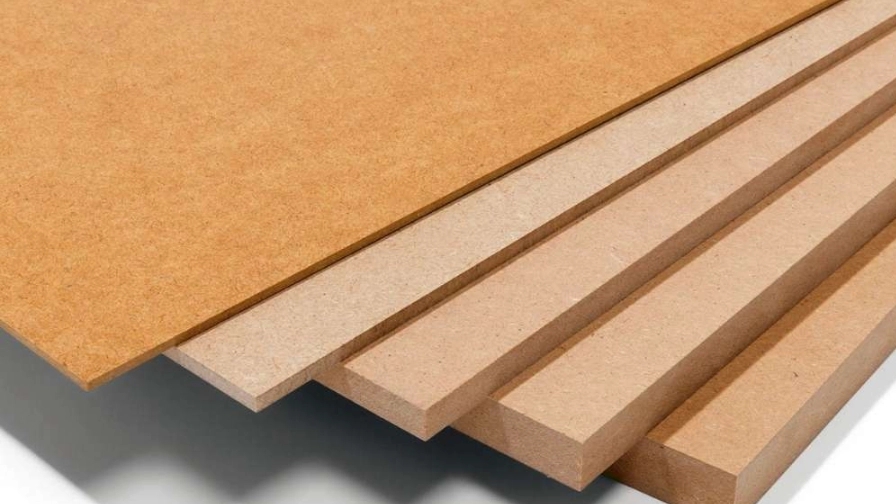
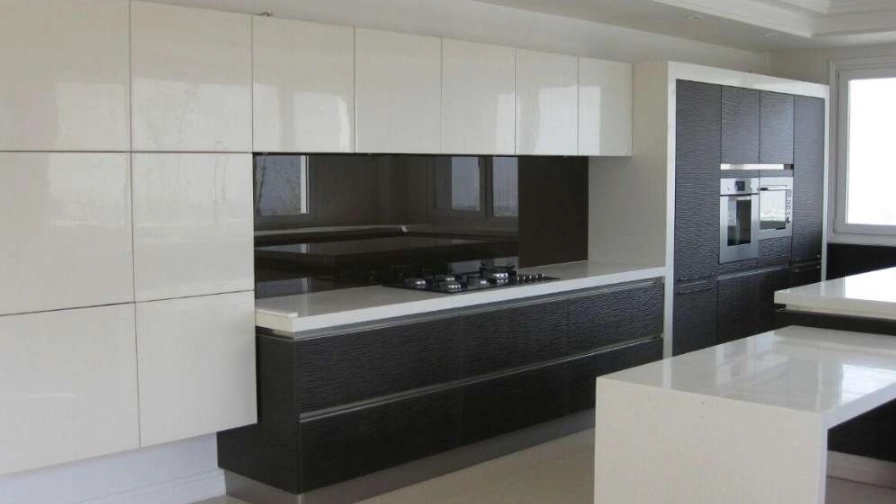
MDF stands for Medium Density Fiberboard and means a wood board with medium density or density, which is very similar to chipboard (chipboard), but is much stronger than that, and today it has many uses in various industries, including cabinet making. . Many people use MDF instead of plywood or plywood due to similar applications in some cases, which is not correct because they are very different from each other in terms of structure and characteristics and only in some cases, they have the same application. .
How is MDF Made?
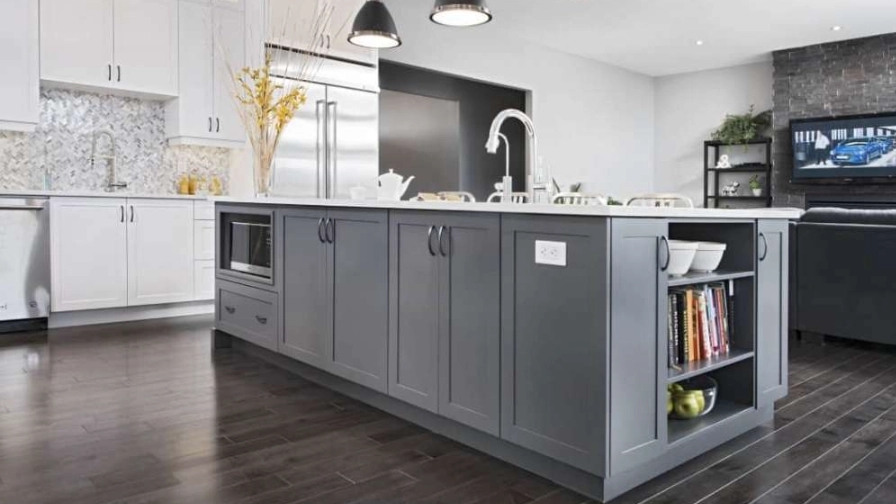
The method of making MDF is as follows:
Wood preparation The production of quality MDF begins with the selection and purification of raw materials, most of which are recycled from the remaining chips from sawmills and plywood production. The raw materials are first cleaned of any metal impurities using a magnet. Then the material is divided into large pieces and small shells. The shells are separated into pieces of sawdust and wood chips. Raw materials are collected well and without defects, they are poured into the washing bucket. Steam is injected into the washing bucket to make the material warm and soft. These materials pass through a rotor, which compresses the fibers and removes water. The compressed material is then transferred to a purifier that converts the material into usable fibers. Sometimes the pressed materials may go through the second stage of purification to improve the purity of the fiber.
Heat and pressure Before the purification step, resin is added to the compressed fibers to increase the formaldehyde tolerance of the mixture, and after the purification, the catalyst is added to the mixture. Then the fibers are taken into the dryer to be heated with oil or gas. In this step, the ratio of resin added to existing fibers is carefully controlled. In the next step, the fibers are pressed through scalping rolls to produce a sheet of uniform thickness. This sheet goes through several pressure steps to reach the desired size. A continuous press presses the sheet at a uniform rate by monitoring its height. The presses are equipped with electronic control to make the sheet with the desired density and strength. The resulting sheet is cut to the appropriate length using a saw before cooling.
Sanding To reach a smooth surface, the desired surface is polished with the help of belts covered with different abrasives. For this purpose, silicon carbide is usually used, but due to the need for finer surfaces, other ceramic abrasives such as zirconia alumina and aluminum oxide are also used.
The final process The first step in the finishing process is cutting. Different blades are used to cut different sizes. Depending on the desired efficiency, the boards are cut in different dimensions and thicknesses. The second stage of the final process is lamination. In this step, the board is sent between two rolls and glue is applied between the two rolls. In this way, the covers are attached to the fiber board by means of glue. Vinyl, foil, etc. are used for the final coating. These covers are glued by a laminating machine.
MDF Types
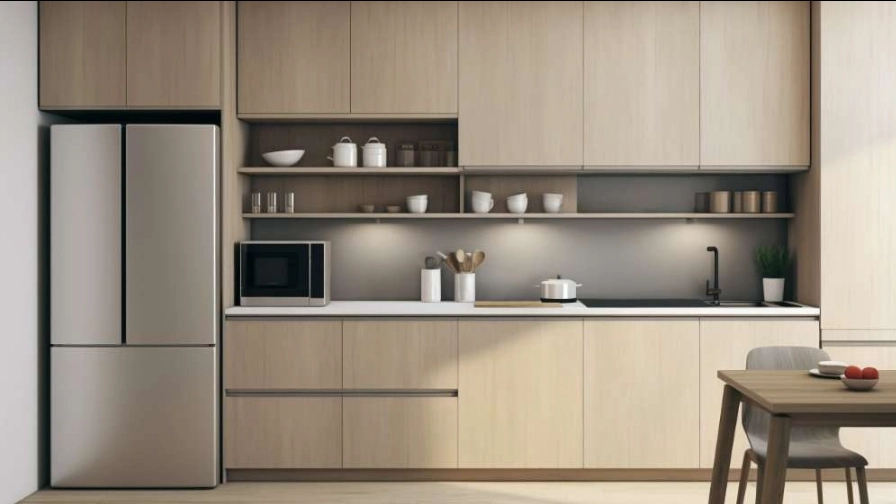
MDF is divided into three categories based on density: 🟠 LDF LDF stands for Low Density Fiberboard. L-MDF also means low density MDF. 🟠 MDF This type is what we talked about earlier and you are somewhat familiar with it. 🟠 HDF HDF also stands for High Density Fiberboard, which means high density fiber board. MDF can be divided into other categories as follows: 🟠 Particle Board Chipboard is one of the most common types of MDF. In chipboard, various raw materials are used, which, by analyzing and processing, create the particles that make up the wood board in various sizes and shapes. Then we glue all the created particles together with resin. Chipboard is usually used to make small furniture for the living room, bedroom and kitchen. 🟠 Fiber Board Fiberboard is made at a lower temperature than MDF production and also in a dry process. All fiberboards are connected to each other using formaldehyde resins, which are usually urea or phenol formaldehyde. These resins can sometimes irritate the eyes, nose, throat and mucous membranes even at very low levels. For this reason, there are many controls on the fiberboard that reduce exposure to these harmful factors to the lowest possible level. 🟠 Laminated Board Laminate board is another type of MDF that can be used for a wide range of construction projects. Laminate board is produced using different wood grains. Then, each layer of wooden products is glued together and connected to the board, laminate or cover, which makes the board more resistant.