The strategic importance of basic materials in the construction industry
Building plaster: from mine to white wall
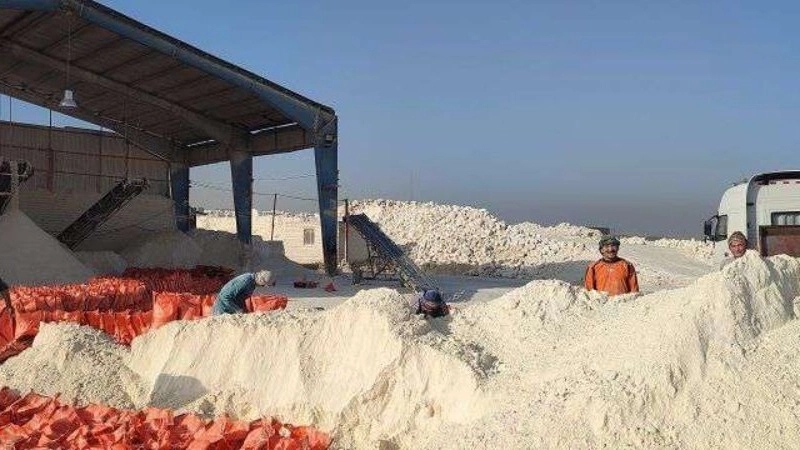
The process of extracting and baking gypsum stone
Types of plaster and its uses
- Soil plaster (substrate plaster): This type of plaster usually has a coarser grain size and is used to mix with clay and create the first layer of plaster work (lining). High adhesion and reasonable price are its features.
- Whitening plaster (finishing): This product should be very soft and sifted. The micronized plasters distributed by Saral construction materials do not need to be sieved again and create a polished and mirror surface. Gypton plaster: This polymer plaster is used for plastering on concrete and cement surfaces that have little water absorption, which has an extraordinary adhesion.
Stone powder: vital supplement of mortars
Why should we use stone powder?
Various applications of stone powder
Construction lime: ancient alchemy with modern application
Lime production cycle: from stone to powder
The role of lime in building strength
- Batard mortar: The combination of cement, lime and sand makes a mortar called Batard, which has waterproof properties and high flexibility, and is excellent for wet areas and canal walls.
Quality standards in the production of gypsum and building limestone powder
- Granulation (mesh): In gypsum and stone powder, mesh or grain size is very important. The higher the mesh, the finer the particles and the softer the product. A high mesh is necessary for the final finish.
- Purity and color: White and uniform color in plaster and stone powder is a sign of high purity. The presence of dark streaks indicates the impurity of soil or metals in the mine.
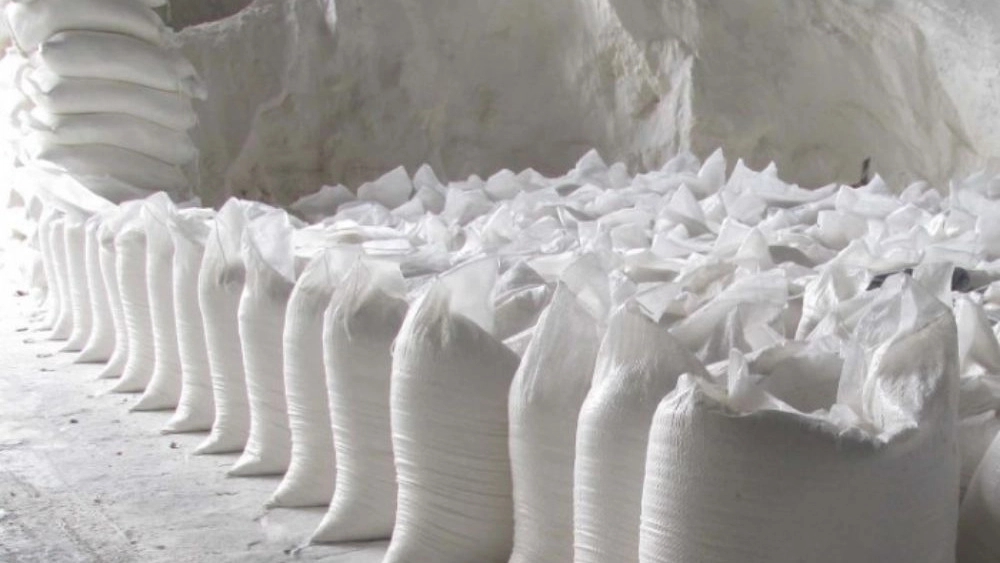
- Packaging: Waterproof and resistant packaging (laminate) is necessary for plaster and lime to prevent moisture from entering the warehouse. Saral construction materials supplies its products in standard and resistant packaging to minimize damage during transportation.
The role of Saral construction materials in the supply chain
Benefits of buying from Saral
- Competitive price: Eliminating middlemen and direct communication with manufacturing factories has reduced the final price for the consumer.
- Quality control: Saral experts periodically check the quality of incoming products to ensure quality stability.
- Expert advice: Choosing the right type of plaster or lime for each climate and each stage of work requires knowledge. Saral's consulting team is your guide on this path.
- Fast shipping: Dedicated shipping fleet allows orders to arrive in the shortest possible time.
Technical points in the use and maintenance of materials
- Plaster storage: Plaster is highly absorbent of moisture. Gypsum bags should be stored on wooden or plastic pallets and away from the wall. In humid areas, plaster has a limited shelf life and must be applied fresh. Saral construction materials always send fresh loads so that the customer's mind is at ease about the plaster spoiling.
- Use of lime: When working with lime, gloves and masks must be used because it is harmful to the lungs and skin. Also, quicklime should not be stored in the vicinity of flammable materials.
- Stone powder composition: The ratio of stone powder composition with cement should be accurate. Excessive use of stone powder reduces the compressive strength of concrete or mortar.
The effect of climate on the choice of materials
- Wet areas: In the north and south of the country, the use of ordinary plasters is not recommended because they form drums. In these areas, polymer plasters or cement works with a lot of stone powder should be used.
- Desert areas: In these areas, due to the large temperature difference between day and night, mortars should be flexible so as not to crack. The use of lime in mortar can improve this property.
The future of the gypsum and construction limestone powder industry
The difference between ordinary and sparkling stone powder
Calculate the required amount of materials
- Plaster and soil: For each square meter of wall plastering with a normal thickness (about 2 to 3 cm), approximately one 40 kg bag of plaster and soil is needed.
- Whitewashing: Each 40 kg bag of white plaster is enough for whitewashing 10 to 12 square meters of wall (with low thickness).
- Stone powder: The amount of stone powder consumption depends It has the type of mortar, but it is usually mixed with white cement in a ratio of 1 to 3 in facade construction.