
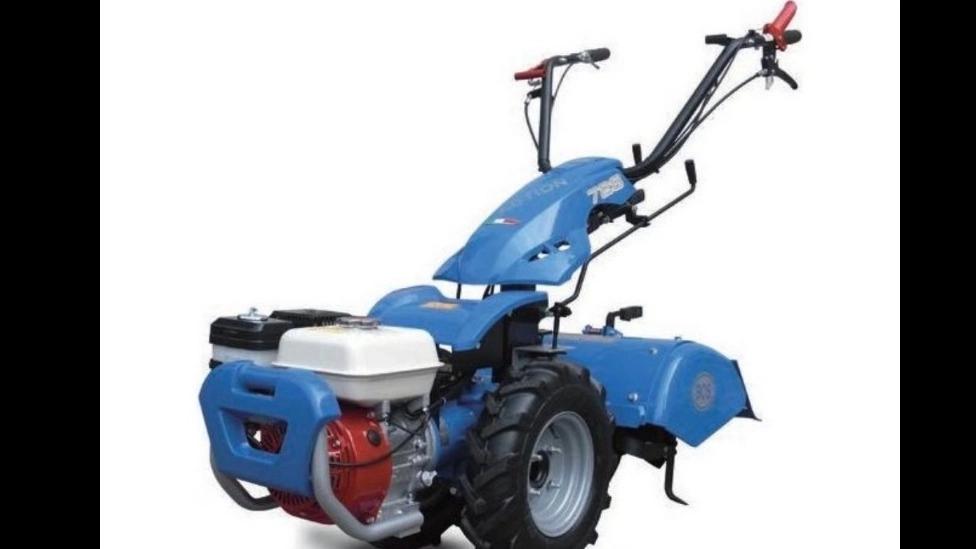

BCS two-wheel tractors are one of the best and most efficient agricultural machines for performing many agricultural operations in small to medium-sized farms and gardens. Carrying out plowing operations, harvesting fodder and grains, and carrying cargo are among the important uses of these two-wheeled tractors. One of the common problems when using the BCS two-wheeled tractor, especially in uneven terrains and terrains with high altitudes and lowlands, are two problems, i.e. insufficient contact between the wheel and the soil and the imbalance of the device, which has a bad effect on movement and maneuverability. The machine also causes a negative impact on agricultural operations. In such a situation, we face the question, what should be done in such a situation? And how to solve the problem of device imbalance?
The first way to work in such a situation is to change the wheels of the machine. The use of 12 x 500 wheels on the machine increases the height of the machine and also increases the contact between the wheel and the ground. Tying the weights compatible with the wheel of the device to the wheel and making it heavier can also have a significant effect on increasing the amount of contact between the wheel and the soil.
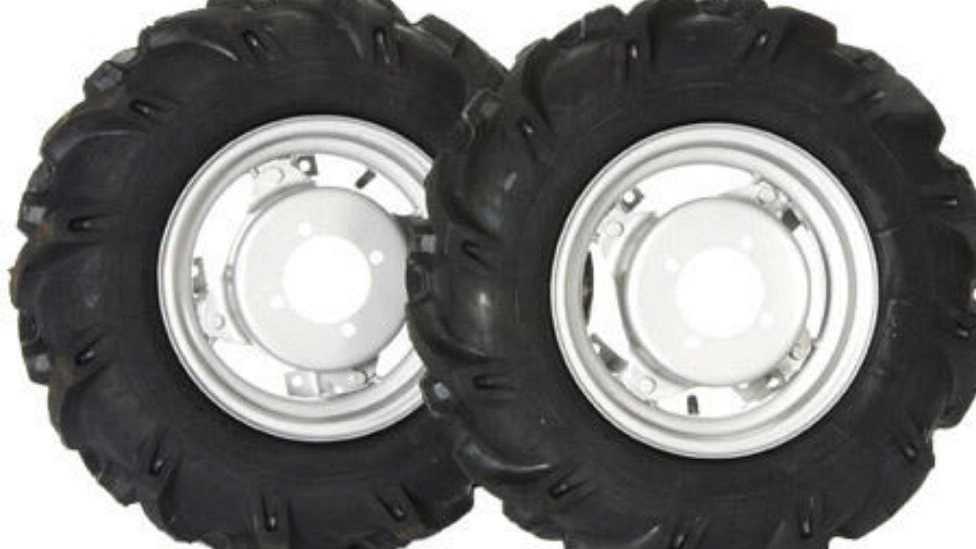
If the conflict problem still exists despite the 12x500 wheels, it is better to use iron wheels. This work will certainly increase the engagement of the wheel with the soil in a meaningful way and has a positive effect on the traction power of the two-wheeled tractor.
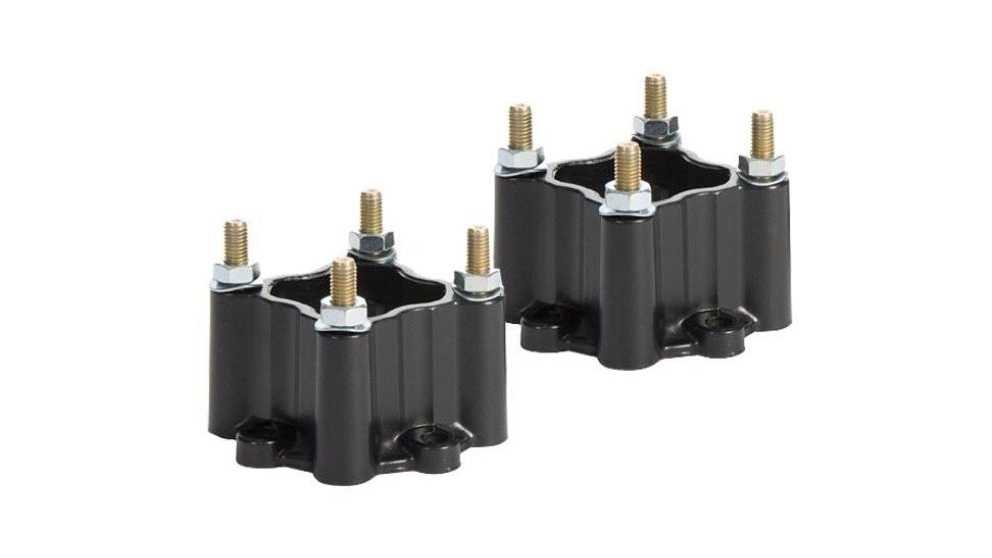
In addition to this problem, another common problem of two-wheeled tractors, as That said, their lack of stability is especially in uneven ground conditions. In this situation, it is recommended to use the intermediary of the wheel. The intermediate wheel consists of a light steel piece that is connected to the axle shaft on one side and to the wheel on the other side. By closing the middle of the wheel, 6 cm is added to the width of the device on each side, and this 12 cm addition will have a very high impact on the balance of the device.
Tillcoltatators or Double Tractor?
Due to the approach of spring season and the popularization of using tiller cultivators to perform tillage operations in gardens, choosing the type of machine has always been one of the common challenges of farmers. These days, due to the existence of two categories of machines including cultivator tiller and two-wheeled tractor for tillage operations, we decided to introduce these two types of tillage machines in this article.
First of all, it is better to know that, The main purpose of tillage is to increase production and preserve existing resources and potentials. Farmers use tillage for various purposes, such as preparing the seed bed, increasing the permeability of water and air in the soil, burying plant remains under the soil, mixing different types of fertilizers with the soil, eliminating weeds, controlling and reducing the population of pests and diseases, and breaking the tuber. soil, break the layers limiting root growth, maintain soil moisture, etc. In some cases, it is not possible to use normal tractors due to the size of the agricultural land and the location of the land and the way the crop is grown, so in these cases, small tractors are used, which are both small in size and easy to work with. Today, tillage operations in gardens are done by two-wheeled tractors and tillers. Now the question that arises is, is a two-wheeled tractor better or a cultivator tiller? Tyler Coltio of Cole
The concept of tiller and cultivator is different. First, it is necessary to check the difference between tiller and cultivator separately. Tiller's job is to plow and break the hard layer of the soil at great depth. This type of plowing is called primary tillage. Therefore, the tiller is used in cases such as: deep plowing, loosening heavy soil and breaking hard layers of soil. Cultivator: Cultivator is a device designed to mix soft soil and mix compost and fertilizer with soil. Cultivator power consumption is less than Tiller and it is not designed to break the soil and soften the hard soil layer. In fact, this mode is used for secondary tillage, which usually deals with soft soil layers. The cultivator is used to perform operations such as breaking and stirring the soil, mixing fertilizer and compost, and controlling weeds. Tiller-Cultivator: This device is a combination of two Tiller and Cultivator devices. Tiller cultivators have both primary and secondary tillage capabilities, depending on the depth of the plow and its ability to be adjusted by the tension rod at the end of the device, that is, if they work at a shallow depth, they have the capability of cultivator and if they work at a high depth, they have the capability of tiller.
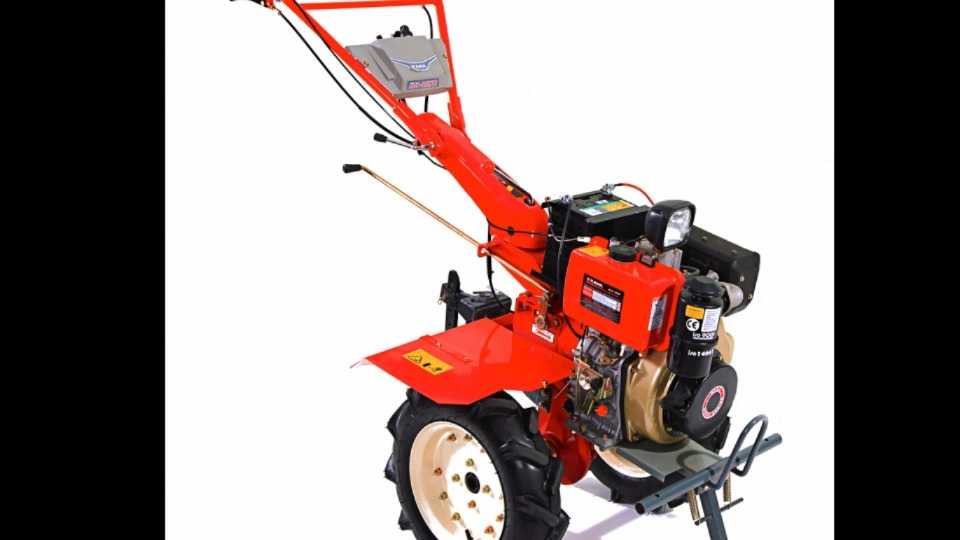
Two wheel tractor
This device is a type of tractor that has only two wheels, which are its driving wheels. The steering of the two-wheeled tractor is manual, and the driver either walks behind it or sits on the device attached to it. This device has a PTO output that provides the required power for the connected tools. The tools attached to the two-wheeled tractor include a pair of wheels to move the machine, rotary blades, plows, and ditches, which are usually traction. differences and similarities of the tractor and the trillculocole
Usually, two-wheeled tractors and tiller cultivators are divided into two gasoline and diesel categories in terms of engine. The power of each of these engines is different. The type of diesel tiller and two-wheeled tractors are suitable for heavy agricultural work. The gasoline model of these two products is more useful in small plots and light agricultural operations.
It is possible to install more types of tools on two-wheeled tractors. But the possibility of installing tools on tillers is more limited. Therefore, by using two-wheeled tractors, it is possible to perform various tillage operations. Due to the fact that the two-wheeled tractor has more capabilities, it should be noted that its price is higher than the tillers. The design of most tillers is such that it only has the ability to adjust the height. But the steering wheel design of two-wheeled tractors is completely different. In two-wheeled tractors, in addition to adjusting the height of the steering wheel based on his height, the operator can turn the steering wheel at different angles and easily move behind the machine. It is used in two-wheeled tractors using chassis to move the steering wheel to the sides and up and down. In tillers, the wheels of the machine are usually removed during operation, and rotivator blades replace the wheels. But in two-wheeled tractors, the blades are attached to the back of the machine and the wheels remain in place. This makes it easier to control the device. Because in tillers, the blades take the place of the wheels, there will be a lot of vibrations on the operator while working with the machine, but in two-wheeled tractors, the presence of wheels during tillage operations makes it easier to guide the machine and causes less pressure on the operator's arms. enter