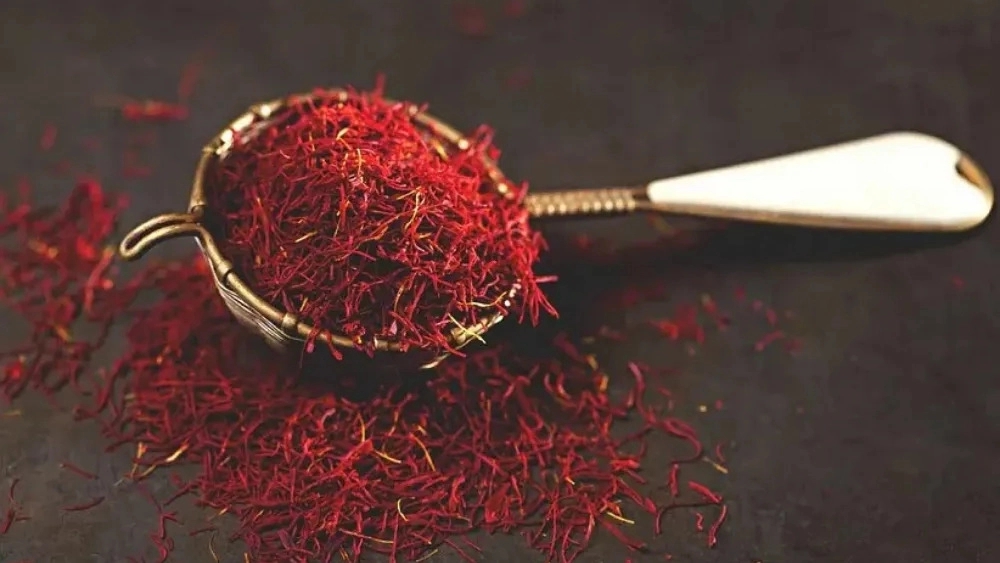
Saffron is a spice obtained from the dried stigmas of the saffron flower (Crocus sativus). The history of its cultivation dates back to more than 3500 years ago in ancient Greece. For a long time, this product has been considered not only as a powerful colorant in cooking, but also because of its many medicinal properties. In traditional medicine, saffron is known as a nerve tonic, mood improver (natural anti-depressant), and strong antioxidant. Its main applications include food, pharmaceutical, natural dyes and cosmetics industries. The intrinsic value of saffron is due to the difficulty of extracting it.
Why is quality saffron expensive? Investigating the complex process of harvesting and processing
The expensiveness of saffron is directly related to the time-consuming and labor-intensive process of harvesting it. Each saffron flower has only three stigmas, which must be picked manually, in the early hours of the morning, before the petals fully open, in order to maintain the desired quality. This process should be done quickly. To produce one kilogram of dried (quality) saffron, between 110 and 150 thousand flowers are needed on average. After harvesting, the drying step (depending on the traditional or industrial method) must be done very carefully to preserve the active ingredients and minimize moisture. This intensive and expensive work is the main reason that has made saffron one of the most expensive spices in the world.
Looking at the chemical structure: the role of crocin, safranal and picrocrocin in quality determination
The economic and qualitative value of saffron is determined by three main chemical compounds:
- Crocin: is responsible for the strong yellow and orange color of saffron. The higher the amount of crocin, the greater the coloring power and, as a result, the better the quality (in terms of color).
- Safranal: This compound is responsible for the distinctive aroma of saffron. The stronger the smell of saffron, the higher the safranal concentration. Excessive bitterness can indicate lower quality, but its presence is essential to distinguish authenticity.
International standards grade saffron based on the ratio of these chemicals, and this grading has a direct effect on the buying price of quality saffron.
Key factors determining the purchase price of quality saffron
Determining the buying price of quality saffron is a multi-unknown equation that is influenced by internal production factors and global fluctuations. Understanding these factors is essential for every buyer, both end consumer and major buyer.
Standard grading and its effect on price
The quality of saffron is classified based on the length, thickness, color and purity of the stigmas. In Iran and ISO standards, this grading is very accurate:
- Gem saffron: It is the best type that contains only pure red stigmas. Because it does not have the yellow or orange parts (which are less valuable), it has the highest purchasing price of quality saffron.
- Sargol saffron: stigmas are separated and pure but may have some impurities.
- Poshal saffron: stigmas are sold with a small part of yellow cream (which is less valuable). Its price is much lower than Nagin and Sargol.
- Dokhtarpich saffron: It is a kind of pushal where the flowers are packed intact.
The difference in price between Nagin and Pushal grade can be several times, because each grade indicates the percentage of purity of the effective ingredients.
Geographical origin
Iran is the largest producer of saffron in the world and the quality of saffron is highly dependent on the climate. Regions such as Qaynat (South Khorasan), Ferdous and Gonabad produce saffron with high concentration of crocin and safranal due to suitable soil and special weather conditions. The saffron produced in these special regions, due to its global reputation for quality, usually has a higher purchase price of high-quality saffron than regions with average quality.
Harvest time and method
As mentioned, manual harvesting ensures that stigmas are not damaged and quality is maintained. Mechanical harvesting (which is less common on a global scale) can damage the stigmas and increase the penetration of moisture and dust, resulting in reduced quality and a lower final price. Harvest time is also critical; Harvesting at inappropriate times can lead to wilting and reduction of effective substances.
How to dry and store
One of the biggest risks in the saffron market is humidity. If saffron is not dried well (moisture above 8%), it will quickly become moldy and rotten. More traditional drying methods (with industrial machines) may make little difference in aroma preservation compared to more modern methods (such as vacuum or temperature-controlled tunnel dryers). Improper storage (away from direct light, heat, and humidity) can severely degrade the quality within a few months, so well-kept saffron has a higher price for purchasing quality saffron.
Global market volatility
The purchase price of quality saffron is influenced by macroeconomic factors. Global supply and demand, especially demand from large consumer markets such as Europe, India and China, play a decisive role. Also, the exchange rate (dollars against Rials) directly affects the Rial cost of this export-oriented product. Sanctions and logistical problems can also lead to an increase in supply costs and ultimately an increase in the purchase price of high-quality saffron.
How to recognize a quality saffron?
Recognizing the authenticity and high quality is the most important barrier that the buyer must pass to make sure that he has paid the best price for buying quality saffron.
Visual tests
The first step is to carefully check the appearance of the stigmas:
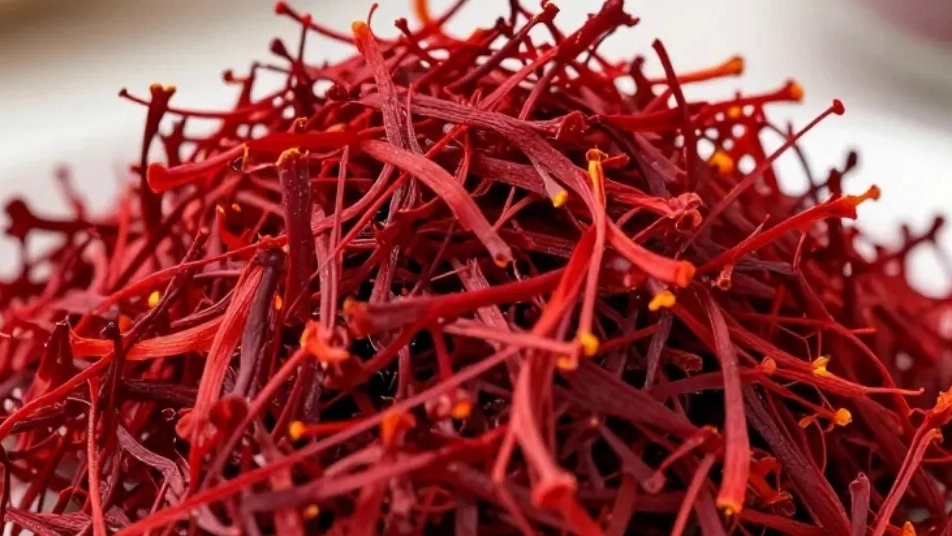
- Color: Quality saffron should be completely dark red or crimson. The presence of many yellow or orange parts indicates a lower grade or being pushal.
- Thickness and appearance: The stigmas of Negin saffron or Sargol should be long, relatively thick and have few cracks or tears. Very thin and fragile stigmas may indicate old age or excessive moisture.
- Absence of impurities: Pure saffron should not contain flower pieces, stamens or dust.
Sensory tests
- Fragrance (safranal aroma): Quality saffron has a strong, penetrating and pleasant aroma. If the aroma is weak or it smells of dirt and residue, the quality is low.
- Taste (distinct bitterness): It should be bitter. A sweet or bland taste indicates adulteration or a very low picrocrocin percentage. Note that the bitterness should be balanced and not disgusting.
Simple science experiments (at home)
To make sure faster, simple tests can be done:
- Cold water test: Put some strands of saffron in a glass of cold water. Quality saffron releases its color gradually and the final color will be orange-yellow. If the dye spreads immediately and the water turns red, it is probably an artificial dye or adulterated saffron.
- Test for ease of dye dissolution: In adulterated or dyed saffron, the stigmas may turn white but the dye will not dissolve in the water. In genuine saffron, the stigmas release the color gradually, but they themselves still remain red.
Laboratory and certificates
For major buyers, the only way to ensure the best price for purchasing quality saffron is to request laboratory results. These results should include the percentage of crocin (color), safranal (perfume) and picrocrocin (taste) according to the national standard of Iran (ISIRI 1-1-259). Organic certifications or tests related to heavy metals also increase the credibility of the seller.
Strategies for buying saffron at the best price
The ultimate goal is to achieve a competitive price while guaranteeing quality. These strategies will help you save money when buying quality saffron.
Purchase timing
The best seasons to get the best price for buying quality saffron is usually immediately after harvest. The main harvest of saffron in Iran is done in autumn (November and December). During this period, supply is at its highest and prices tend to fall. Buying in this period (winter) usually means getting the freshest product at the lowest price compared to the next markets.
Wholesale versus retail
Purchasing in high volume always leads to lower unit price. For home consumers who need small quantities, it is more cost-effective to buy small packages from reputable suppliers. But for restaurants, pharmaceutical factories or exporters, buying in bulk (more than a few kilograms) can reduce the final price by 15-30%, provided that proper storage conditions are provided.
Removal of intermediaries
Each intermediate link in the supply chain (from the farmer to the local distributor, to the wholesaler and retailer) adds a percentage to the price. To reduce costs, the ideal strategy is to buy directly from reputable agricultural cooperatives or companies that own the farms themselves. This directly reduces the purchase price of quality saffron and increases the authenticity of the product.
Importance of certifications and vendor credit
Often, unrealistically low prices are a trap for selling fake, dyed, or mixed saffron. Accepting the risk of buying questionable cheap ones will result in a much higher cost (loss of credit or damage to health). Ensuring that you have standard certificates shows that you are paying the best price for quality saffron, not the cheapest price for a low quality product.
Important points in packaging
Appropriate packaging plays a vital role in maintaining the quality and guaranteeing the purchase price of high-quality saffron. Saffron should be supplied in metal packaging, dark glass or multi-layered melamine bags to prevent light and moisture penetration. If a seller offers improper packaging at a low price, it is likely that the quality of the product is being lost due to light or moisture.
Introduction of "good saffron"; Guaranteed quality and fair price
In a market where it is difficult to distinguish between different qualities, choosing a reliable brand guarantees your investment. "Safran Nikokar" was formed with the aim of creating a direct bridge between Iran's first-class farms and global consumers.
Introduction of philanthropic brand: philosophy and commitment
The philosophy of "Good Saffron" is based on three principles: Honesty in grading, stability in pricing and commitment to the farmer. We conclude long-term contracts with exemplary farmers in the main saffron production areas (Qaynat and Khaf), which ensures uniform and stable quality throughout the year. This commitment to quality ensures that you will always receive saffron of the highest Crocin standards.
Benefactor's competitive advantage: direct access to selected farms
The main advantage of "benevolent saffron" is in removing the intermediate layers, which was mentioned in section 4. We have eliminated unnecessary intermediaries by directly monitoring the harvesting and drying process at the farm site. This structure allows us to reduce additional costs and pass this savings on to our customers in the form of the best price to buy quality saffron without sacrificing quality for quantity.
Guarantee the quality of Zafaran Kakar
For each production batch, "Saffron the Good" conducts detailed chemical tests in accredited laboratories. We not only provide national standard certificates, but also can provide HPLC (High Performance Liquid Chromatography) test results for major buyers to accurately confirm the percentage of crocin, safranal and picrocrocin. This transparency is our guarantee for quality.
Customer experience and reviews
Our customers attest to the balance between premium quality (similar to standard gem grade) and competitive pricing at Zafaran Karkar. We believe that the best price to buy high-quality saffron is a price that reflects the true value of the product, not a price created by advertising or quality reduction.
Benevolent after-sales service
We provide strong after-sales services, including a money-back guarantee in case the product does not meet the stated specifications, as well as expert advice to choose the best type of saffron based on your application needs (cooking, pharmaceutical, export).
conclusion
Buying quality saffron is an investment that requires knowledge and trust. As you have seen in this guide, the best price to buy quality saffron is a combination of understanding the grades, knowing the timing of the market and choosing a transparent and direct supplier. Only with full knowledge can you avoid spending extra money on low-quality products.
We invite you to experience guaranteed quality and fair price at the same time. To view daily prices and receive expert advice on purchasing quality saffron, visit "Nikokar Saffron" products and start a safe purchase.