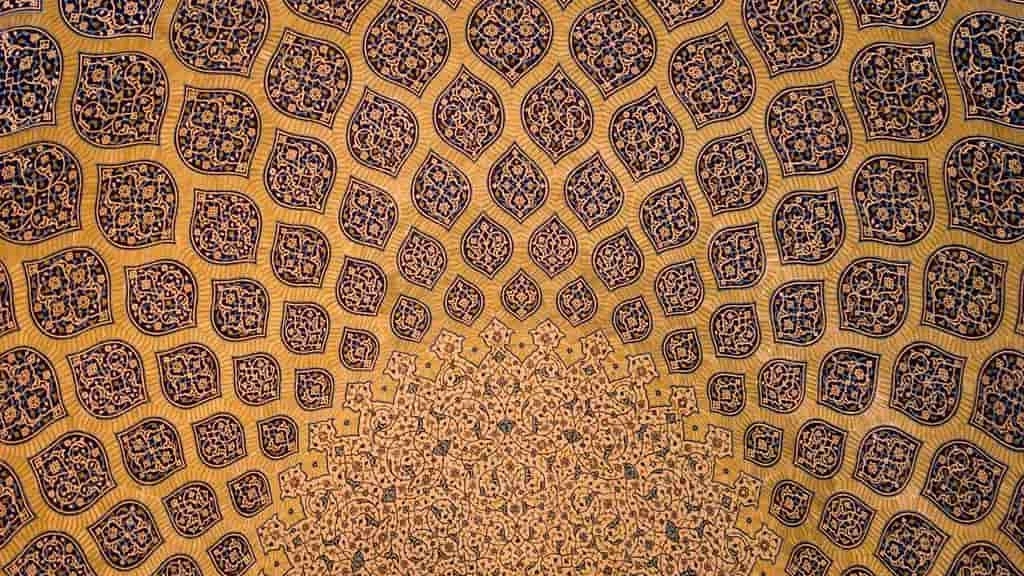
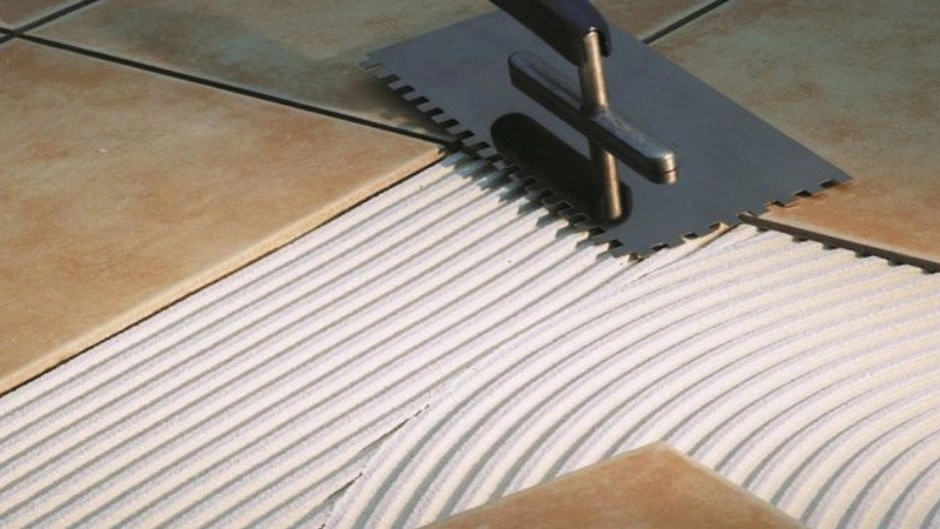
Decorative and artistic tiling is one of the most significant manifestations of Iranian art, which has exhibited unique effects throughout the history of Iran, especially in Tehran. This beautiful art, by using various colors and designs, not only increases the visual beauty of buildings but also carries historical, cultural and religious messages. In this article, we will examine the importance of decorative and artistic tiling in Tehran, its history, different techniques and styles, as well as the introduction of Rahmati antique restoration services.
The history of decorative tiling in Tehran
Tiling is one of the traditional arts of Iran, which has been performed in various ways in Tehran, from the Qajar era to the present day, due to its historical and cultural location. Colored and glazed tiles, decorated with geometric designs, flowers and birds, and decorative lines, have given a special effect to Tehran's historical buildings. During the Qajar era, with the influence of European styles as well as the continuation of Safavid traditions, tiling flourished and was used as an important covering to decorate government, religious buildings and aristocratic homes. This art has evolved over time with changing architectural tastes.
The importance of decorative and artistic tiling in Tehran architecture
In addition to the decorative aspect, tiling expresses the cultural and historical identity of the people of Tehran. In mosques, bazaars and permanent palaces, this art has a colorful presence as one of the important elements of traditional architecture. These decorations not only protect the clay and brick surfaces from environmental factors, but also add depth and meaning to the buildings by creating visual coherence. The symbolic geometric patterns and the use of Quranic verses and Persian poems on the tiles show the deep connection between Iranian architecture and worldview.
Various styles and techniques of tiling
Among the famous styles of tiling in Tehran, the following can be mentioned, each of which has its own technique and characteristics:
- Various Tiles: A complex technique in which tile pieces are cut and fitted together to create the final design. This style is mainly used in large decorations and religious environments.
- Seven-color tile: The most common style in the Qajar and early Pahlavi periods, where the designs are baked directly on the tile and decorated with the seven main colors. Inscriptions are used.
- Partial tiles (monochrome): Using simple and monochromatic tiles together to create texture or framing.
The use of attractive colors and the combination of various designs has kept this art alive and dynamic.
The role of "Rehabilitation of Antique Rahmati" in preservation and restoration of historical tiling
Rahmati Antique Restoration helps to preserve this valuable artistic heritage by taking advantage of its experience and expertise in the field of restoration and restoration of historical tiling. This collection professionally restores damaged tilings in accordance with the principles of authenticity and beauty. Their expertise includes the exact identification of raw materials, firing and glazing techniques similar to the original construction period of the building, so that no inconsistency in the historical context will be created after the reconstruction.
The benefits and importance of restoring decorative tiling
Tiling restoration not only preserves the visual beauty of historical buildings, but also helps preserve local culture and history.
This process increases the life of buildings and public knowledge of traditional arts.
How "Rahmati Antique Restoration" helps to preserve the art of tile work in Tehran
This center restores and replaces damaged and worn tiles using modern methods and quality materials. This replacement is based on the exact pattern of the remaining motifs and using minerals similar to the original composition of the glaze. Also, teaching and transferring technical knowledge to young artists plays an important role in reviving this art and ensuring its continuity in the future. This collection's commitment to technical accuracy in the implementation of designs such as dimensional fit, which is very vital in mosaic tiles, is considered one of the strengths of their work.