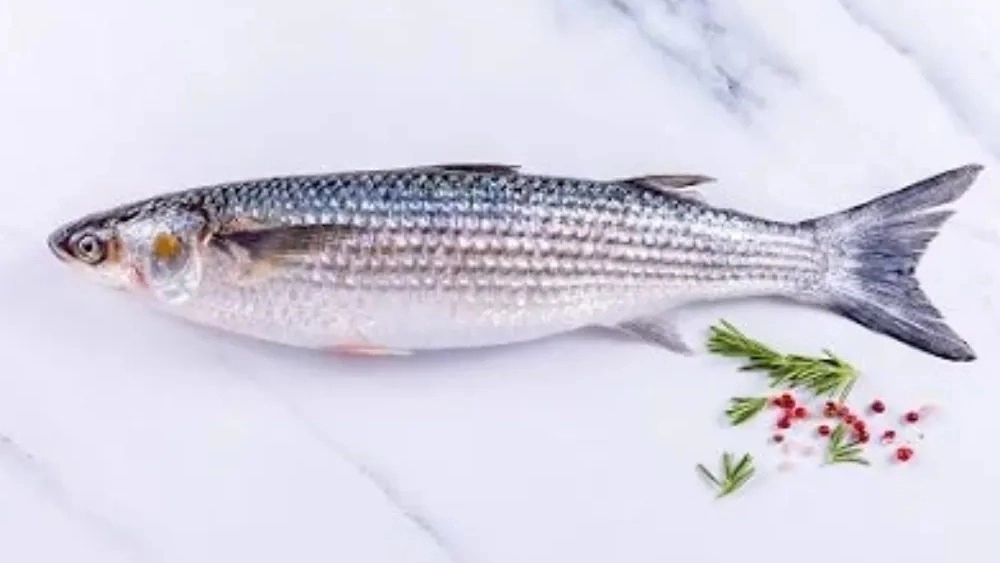


Iran is a country with four seasons, which benefits from the blessing of two abundant and rich seas in the north and south. The Caspian Sea, with its fresh waters, is home to valuable species such as the mullet, while the Persian Gulf and the Sea of Oman, with their rich ecosystems, offer an unparalleled diversity of aquatic life. In recent years, we have seen developments in the country's aquatic market that have crossed geographical boundaries. One of the most attractive and profitable fields of activity in this market is the issue of "buying mullet fish from the north in the south". This commercial phenomenon shows the change of consumers' taste, the intelligence of distributors and the need for diversity in the food basket of Iranian households. The mullet fish, with its soft, tasty and boneless meat, has been able to find a special place in the hearts and tables of the people of the southern regions of the country. In this comprehensive article, we examine all aspects of this business, from product features to logistics challenges and sales strategies in southern markets.
Recognition of mullet fish; The treasure of the Caspian Sea
Before entering into commercial discussions, it is necessary to get acquainted with the main product. Mullet is one of the most important economic species of the Caspian Sea, which is abundantly found in the coastal waters of Gilan and Mazandaran provinces. This fish is considered one of the best-selling fish in the Iranian market due to its high adaptability to different environments. The meat of the mullet is very delicious, white and has a dense texture, which makes it suitable for all kinds of cooking (grilled, fried, vegetable stew, etc.). In terms of nutrition, buying mullet fish from the north in the south and consuming it has many benefits for the people of these regions. Mullet is rich in omega-3 fatty acids, which are vital for cardiovascular health. Also, the presence of vitamins D and B12, phosphorus and iodine in this fish has made it a natural supplement to strengthen the immune system. In the north of the country, mullet is also consumed in traditional ways such as smoked, but in the southern market, it is mostly offered fresh or frozen. This difference in the way of consumption requires accurate marketing knowledge to succeed in sales.
Why is the demand for buying northern mullet in the south increasing?
The question may be raised, why the areas that are by the sea and have rich fishing grounds, should get fish from thousands of kilometers away? The answer to this question lies in the taste of consumers and the type of fish caught in the south. Most of the fishes caught in the Persian Gulf and the Sea of Oman are warm-water type and have many small bones (such as lionfish, stonefish, white halvah, etc.). Eating these fishes requires special skills and may be difficult for children and the elderly. On the other hand, mullet has large and central bones that are easily separated. This feature has made buying mullet from the north in the south an ideal option for families looking for healthy and hassle-free food. In addition, southerners love fish and are always looking for variety. The presence of mullet fish in southern markets increases the diversity of the food basket and offers a different option next to local fish. Restaurants and hotels in the south also use this fish in their menu to attract domestic tourists.
supply chain and logistics; The main challenge of the north-south route
The most important part in the business of buying mullet fish from the north in the south is the issue of transportation and maintaining the quality of the product. The distance between the northern ports (Astara, Anzali, Fereydunkanar) and the southern ports (Bandar Abbas, Chabahar, Bushehr) is very large, and traveling this route requires a well-equipped logistics fleet. Fish is a perishable product and if it is not kept at the right temperature, it quickly loses its quality and becomes dangerous for consumption. To be successful in this route, traders must use trucks equipped with industrial refrigerators (Reefer Trucks) that are able to keep the temperature between 0 and 4 degrees Celsius constant along the route. Passing through the central regions of Iran, which have very high temperatures in summer, is a big challenge for refrigeration systems. Any technical defect or travel delay can cause cargo damage and heavy financial loss. Therefore, companies that buy mullet fish from the north to the south must sign long-term contracts with reliable transport companies to ensure that the shipments reach the customer on time and with the desired quality.
Target markets in the south of the country
For a business that intends to enter the field of buying mullet fish from the north in the south, it is necessary to know the target markets in detail. Southern provinces each have their own characteristics. In Khuzestan province and especially Ahvaz city, due to the existence of the Karun river and the culture of fish consumption, the demand for mullet fish is very high. Ahvaz people cook fish in different ways, and mullet is a popular choice for "mahi pilou" and "gebi mahi". In the province of Bushehr and Hormozgan, despite the rich fishing grounds, but due to the presence of a large population of military, industrial workers and tourists, there is a very large consumer market. In these areas, the purchase of northern mullet in the south is mostly done by large supermarkets, chain stores and hotels. Also, in the months of Muharram and Safar, the demand for fish increases due to the nature of traditional foods, and traders must plan carefully for these peak days. Chabahar city, as the only ocean port in Iran, also has the potential to export this fish to neighboring countries, which can be another attractive market.
The role of cold storage in distribution
One of the key elements in the strategy of purchasing mullet fish from the north in the south is the presence of well-equipped cold storage warehouses in the destination. Since fishing in the north is seasonal and fishing is prohibited at some times (such as the spawning ban season), continuous supply of goods in the south is not possible without the possibility of storage. Leading traders in the south, by renting or building standard cold storage facilities, store mullet during peak fishing seasons (autumn and winter) and inject into the market during low seasons (summer). This stabilizes the price and increases the profitability of the business. Also, keeping fish in the cold room makes it possible to process it. For example, mullet can be filleted, cleaned or even marinated in cold storage to create more added value. Therefore, investing in the cold chain is one of the secrets of success in the North-South mullet market.
Pricing and profitability in this business
Determination of the price in the northern mullet market in the south depends on several factors. The rate of catch in the north, the cost of transportation, the price of fuel, the wages of drivers and the amount of supply and demand at the destination, all affect the final price. Usually, the price of mullet fish in the south is slightly higher than in the north, and this difference is caused by logistics costs and transportation risk. However, due to the high volume of consumption in the south, the profit margins are attractive for distributors. By buying directly from fishermen or fishing cooperatives in the north, traders can reduce the cost by cutting out middlemen. Also, wholesale sales to fishmongers and restaurants create a guaranteed profit. Daily monitoring of prices in Tehran's Mehrabad markets (which acts as an intermediate point) and southern markets is necessary for making correct decisions in buying and selling.
Important points in maintaining and supplying to the final customer
For someone who buys mullet from the north in the south, the quality of the product is his most important asset. Southern customers are very sensitive to fish freshness. The fish should have clear eyes, bright red gills, and a hard, shiny body. The smell of fish should not be strong or unpleasant. Sellers must follow hygiene rules. Using clean and hygienic ice, washing dishes and using gloves will gain the trust of the customer. Also, offering additional services such as cleaning fish (smoking or filleting) can be a great competitive advantage. In Southern culture, many customers prefer to buy fish cleaned. Therefore, stores that offer this service will be more successful in selling northern mullet in the south.
Export opportunities from southern ports
It is interesting to know that the business of buying northern mullet in the south is not limited to domestic consumption. The neighboring countries of the Persian Gulf, such as the UAE, Qatar and Kuwait, are good target markets for Iranian mullet. These countries have a large immigrant population and have a high demand for seafood. Traders can earn significant foreign exchange profits by transporting mullet fish from the north to southern ports and then exporting it to Arab countries. Of course, this work requires compliance with international health protocols and having export licenses. But the income generation potential in this sector is very high and can multiply the financial turnover of the aquatic trade.
Challenges of competing with southern native fish
Despite the popularity of the mullet, it is not easy to compete with the southern native fish. Fish such as "shir" and "white halva" have a deep-rooted place in the food culture of the southern people and have their fans in Pakistan. In order to be successful in the North-South mullet buying market, one must focus on the competitive advantages of mullet. Fewer bones, a more affordable price than some southern luxury fish, and a milder flavor that appeals to all palates are among the advantages. Word-of-mouth advertising and educating customers about how to cook and the properties of mullet can help this product penetrate more in the market. Restaurants can change the taste of customers by offering new dishes based on mullet fish.
The future of this business according to the development of transportation
With the development of rail and road infrastructure in the country, the route from north to south has become smoother. The completion of highway projects and the increase in the number of refrigerated trucks have reduced the cost and time of transportation. This has a direct positive effect on the northern mullet buying market in the south. In the future, it is predicted that this business will leave the traditional mode and go to the commodity exchange and online transactions. Manufacturers and exporters can use digital platforms for ordering and payment, which increases transparency and speed. Also, due to the government's emphasis on the development of non-oil exports, there will be support for the activists in this field, which can give more prosperity to the market.
conclusion
Finally, it can be said that the business of buying northern mullet fish in the south is a golden opportunity for aquatic activists. This business not only fulfills people's nutritional needs, but also causes economic development and employment in various logistics, transportation and sales sectors. Despite challenges such as maintaining the cold chain and competing with local fish, but with proper management, investment in cold storage and accurate market knowledge, the profitability of this work is guaranteed. As an ambassador of the Caspian Sea, mullet has managed to win the hearts of the people of the south and build a strong bridge between the two seas of the north and south of the country. To enter this market, research, planning and cooperation with experienced people is the key to success.