
Diagnosis of heart disease using echo
What is echocardiography and how is it done?
Types of echocardiography to diagnose heart disease
Advantages of diagnosing heart disease using echo
Affordable cost: compared to other methods, echocardiography is affordable in terms of cost.
The use of echo in the diagnosis of various heart diseases
Examination of valvular heart disease
Impairment in the function of heart valves can cause insufficiency or stenosis. By diagnosing heart disease using echo, the doctor checks the opening and closing of the valves and possible blood leakage.
Evaluation of the function of the ventricles
Echo helps measure the contraction strength and function of the left and right ventricles. This issue is very important in the diagnosis of heart failure.
Diagnosis of congenital heart defect
In children and even fetuses, echo can reveal structural abnormalities of the heart. Early diagnosis of these problems allows more effective treatment.
Identifying fluid accumulation around the heart
Pericard disorders or accumulation of fluid around the heart (pericardial effusion) can be clearly seen by echo.
Checking clots and heart masses
Clot formation in the heart cavities can be very dangerous. In this situation, echo is one of the most accurate diagnosis tools.
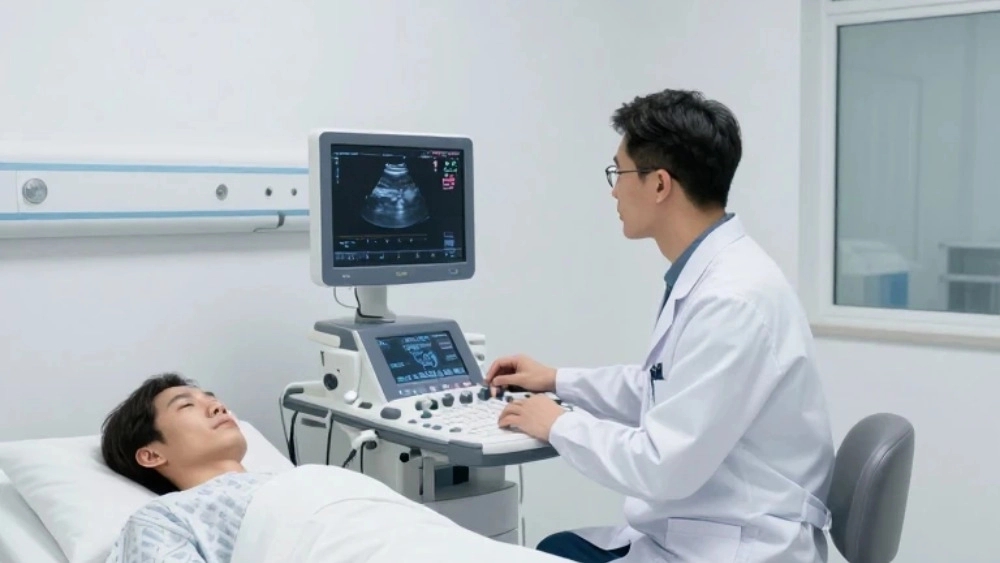
The process of echocardiography is done in a precise and standard way. The process is as follows:
The patient is placed in a lying position.
A special gel is applied on the chest to make full contact with the skin.
The technician or doctor places the device probe on different points of the chest.
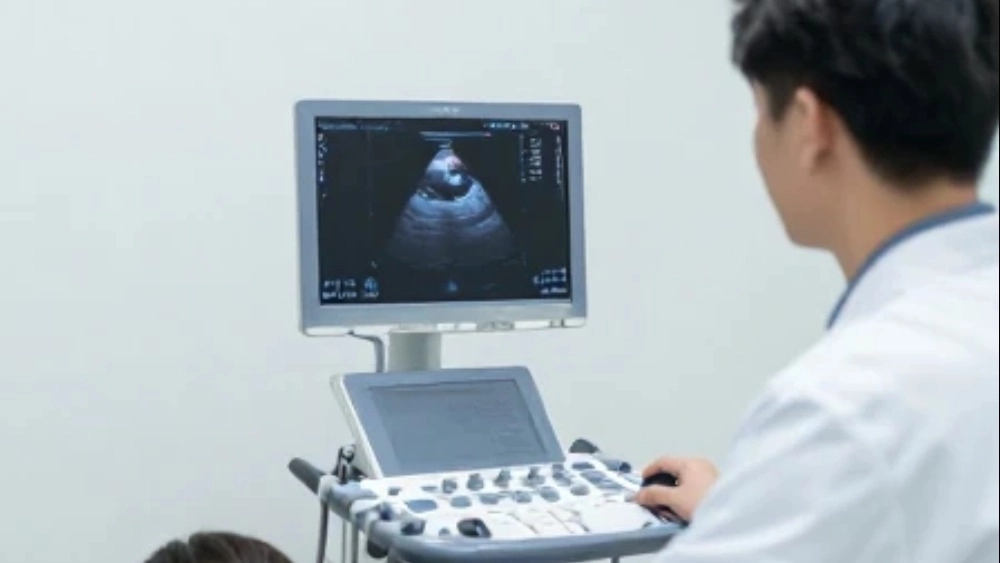
Images of the heart are displayed on the monitor and the doctor analyzes it.
The whole process usually takes between 20 and 30 minutes and does not require hospitalization.
The role of echo in the prevention of heart diseases
Due to the increase in heart diseases caused by an inappropriate lifestyle, periodic heart check-ups are especially important. Performing echo on a regular basis, especially for people with a family history of heart disease, can be effective in preventing heart attacks or strokes.
Who should have an echocardiogram?
In fact, any person who has symptoms such as shortness of breath, chest pain, extreme fatigue, or severe heart palpitations, should see a doctor to diagnose heart disease using an echocardiogram. Also people who:
They have high cholesterol and obesity
They smoke
They should regularly use echo to check heart health.
The difference between echo and other diagnostic methods
Unlike CT scan or MRI, no radiation or contrast material is used in the diagnosis of heart disease using echo. In addition, echo is a faster, less expensive and safer method that can provide a live image of the heart's function.
conclusion
Finally, it can be said that the diagnosis of heart disease using echo is one of the most key steps to identify, prevent and treat heart diseases. The simplicity, accuracy, and safety of this method have made doctors use it as the first line of checking patients' heart conditions.
If you are looking for a reliable center for echo repair with high precision and specialized interpretation, visiting Arad Salamat Parsian Health is the best choice. This collection has taken an effective step in maintaining the heart health of the community with its commitment to the quality of services and the satisfaction of the collections.
با ما تماس بگیرید.