



🌿 The best time to plant spring peas; The golden beginning of a fruitful harvest
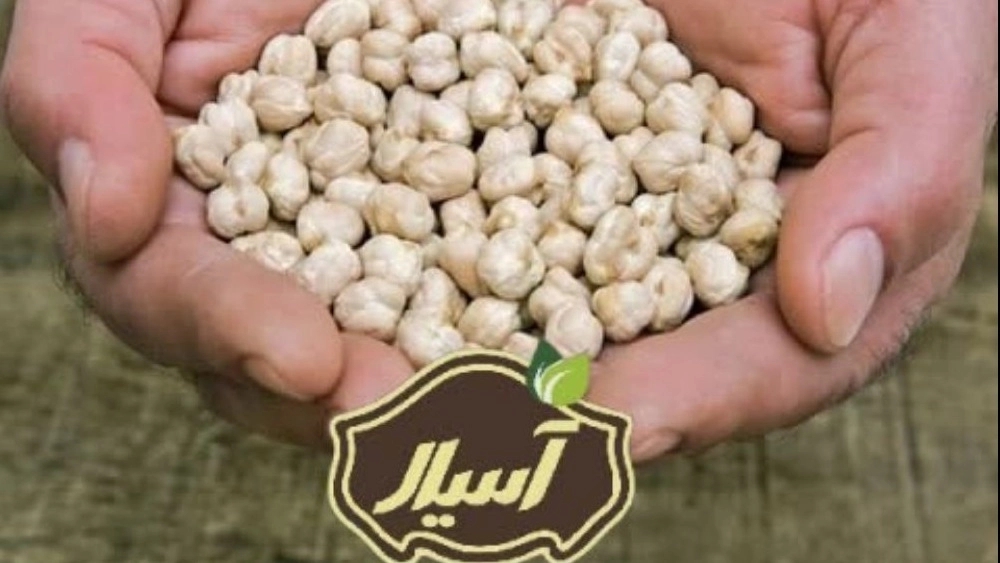
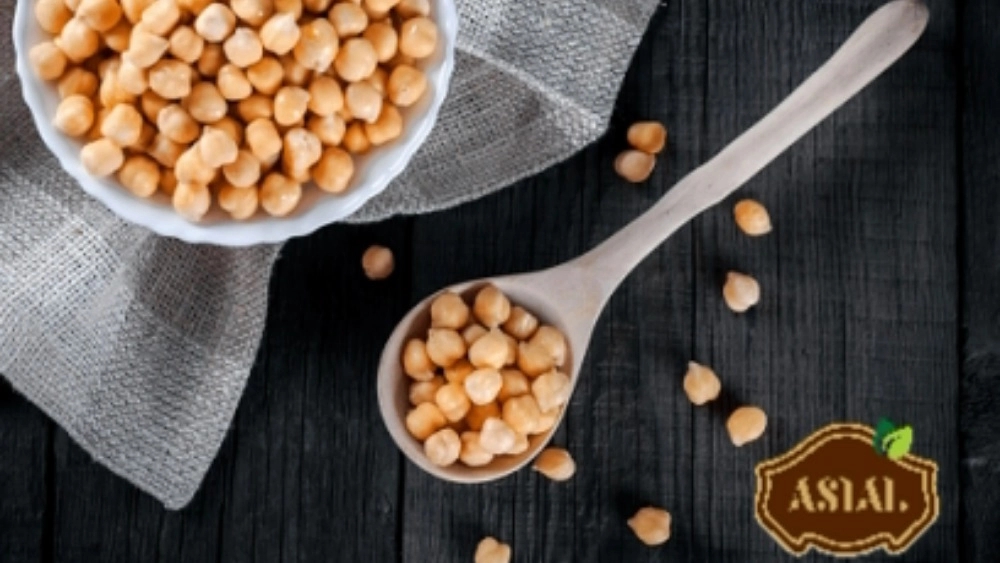
Cultivation of spring peas is one of the smart ways to optimally use agricultural land in Iran. Chickpea is one of the most popular legumes due to its high resistance to dehydration, ability to adapt to different soils, and many nutritional properties. This plant is not only a rich source of vegetable protein, but also plays an effective role in improving soil structure and nitrogen fixation.
But the point that experienced farmers always emphasize is choosing the right time and the right seed for planting spring peas.
If the exact planting time is observed and original and improved seeds are used, the yield of agricultural land will increase significantly
📅 The exact time of planting spring peas in different regions of Iran
In Iran, climatic conditions and temperature are significantly different in different parts of the country, so the planting time should be chosen according to the weather situation.
- In cold regions such as Hamedan, Kurdistan and Kermanshah, the best time to plant spring peas is from the second half of March to the first half of April; At this time, the soil still has enough moisture and the probability of seed freezing decreases.
- In temperate regions such as Lorestan, Arak and Zanjan, the optimal sowing time is usually from late March to early May.
- In tropical regions such as Khuzestan and Ilam, sowing should be done earlier - around mid-Bahman to early March - so that the plant can reach the flowering stage before the intense summer heat.
Pea is a plant that is resistant to low temperature in the early stages of growth; But the late spring cold can damage the new buds. Therefore, the key point in choosing the planting time is to avoid sudden cold after germination.
🌱 The importance of choosing the right seed in the cultivation of spring peas
Seeds are the beating heart of agriculture. Even if there is fertile land and enough water, the use of low-quality seed can greatly reduce the yield.
The modified spring pea seed Goran and Bionich has characteristics such as growth uniformity, resistance to common pests (such as mites and pea weevils) and tolerance to dehydration.
Asiaal Trading, in cooperation with the country's seed and agricultural research centers, has provided and supplied seeds that are genetically stable and have health certificates from reputable authorities.
The difference between blue and dry pea seeds; Selection based on climatic conditions
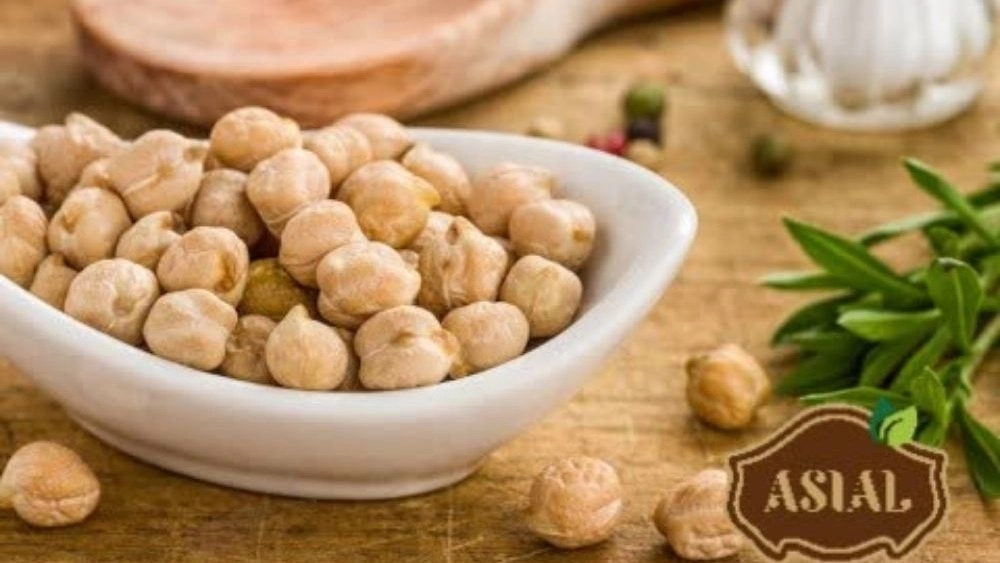
Farmers are often faced with two options when buying seeds: wet seeds and rainfed seeds. The main difference between these two types of seeds is their need for irrigation and the type of soil.
Blue pea seeds
This type of seed needs regular supply of moisture through irrigation. Its roots are developed to absorb more water and the plant is able to have a stronger vegetative growth. The result of using blue seed is larger seeds, brighter color and higher yield per hectare.
Water seed is more suitable for areas with access to sufficient water sources, such as irrigated plains or lands with aqueducts and wells.
dry pea seeds
In contrast, rainfed seeds are selected for areas with limited rainfall or shallow soils. These seeds maintain their growth by taking advantage of the natural moisture of the soil, even in the driest conditions.
Actually, rainfed chickpea seeds have a high ability to store moisture and stable performance in drought conditions.
Climatic and soil conditions suitable for spring chickpea cultivation
Spring peas often grow best in light to semi-heavy soils with proper drainage. The ideal soil pH is between 6 and 8. Soils that become swampy after irrigation disrupt plant growth.
The ideal temperature for pea seed germination is between 5 to 10 degrees Celsius, while the optimal growth of the plant occurs at 15 to 25 degrees.
Cultivating chickpeas on lands that were used for grain cultivation the previous year gives the best results, because in addition to reducing pests, it causes better nitrogen fixation in the soil.
Technical and practical recommendations to increase performance
- Preparation of the soil with deep plowing and softening disk: helps to make the soil uniform and the roots spread freely.
- Disinfecting the seeds before planting: With the recommended fungicides, seed diseases can be prevented.
- Using phosphorus and potash fertilizers: These elements play a role in the germination and pod formation stage. have a key.
- Cultivation with regular intervals: The distance between the lines is about 30 to 40 cm and the planting depth is 4 to 6 cm.
- Weeding in the early stages of growth: It is especially effective in rainfed cultivation.
Why is Asial trading the choice of professional farmers?
Asiaal Trading is not only a seed supplier; Rather, it is a professional companion for farmers. With the aim of supporting the production chain until harvest, this collection offers various services and facilities:
- 🔹 Guarantee the quality of seeds with high quality and high yield
- 🔹 Provide expert advice about climatic conditions, soil type and the right time for planting
- 🔹 Fair price and bulk purchase for large farms
- 🔹 Fast and reliable delivery across the country with standard packaging
- 🔹 Support of agriculture experts In all stages from planting to harvesting
Using several years of experience in the field of supplying long-stemmed dry and spring and autumn chickpea seeds, this group is currently recognized as one of the main suppliers of modified spring chickpeas in Iran.
Advantages of buying spring pea seeds from Asial
- Seeds with a germination percentage of over 95%
- Uniform growth and excellent resistance to environmental stresses
- Sealed packages with a valid production and expiration date
- Offering free and specialized advice by phone and online
- Guaranteed money back in case of dissatisfaction with seed quality
Farmers' opinion about Asial seeds
Several farmers from Kermanshah, Hamedan, Lorestan and Khorasan Razavi provinces have mentioned in their experiences with Asyal seeds, an increase in the average harvest up to 2.5 tons per hectare.
They believe that these seeds have produced more uniform growth, more pods and seeds with higher protein content than their previous levels.
🌾 Last word; From smart selection to successful harvesting
Spring chickpea cultivation, if done with knowledge and planning, is one of the most profitable and sustainable options in Iran's agriculture. By choosing the right time, following the principles of planting and using Asial's modified seeds, you can easily increase the yield of the farm and obtain high profitability.
Asiaal Trading is by your side so that every step from planting to harvesting becomes a successful and satisfying experience.
Contact Asial consultants now to get high-quality blue or dry pea seeds and start your growing season blessedly.