
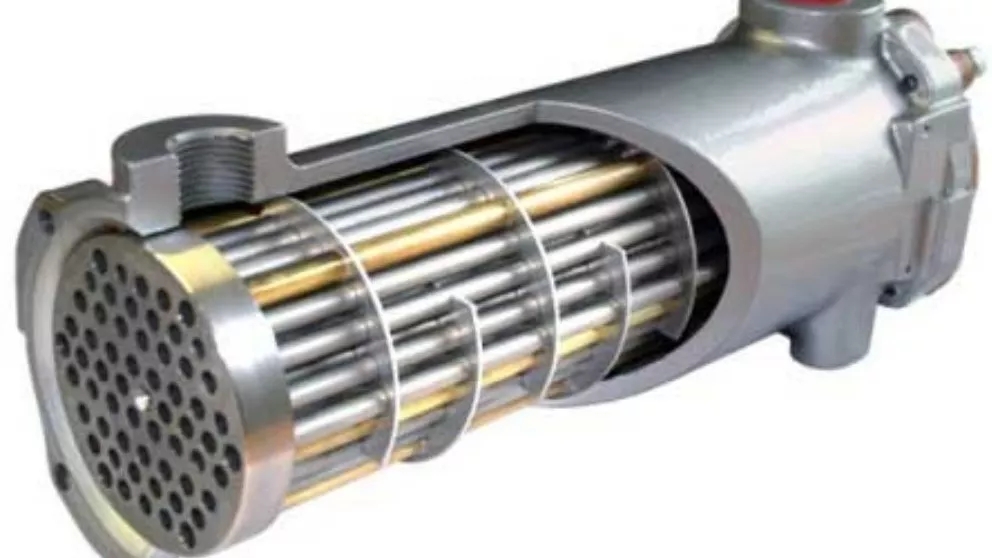
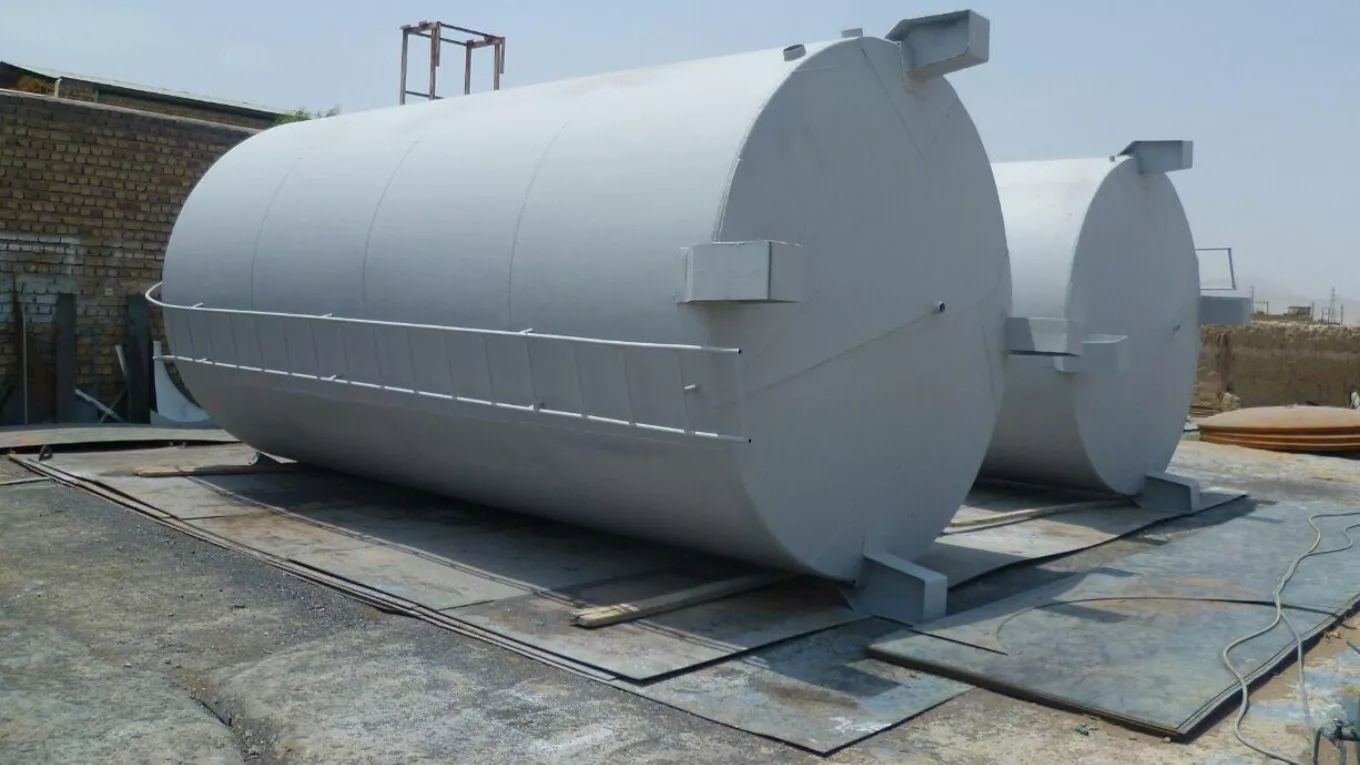


Types of heat exchangers are divided into two groups, low pressure and high pressure, in terms of working pressure, and in terms of structure, they are divided into the following types: 1. Tube converters 2 . Shell and tube converters 3. Air-cooled converters or fans (dry coolers) 4. Screen converters
✳️ Tube heat exchanger (or two tubes) ✳️
In this type, a tube with a small diameter is placed inside another tube with a larger diameter and concentrically, and heat transfer is done between the two fluids through the wall of the smaller tube. This type is the simplest type of converter, the biggest disadvantage of which is the lower heat transfer capacity compared to other converters due to its low heat exchange level. This type is mostly used for heat exchange between gaseous fluids. Also, this type can be used when the pressure of one of the two fluids or both is high. The advantages of the two-tube converter are: simple design Low construction cost Simple flow control Easy cleaning Application in high pressures Note: One of the most important disadvantages of this type of converter is that it has a small heat transfer surface and is only suitable for small and low-capacity converters, an example of which is shown in the figure below. .
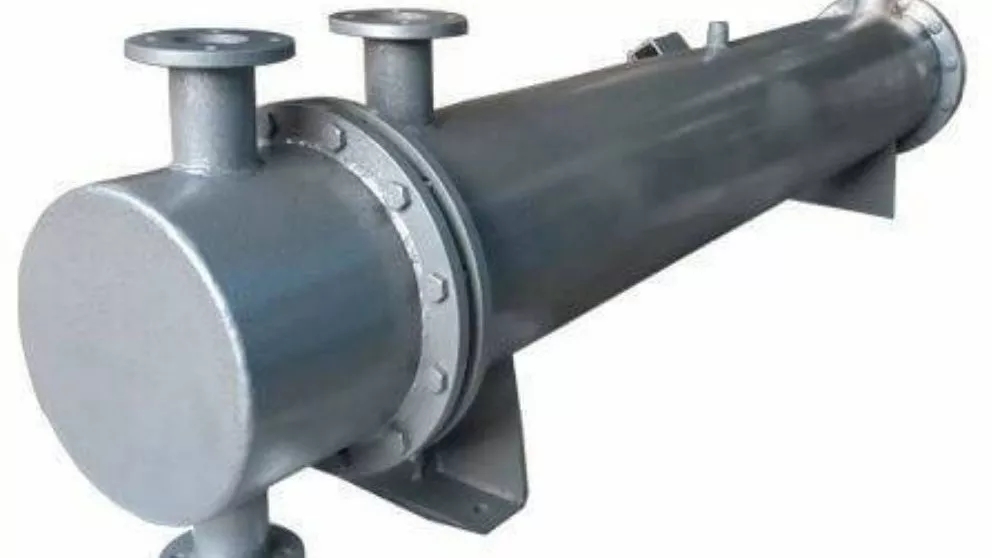
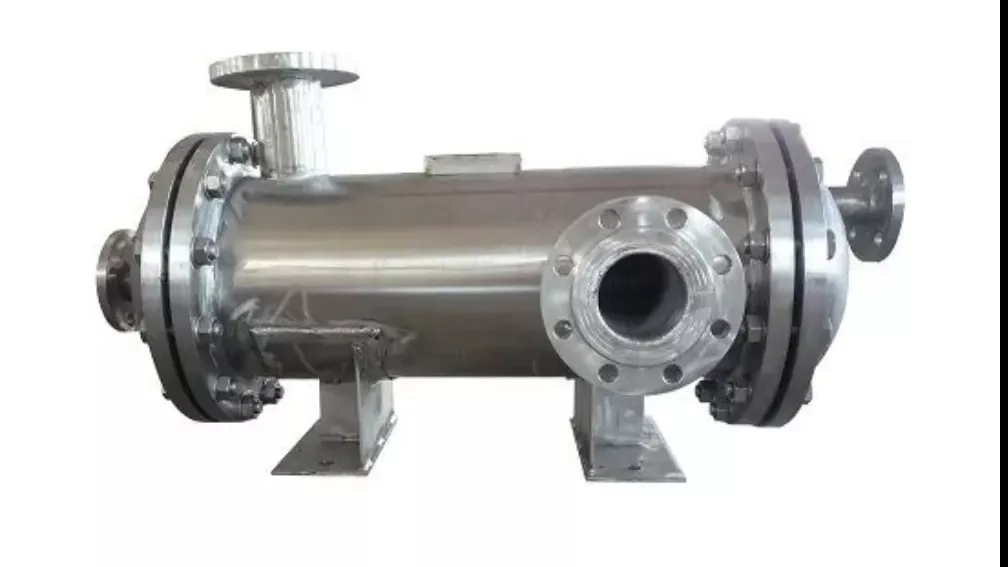
✳️ The thermal of the shell and the tube
✳️
Plate heat exchanger consists of a large number of metal plates that are placed next to each other with a small distance and are sealed in relation to each other with a pattern of one in the middle. One fluid enters it as high temperature fluid and one fluid as low temperature fluid, and they exchange heat with each other through the metal surface of these plates. These plates create a large heat transfer surface, and for this reason, the dimensions of this type of exchanger are small (compressed). One of the disadvantages of these converters compared to shell and tube (shell and tube) converters is that they bear less pressure and for high pressure applications plate type is usually not used.
✳️ Cool air converters (cooler drive) ✳️
Types of air-cooled heat exchangers, which are also called fan-based or dry coolers, consist of one or a number of coils (multiple reciprocating tubes with fins around them) and one or a number of fans (such as car radiator) in which the high temperature fluid passes through the coil and due to the air blowing by the fans from the outer surface of the coil and as a result of the collision of air particles with the hot surface of the tubes and blades of the coil, excess heat from the fluid with temperature is taken up Air-cooled exchangers are divided into vertical, horizontal and V-shaped types.