

(Comprehensive Guide) Advantage of Walnut Grafting: Economic and Qualitative Leap in Modern Horticulture
Introduction
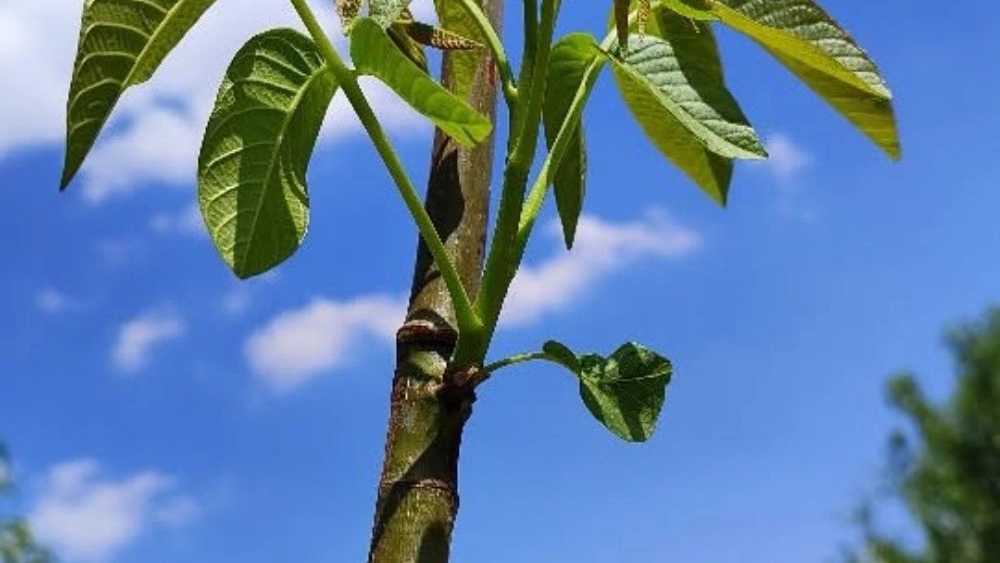
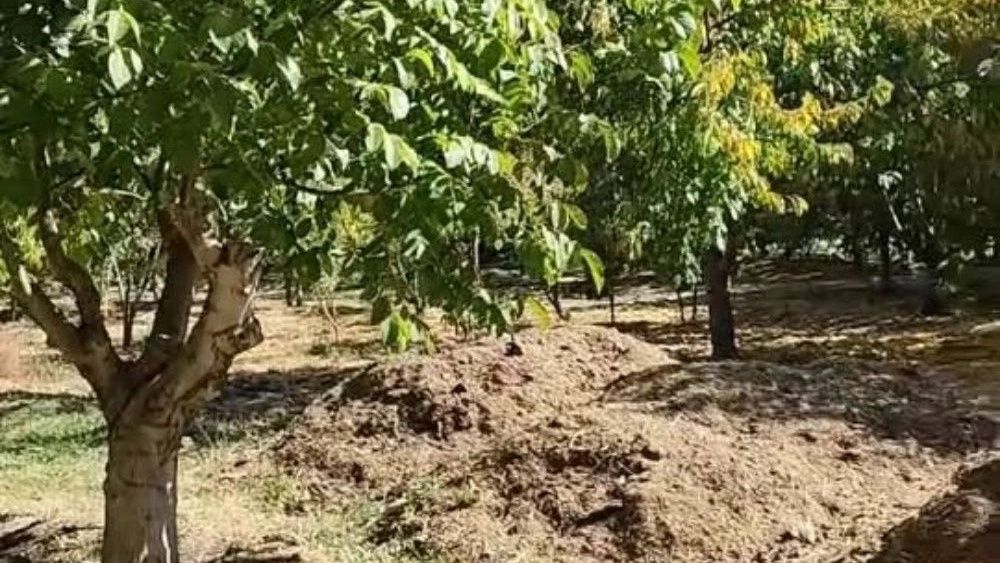
For years, walnut trees have been planted as seeds in the traditional gardens of Iran; Although the method is low-cost, it confronts the gardener with challenges such as late fruiting (beginning of fruiting after 7 to 10 years), non-uniformity of the product and a sharp decrease in economic efficiency. Today, transplanting walnut seedlings as a scientific and practical solution has completely changed this equation. In this article, we will clearly examine the benefits of walnut grafting from quantitative, qualitative and managerial aspects.
1) Significant increase in quantity and solving the problem of aging
The most important motivation for switching to transplanted seedlings is the jump in the yield rate. Statistics show that the yield of transplanted walnuts per hectare is at least three times that of seeded walnuts. If one hectare of seed walnut yields 2 tons, grafted cultivars have the capacity to produce up to 6 tons of quality products.
In addition to the quantity, the destructive phenomenon of alternate bearing in the grafted walnut is minimized. Due to genetic and gender changes, seed trees are high-yielding one year and low-yielding the next. But transplanted trees with proper nutrition management have a balanced and increasing yield every year.
2) The uniformity of the garden and the rise of mechanized agriculture
One of the hidden but very expensive disadvantages of seed orchards is the lack of genetic uniformity of trees. In these gardens, each tree has a different flowering time, ripening time and even the shape of the fruit. This variety makes it impossible to manage the garden.
According to the experts of Jihad Agriculture, the biggest advantage of walnut grafting is creating a uniform and homogeneous garden. When all the trees in the garden are of the same commercial variety:
· The possibility of mechanized harvesting is provided.
· Spraying and pruning operations are carried out at a specific time.
· Product quality for export becomes standard and competitive with global brands.
3) Improving the quality of the fruit: thin skin, white core and marketable
Today's customer is looking for a walnut with thin skin, light kernel and high fat. Walnut grafting, especially with commercial cultivars such as Chandler, Frenor and superior genotype, guarantees these characteristics.
In the grafting method, the graft is taken from the mother tree, which produces the best tasting and largest fruit. Unlike seed seedlings that may grow into walnuts with thick skin and small kernels, transplanted seedlings are an exact copy of the characteristics of the mother tree.
4) reducing costs and resistance to tensions
A) Resistance to diseases and pests:
One of the biggest challenges for gardeners is root and crown fungal diseases. By grafting, high-yielding commercial cultivars can be mounted on rootstocks resistant to diseases such as root rot and blight. This reduces the need to use pesticides and creates a healthier garden.
b) adapting to adverse conditions:
Nowadays, grafted varieties of walnut have been modified in such a way that they are produced for different climates. For example, Fernour (a French grafted variety) is late-flowering and survives late spring frost and apple worm attack. This means that the gardener can build an economic garden in areas with an altitude of 2400 meters.
5) Early maturity and quick return of capital
Seed walnut trees sometimes do not produce significant fruit for up to 10 years, but grafted trees, with proper management, enter the economic fruiting stage from the third to the fifth year. This reduction of the juvenile period has a direct effect on the profitability of the project and greatly reduces the risk of investing in horticulture.
Conclusion
Walnut grafting is not just a technical practice in horticulture, but an economic strategy. By gradually removing the old seed orchards and replacing them with certified transplanted seedlings, it is possible to produce a product with global standards while significantly reducing the consumption of water and pesticides. Although the initial cost of these seedlings is higher, the multifold yield and excellent fruit quality make it the best option for forward-looking gardeners.