
Polyethylene welding and implementation of peasant water supply networks in Fars and Isfahan: a new solution for sustainable water supply
Introduction
Polyethylene welding: a resistant and stable method
Polyethylene is a corrosion-resistant material that is very suitable for transporting water and fluids in water supply networks. Polyethylene welding is used as an economical and reliable method for connecting pipes in various water supply projects, including the Dehghan projects in Fars and Isfahan. This method is preferred in many projects due to its numerous advantages, including reducing the possibility of leakage and damage.
Polyethylene welding steps
Preparation of tubes:
For polyethylene welding, the pipes must first be cleaned carefully so that no pollution remains in the welding area.
Choosing the right equipment:
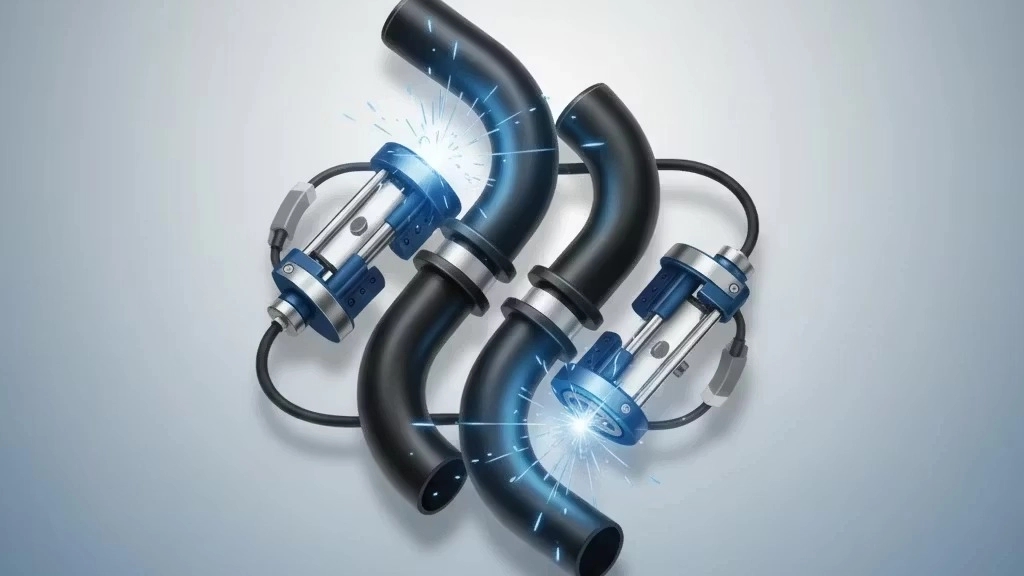
It is very important to use high quality polyethylene welding equipment, including automatic and hydraulic welding equipment.
Warming the edges:
At this stage, the edges of the pipes are heated to the appropriate temperature for welding. This process makes the polyethylene soft and ready to connect.
Connecting pipes:
After heating, the edges are joined and pressure is applied until the weld is completely formed. This step is very sensitive and should be done carefully.
Final inspection:
After welding, all joints should be checked for quality. Pressure tests are usually performed to ensure there are no leaks.
Implementation of peasant water supply networks in Fars and Isfahan
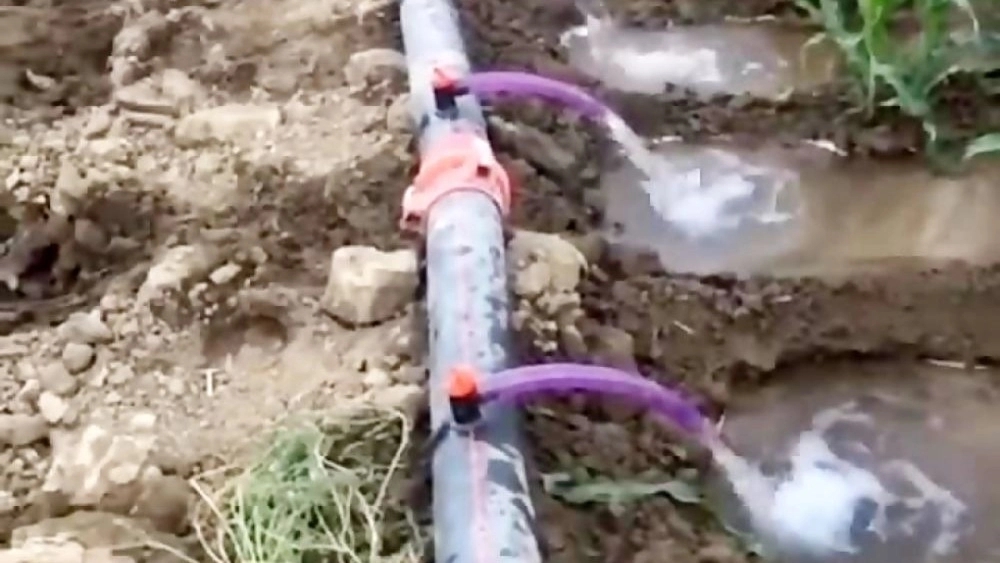
Water supply projects in different regions of Iran, especially in Fars and Isfahan, need sustainable and efficient solutions. In this context, polyethylene welding is considered as a key solution. These networks are usually used to provide drinking water and agricultural irrigation. Implementing these networks using polyethylene has many advantages:
High resistance to temperature and pressure changes: Polyethylene water supply networks are resistant to different weather conditions and high water pressures.
Long lifespan: these networks have a long lifespan due to their resistance to corrosion and environmental damage and require less maintenance.
Economic savings: due to quick and easy installation, the installation and maintenance costs of these systems are much lower than traditional systems.
Dehghan projects: the effect of polyethylene welding on improving water supply conditions
Peasant water supply projects in Fars and Isfahan regions are especially intended to provide agricultural water. Polyethylene welding in these projects plays an important role in reducing costs and increasing efficiency. These projects are usually implemented in areas where access to water resources is limited and the use of resistant and sustainable water supply networks is of particular importance.
conclusion
Polyethylene welding as a new technique in the implementation of water supply networks, especially in Dehghan water supply projects in Fars and Isfahan, improves the quality of water supply and reduces water leakage problems. This method is known as one of the main solutions in water supply projects in Iran due to its many advantages in terms of cost and performance.
According to the ever-increasing population growth and the need to provide water resources, the use of these methods in future projects can help solve water supply problems in different regions of the country.
برای دریافت مشاوره تخصصی، بازدید پروژه و استعلام قیمت با مشاورین ما تماس بگیرید.