
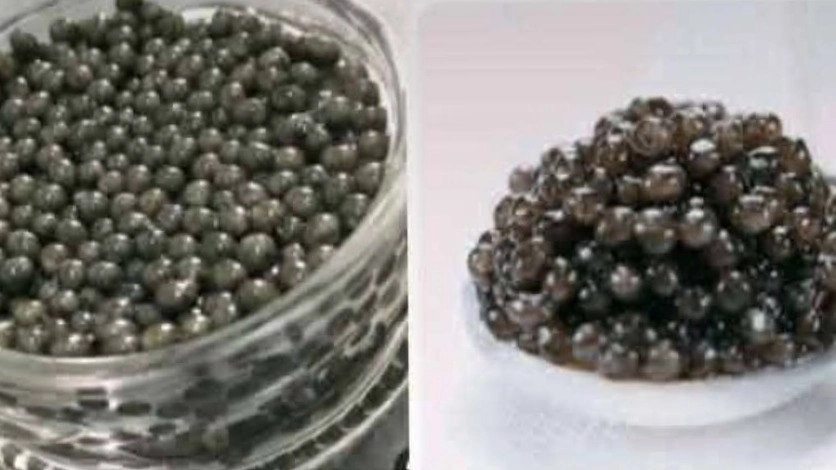
In recent years, Iran's food industry has managed to stabilize its position in the world markets by using its natural capacities and modern technical knowledge. Meanwhile, caviar exports in Dadnam food industry play a very important role as one of the main pillars of foreign exchange earnings and national branding. Having the Caspian Sea, Iran is rich in sturgeon fish, which has long been known as "black gold". Relying on standard breeding farms, advanced fishing and processing processes, and strict compliance with international standards, Dudanam Food Industries Company has been able to provide superior quality products to foreign customers. This article deals with a comprehensive review of the production process, export challenges, marketing strategies and economic value of this product in Dadnam company. Also, considering the fluctuations of the market, the important issue of caviar price per kilo of 90 million Tomans and the factors affecting it will also be discussed in order to present a clear picture of the current market situation to the readers.
The strategic position of caviar in Iran's economy and exports
Caviar is considered not only a luxury food product, but also a strategic product in Iran's economy. The export of this product has a significant contribution to the country's non-oil income due to its very high added value.
Iran's competitive advantage in caviar production
Iran is one of the key players in the global caviar market due to having a suitable climate in the Caspian Sea and a long experience in breeding sturgeon fish (such as Phil Mahi, Balfour and Stroda). Despite hunting bans in the wild and strict CITES rules, caviar farming in aquarium farms has flourished as a sustainable and legal solution. Dadanam Food Industries by investing in this sector, has been able to create a complete chain from cultivation to packaging and export, which guarantees the authenticity and quality of the product.
Export target markets
Caviar production and processing process in Dadnam
The quality of exported caviar is directly affected by the breeding, catching and processing process. In Dadanam Food Industries, these processes are carried out with the highest accuracy and compliance with HACCP and ISO standards.
Sturgeon breeding and feeding
Sturgeons are kept in aquarium pools with strict control of water parameters (temperature, oxygen, salinity). Feeding these fish with completely natural diets without the use of antibiotics or growth hormones ensures that the eggs have an authentic taste and are free of any chemical contamination. Continuous monitoring of fish health by the expert veterinary team prevents the occurrence of diseases.
Non-aggressive fishing and egg harvesting
Unlike traditional methods that lead to killing fish, non-aggressive fishing methods are used in modern farms such as those associated with Dadnam. The eggs are harvested manually and very carefully so as to cause the least physical damage to the caviar seeds. This accuracy in harvesting has a direct effect on the appearance and final texture of the product.
Processing and salting (Curing)
The most important stage in caviar processing is the salting stage. The ratio of salt to egg, resting time and ambient temperature are the factors that determine the taste, texture and shelf life of caviar. Experienced technicians at Dudanam with many years of experience carry out this step carefully to produce caviar with uniform grains, beautiful color and balanced taste. First-class caviar is usually classified into three categories: classic, prime and court.
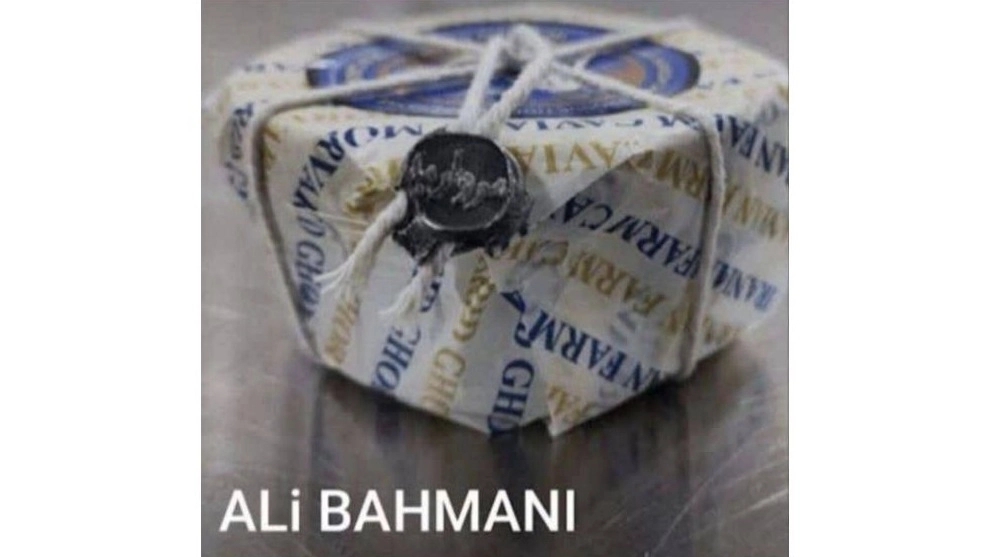
Export challenges and risk management solutions
Despite the high potential, caviar exports in food industry face challenges that require smart management.
Trade barriers and customs tariffs
Changes in international trade laws and customs tariffs can affect the final price of the product. Also, the strict import laws of some countries (such as the European Union) require complex health documents and certificates. Having a strong legal and commercial team, Dudanam identifies these obstacles and prevents customs problems by obtaining international certificates and cooperating with experienced clearance agents.
Transport and cold chain
Caviar is a very sensitive product to temperature. Any temperature fluctuations can lead to rapid spoilage and loss of product quality. Therefore, the use of refrigerated transport systems with precise temperature and humidity control is an undeniable requirement. At Dudnam Food Industries, the cold chain is carefully managed from the moment it leaves the factory to the end customer. The use of insulated packaging and special jelly ices guarantees the freshness of the product during the trip.
Caviar price analysis and factors affecting it
One of the most important concerns of buyers and exporters is determining the exact price. In the world markets, the price of caviar is determined by several factors, including the type of fish, the size of the grain, the amount of salt, the manufacturer's brand, and the exchange rate.
The price of caviar per kilo is 90 million tomans
Factors affecting pricing
- Type of fish: Philatelic caviar is usually the most expensive type of caviar because it has larger grains and a richer flavor. Belfort and Stroda caviar are in the next ranks, respectively.
- Quality grade: Caviar that has uniform seeds, transparent color and balanced taste, are offered in higher categories and at a higher price.
- Packaging: Luxury packaging suitable for gifts or use in high-end restaurants, can affect the final price.
- Exchange rate: Since the caviar market is global, fluctuations in the dollar and euro rates have a direct impact on pricing in the domestic market.
Export pricing strategy
In export markets, pricing is usually based on dollars or euros. By providing products with competitive quality and excellent after-sales service, Dudanam has been able to offer reasonable prices compared to European and Asian competitors. This strategy has increased Iran's market share in global markets.
Marketing and branding of Khaviar Dadnam
To be successful in exporting caviar in the food industry, careful marketing strategies are required.
Attending international exhibitions
Participating in international food and marine exhibitions is a great opportunity to introduce products, network with buyers and understand market trends. By actively participating in these events, Dadnam has been able to establish valuable business connections with large food companies and luxury restaurants around the world.
Digital marketing and social networks
Using multilingual websites and social networks to introduce the brand story, production process and product features helps attract new customers. Providing transparent information about breeding farms and quality standards increases the trust of foreign customers.
Cooperation with luxury restaurants
Cooperation with star restaurants and five-star hotels in the target countries is an effective way to introduce Dadnam caviar to end consumers. Offering free samples and training services to chefs can lead to long-term purchasing contracts.
conclusion
Caviar exports in Dadnam food industry are a symbol of Iran's ability to produce luxury products with global quality. Relying on advanced production processes, compliance with international standards and smart marketing strategies, this company has been able to establish its position in global markets. The price of 90 million Tomans per kilogram of caviar also shows the high value of this product and the costs associated with its standard production. The bright future of this industry is drawn with further development of breeding farms, innovation in packaging and expansion of export markets. Dadanam Food Industries by continuing this path, not only helps to generate foreign exchange income, but also presents a positive image of Iran's food industry in the world. For order and more information, you can contact the export unit of this company.
راهکارهای نوین صادرات خاویار صنایع غذایی دادنام
برای سفارش و استعلام قیمت لطفا تماس بگیرید