
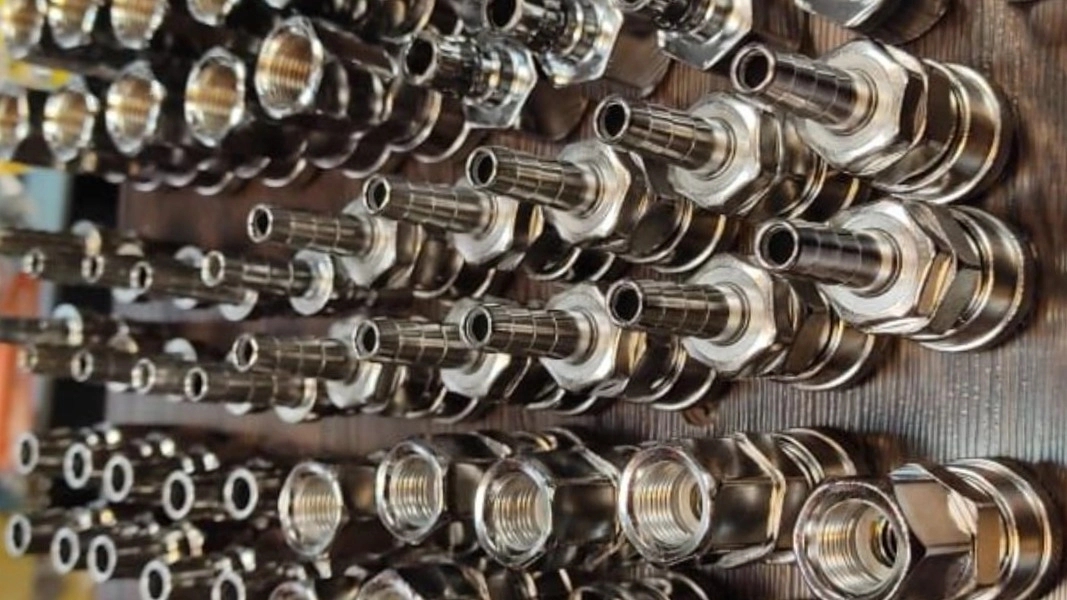
In pneumatic systems, air tools and industrial equipment, reliable communication between the source of compressed air and the consumer is very important. One of the most important parts that is in charge of this task is cobling wind. This small piece looks simple, but its role in providing stable flow, preventing air leakage and increasing the performance quality of wind instruments is very key. In this article, with a comprehensive and specialized review, we explain the types of wind cobbling, construction materials, standards, advantages and important points for its purchase and maintenance.
What is wind coupling?
Air coupling is a part that is used to quickly and easily connect the air hose to the compressor, air tools and other pneumatic equipment. This part is designed so that the compressed air flow is transmitted without pressure drop and without leakage. The main task of wind coupling is to create a safe, fast and reliable connection between the system components so that the user can connect or disconnect the necessary tools to the wind flow without wasting time.
The importance of wind coupling in pneumatic systems
In any pneumatic system, the quality of the connection has a direct role in the performance and efficiency of the tools. If the air coupling is not standard, it will lead to leakage, pressure drop, reduced power of the tool and increased energy costs. For this reason, the use of suitable and standard wind coupling is one of the important principles for the health and operation of wind systems.
Types of wind couplings in terms of application
1. Two-way wind coupling
This type of wind coupling is used to divide the output air of a source into two separate paths. In workshops where several wind tools are used, two-way wind coupling allows the simultaneous use of two tools. High efficiency, easy installation and proper strength have made this model very widely used.
2. Tee Wind Coupling
Three-way wind coupling is designed to divide the air flow into three independent paths. In industrial environments and repair shops where several users work with the compressor at the same time, this model is considered the best choice. If three air tools are used, three-way air coupling helps to distribute the air pressure between the tools without significant drop.
3. One-way wind coupling
This type of wind cobbling has a one-way structure that prevents the return of air. Using this model increases safety and prevents damage to equipment.
4. Heavy industrial wind coupling
This model is for heavy industrial environments such as production lines, forging workshops and factories. High pressure tolerance, high durability and corrosion resistance are its main features.
5. Domestic and semi-industrial wind coupling
Many users use semi-industrial models for car air pumps, light tools or small workshops. Good quality and economic price are the advantages of this group.
Material and materials of wind coupling
The quality of raw materials is very effective in the performance and lifespan of cobbling wind. The most common materials are:
1. Brass wind coupling
- High resistance to rust
- Long service life
- Excellent sealing
- Suitable for long-term use
2. Steel wind coupling
- High pressure tolerance
- Suitable for heavy industrial environments
- Impact resistant
3. Aluminum wind coupling
- Light weight
- Simple installation
- Suitable for portable tools
4. Reinforced plastic wind coupling
- Light weight
- Suitable for light use
- Economic option for non-industrial works
Advantages of using standard wind coupling
Using a quality wind coupling has many benefits, including:
- Preventing air leakage
- Increasing the life of the compressor
- Increasing the power of pneumatic tools
- Fast and easy installation and disassembly
- Reducing energy consumption
- Resistance to high pressure
- Usability in harsh working conditions
Important points when choosing a wind coupling
To buy a suitable wind coupling, you should pay attention to the following points:
1. Size and connection standard
Cobling wind is available in various sizes. Choosing the correct size makes the tool work better.
2. Wind coupling material
Depending on the type of work, you should choose the right material. For industrial environments, brass or steel models are better.
3. Fast connection type
Many models are designed as a quick connection, which makes the work easier and safer.
4. Work pressure tolerance
Choosing the air coupling compatible with the compressor pressure is very important.
5. Sealing quality
A quality wind cobbling must be completely leak-free in order to fully transmit wind flow.
Applications of wind cobbling in different industries
- Mechanical workshops
- Car repair shops
- Industrial production lines
- Wood and carpentry industries
- Professional painting
- Air sprayers
- Construction workshops
In all these applications, air cobbling plays an important intermediary role for compressed air transmission, and its quality can have a direct impact on productivity.
Methods of maintaining and increasing the life of wind coupling
Observing maintenance tips will increase the life of this piece:
- Keeping the joint clean
- Preventing moisture accumulation
- Checking for leaks periodically
- Using quality hoses
- Brief oiling if needed
These tips make wind cobbling have a stable and long-term performance.
summary
Air coupling is one of the essential parts in pneumatic systems and air tools. This small but very important part is responsible for transferring compressed air by maintaining pressure and preventing leakage. The correct choice of a high-quality wind coupling can have a significant effect on increasing work efficiency, reducing energy consumption, and increasing the life of equipment.
Due to the importance of the material, size, type of connection and quality of construction, the use of standard wind coupling is necessary for reliable operation in workshops, industries and domestic use.
If needed, it is possible to get all kinds of wind cobbling in different sizes and models, and with the right choice, you can benefit from a powerful, efficient and leak-free wind system.