
What is a vane element? Application, benefits and buying guide
Meta description: Vane element is one of the best thermal elements for hot air circulation in industrial devices. In this article, learn about the performance, types, advantages and applications of the vane element.
The vane element is one of the types of thermal elements that are used to generate heat and quickly transfer it to the ambient air. Due to the presence of metal fins around the main element, these elements have a very high thermal efficiency and are used to heat the passing air in ventilation systems, small furnaces, industrial heaters and many production devices. In the following, we will examine the structure, performance, benefits and applications of this element.
What is a vane element?
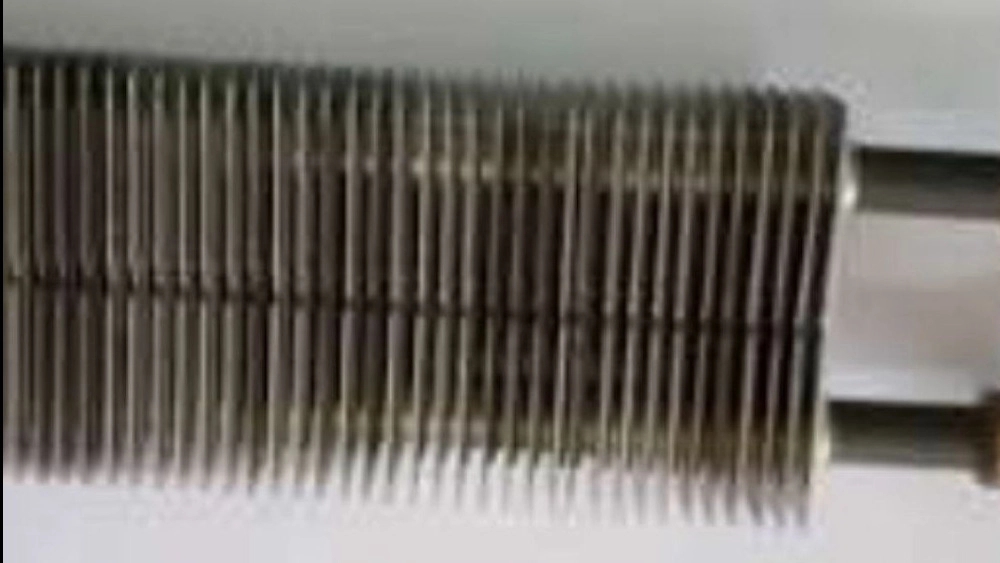
The blade element is a type of electrical element that consists of a heat pipe (heater rod) and metal blades are placed around it. These fins increase the contact surface of the element with air and cause the heat to be transferred to the environment at a faster rate. For this reason, the vane element is very suitable for applications that require fast and uniform air heating.
Structure of vane element
The vane element consists of three main parts:
- Rod element (finned heater)
- spiral or star metal blades
- Insulators and metal connections
The spokes are usually made of galvanized, aluminum or steel and are welded or pressed to the bar element. The material of the vanes should be resistant to heat and corrosion to increase the lifespan of the element.
Function of vane element
The function of this element is simple but very efficient.
In systems where there is a fan, the air passes through the blades at a faster speed and the efficiency increases.
Types of vane element
Spear elements can be classified according to the following:
Use type
- Industrial (furnace, greenhouse, big heater)
- Semi-industrial (industrial heating, ventilation system)
- Domestic (in some electric heaters)
blade type
- flat blade
- spiral blade
- round fin (fin ringi)
Type of element
- Steel
- stainless steel
- galvanized
Vane element applications
The vane element is used in many industries, including:
- heating the passing air in the ventilation channels
- Industrial dryers
- Factory heaters
- Small furnaces
- Packaging devices
- Humidifier systems
- Operating rooms and environments requiring uniform heating
- Food and pharmaceutical production equipment
Advantages of vane element
Using the vane element brings the following advantages:
- Very fast heat transfer
- Increasing the heating surface due to the presence of fins
- Appropriate energy consumption
- Long life
- possibility of use in industrial environments
- Ability to customize length, diameter, power and blade type
Important points in buying a vane element
To choose the right element, pay attention to the following:
- required power
- Blade and tube material
- working voltage
- Dimensions and diameter of the element
- environmental conditions (humidity, dust, temperature)
- brand and build quality
Summary
The vane element is one of the best options for heating passing air in industrial and semi-industrial systems. High efficiency, good durability and customization capability have made this element widely used in many industries. By choosing correctly and paying attention to the purchase tips, you can benefit from the stable and long-term performance of this element.