
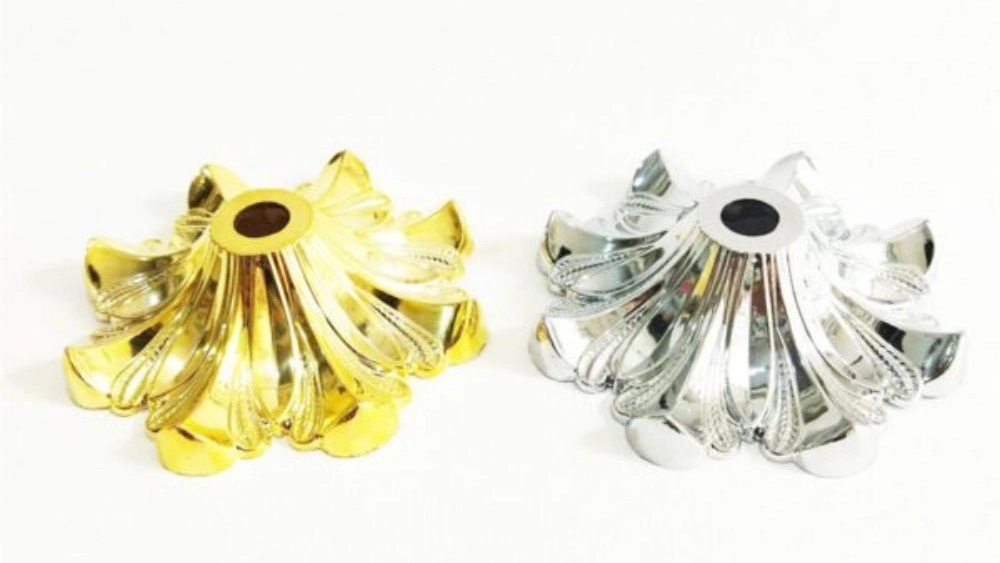
In recent years, the use of resin products in decorative industries and the production of decorative dishes has grown significantly. One of the most important components of these products is resin, which is used in making the base of decorative dishes, chocolate bars, sweets bars, fruit bars and many other decorative products. Many producers and activists in this field raise the question of what materials are resin fittings made of and what compounds make it strong and beautiful.
Knowing the raw materials for the production of resin fittings is very important, because the quality of the raw materials directly affects the durability, appearance and performance of the final product. In this article, we will fully examine what materials resin fittings are made of and what role each of these materials play in the production process.
What is resin patching and what is its use?
Before checking what materials are made of resin fillers, it is better to first familiarize ourselves with the concept of resin fillers.
Resin fittings are parts that are made of resin and complementary compounds and are used as a base, connector or decorative element in the production of decorative products. These parts are usually used in the base of resin containers, crystal bases, chocolate bars, candy bars, and other catering containers.
The popularity of resin fittings is due to features such as light weight, various design capabilities, suitable resistance and compatibility with resin containers. For this reason, many manufacturers in the decoration industry have turned to using resin fittings.
The main materials in the production of resin fittings
One of the most important issues in the resin fittings production industry is the accurate knowledge of raw materials. When we check what materials resin fittings are made of, we come across several main materials, each of which plays an important role in the quality of the product.
Base resin
The most important material in the production of resin fittings is resin. In fact, the main structure of these parts is made of resin. Resins are polymer materials that turn into a hard and resistant material after being combined with a hardener and placed in a mold.
Several types of resin are usually used in the production of resin fittings.
Epoxy resin
Polyester resin
Polyurethane resin
Each of these resins has its own characteristics and are selected depending on the type of product.
Epoxy resin has high transparency and good resistance and is mostly used in decorative products. Polyester resin is more economical for mass production and polyurethane resin is more flexible.
hardener or hardener
Another material that is very important in checking what materials are used to make resin fittings is hardener.
The ratio of resin and hardener must be exact. If this ratio is not followed correctly, the final product may suffer from problems such as brittleness, adhesion or color change.
Fillers or fillers
Filling materials are usually used in the production process of resin fittings. These materials increase strength, reduce production costs, and improve the mechanical properties of the product.
Among the common fillers, the following can be mentioned:
stone powder
talcum powder
Silica powder
calcium carbonate powder
These materials make the resin patch more resistant to pressure and impact. Also, the use of fillers reduces the consumption of resin and, as a result, reduces the cost of production.
Dyes and pigments
Another material that should be taken into consideration when checking what materials are used to make a resin patch are pigments.
Pigments are substances used to create color in resin. These materials can create different colors such as gold, silver, white, black or fancy colors.
In many resin fittings, metallic colors are used to make the product look like metal. This feature makes resin fittings have a very beautiful and decorative effect.
Reinforcing additives
Some of these add-ons are:
Anti-scratch additives
UV resistant material
Strength increasing materials
Anti-bubble materials
These materials make the resin patch more durable and will not change color or get damaged over time.
Molds used in the production of resin fittings
Although the mold is not considered as a raw material, it plays a very important role in the production process. Molds are usually made of silicone or metal and determine the final shape of the resin joint.
Silicone molds are very suitable for producing complex and decorative designs, because they are highly flexible and make it easy to separate the part from the mold.
The quality of the mold has a direct effect on the quality of the surface, details and beauty of the resin fitting.
Production stages of resin fittings
In order to better understand what materials are made of resin patch, it is necessary to check its production steps.
First, resin is combined with hardener and other ingredients. Then fillers and pigments are added to this composition. After the mixture is ready, the ingredients are poured into special molds.
In the next step, the resin starts to react chemically and gradually hardens. After a specified time, the part is removed from the mold and polishing and cleaning operations are performed on it.
In some cases, painting or protective coating is done on the piece to increase its beauty.
The importance of the quality of raw materials in the production of resin fittings
The quality of raw materials plays a very important role in the final quality of the product. If the raw materials are not standard, the resin patch may suffer from problems such as cracking, discoloration or loss of strength.
Using high-quality resin, standard hardener, and suitable fillers makes resin fittings have high durability and beautiful appearance.
Professional manufacturers usually use the exact combination of materials and suitable equipment for production to provide a standard and high-quality product.
Advantages of using resin fittings in decorative industries
Knowing what materials resin fittings are made of helps us better understand the benefits of this type of fittings.
Resin fittings are lighter in weight than metal fittings, and this makes it much easier to use in decorative containers. Also, the possibility of production in various designs has made this type of fittings very popular in artistic and decorative products.
Resistance against moisture is also one of the important advantages of resin bonding. Unlike some metals, this fitting does not rust in wet environments.
Also, the production cost of resin fittings is lower than many metal fittings, and this is why many manufacturers use it.
Resin patch applications
Resin fittings are used in various products. Some of its most important uses include the following:
base of resin dishes
Chocolate base
Pastry base
fruit eating base
Decorative dishes
Handmade decorative products
These wide applications show that resin fittings are one of the important components in the decorative products production industry.
summary
In response to the question that resin patch is made of what materials it should be said that this product is made from a combination of several main materials. Base resin, hardener, fillers, pigments and various additives are the most important raw materials in the production of resin fittings.
The correct combination of these materials and the use of appropriate molds make resin fittings of high quality in terms of strength, beauty and durability. For this reason, nowadays this type of fittings is widely used in the production of decorative dishes, resin products and decorative industries.
Knowing the raw materials for the production of resin fittings helps manufacturers to produce higher quality products and gain a better position in today's competitive market.