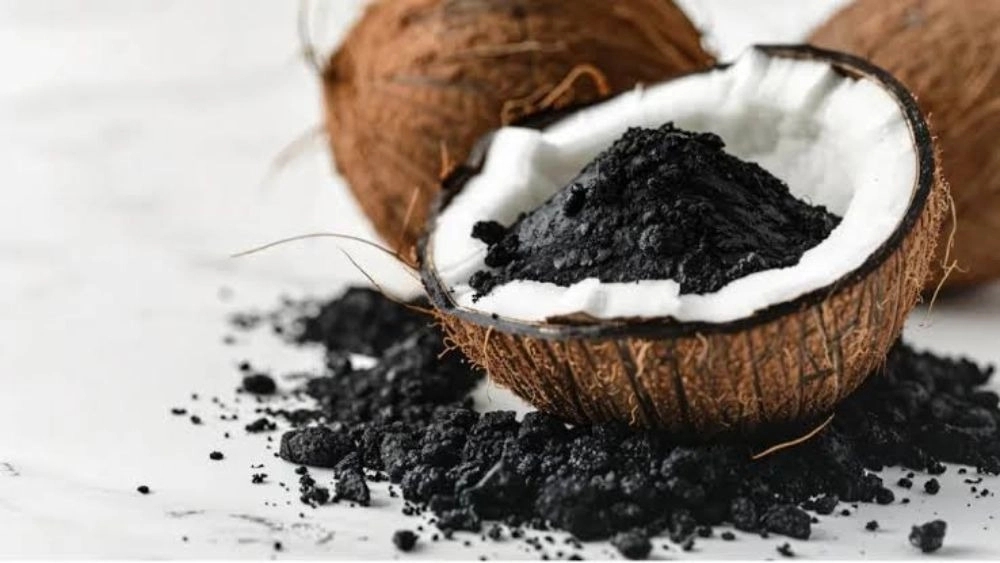


In today's world, the transition from fossil fuels to cleaner and more sustainable energy sources is not only a moral choice, but also an economic and environmental necessity. One of the most promising areas in this field is the production of coconut charcoal, which has found a special place in the domestic and international markets as a clean, high temperature and smokeless fuel. Iran has a high potential for the development of this industry due to its access to suitable raw materials, industrial infrastructure and strategic geographical location. Buying a coconut charcoal production line in Tehran and neighboring provinces can be the starting point of a profitable and environmentally friendly business.
In this comprehensive article, we will carefully examine the benefits of investing in this industry, the stages of setting up a production line, existing challenges and their solutions, as well as marketing and sales strategies. Our goal is to provide an operational and detailed roadmap for entrepreneurs and investors who intend to enter this growing market.
Chapter 1: Why coconut charcoal? Check the unique features of the product
Before any action, it is necessary to know the final product and its competitive advantages. Due to its porous structure and high hardness, coconut charcoal has characteristics that distinguish it from ordinary charcoal or mineral charcoal.
1.1. High heat and long burning life
One of the most important advantages of coconut charcoal is very high heat. These coals can produce temperatures of more than 1000 degrees Celsius and burn uniformly for a long time (sometimes more than 5 hours). This feature is very attractive for grills, international restaurants and small metallurgical industries. On the other hand, ordinary coals burn faster and produce a lot of smoke, which both affects the quality of food and is harmful to the environment.
1.2. No smoke and no smell
In the complete carbonization process, coconut charcoal loses almost all its volatile substances and tar. The result of this process is a product that does not produce black smoke and unpleasant odor when burning. This feature has made coconut charcoal a luxury and preferred product in the grill and barbecue market. Today's customers are looking for a clean and pollution-free experience, and coconut charcoal meets exactly that need.
1.3. Less ash and easier cleaning
After burning completely, coconut charcoal leaves a very small amount of white, powdery ash. This issue not only makes it easier to clean the barbecue table or grill, but also shows the high purity of the product. In metallurgical industries, this low ash means better recovery of metals and reduction of waste, which is economically very important for small and medium-sized factories.
1.4. Compatibility with the environment and circular economy
Coconut bran, which is the main raw material of this industry, is considered as agricultural waste in many producing regions (such as India, Indonesia and African countries). Using this waste to produce energy is a great example of circular economy. By purchasing a coconut charcoal production line in Tehran, you actually help reduce pollution caused by burning agricultural waste in fields and produce a high value-added product. This green approach is a big win for exporting to Europe and developed countries that have strict laws on environmental standards.
Chapter 2: Strategic benefits of buying a coconut charcoal production line in Tehran
Tehran, as the industrial and commercial center of Iran, has unique advantages for setting up and managing this industry. Understanding these benefits can be influential in your final decision.
2.1. Access to logistics and transportation infrastructure
Tehran provides easy access to domestic and export markets with Imam Khomeini International Airport, numerous railway terminals and communication highways to all parts of the country. Since coconut charcoal is a bulky but high-value commodity, transportation costs play an important role in profit margins. The location of the factory in the suburbs of Tehran or nearby provinces such as Alborz, Qom or Isfahan optimizes logistics costs. Also, access to northern (Anzali, Amirabad) and southern (Bandar Abbas, Chabahar) ports through Tehran's rail and road network makes it easy to export to Russia, CIS countries, Europe and the Persian Gulf.
2.2. Access to skilled and specialized workforce
Tehran is the center of concentration of skilled labor, mechanical, electrical and chemical engineers, and industrial managers. Access to these expertise is critical to running a modern production line that requires meticulous maintenance, quality control, and process optimization. You can easily recruit technical team, machine operators and technical consultants in Tehran. This reduces the costs of training and maintaining human resources compared to remote areas.
2.3. Access to spare parts and technical services
Purchasing a coconut charcoal production line in Tehran means you have access to the nearest after-sales service center, spare parts suppliers and maintenance specialists. Machinery failure in the production process can lead to line stoppage and financial loss. In Tehran, production line downtime is minimized because parts and technicians are readily available. This issue ensures the continuity of production and increases customer satisfaction.
2.4. Strong communication network and sales market
Tehran is the beating heart of Iran's economy. Being in or near this city allows for participation in industry exhibitions, e-commerce, and networking with major buyers, importers, and exporters. Many large trading companies are based in Tehran and can act as sales intermediaries for your products. Also, awareness of market trends and price changes can be observed faster in Tehran than in other parts of the country.
The third chapter: setup steps and required equipment
To start the activity, you need a complete production line, which includes various steps from the preparation of raw materials to the final packaging.
3.1. carbonization process
The most important part of the production line is carbonization furnaces. These furnaces should be designed in such a way that they heat raw materials (coconut husk or rice husk) in a closed environment without oxygen to turn into charcoal. There are many different types of furnaces, from traditional chimney furnaces to modern heat recovery furnaces. By recycling carbonization gases and using them as fuel, modern furnaces greatly increase energy efficiency and minimize pollution. Choosing the right furnace directly affects the quality and cost of the final charcoal.
3.2. Press and extruder machines
Raw coal is in the form of powder or irregular pieces. Hydraulic presses or extruders are used to convert it into standard shapes such as cylinders, cubes or rings. By applying high pressure and adding small amounts of natural glue (such as corn starch), these machines compress the charcoal and make it into the final shape. The quality of pressing has a direct effect on the hardness, density and burning time of coal.
3.3. Dryers
After pressing, the coals have moisture. High humidity causes charcoal to smoke when lit and heat up slowly. Dryers (such as conveyors or cylinders) use hot air to bring the moisture content of the coal to a standard level (below 5%). This step is very vital to ensure the quality of the final product and customer satisfaction.
3.4. Packaging line
Packaging is the showcase of your product. A moisture and impact resistant packaging is essential for export. Automatic or semi-automatic packaging machines can place coals in thick plastic bags, cardboard boxes or stretch pallets. Attractive graphic design and product information in different languages will help your brand stand out in the global market.
Chapter four: Risk management challenges and solutions
Every business faces challenges, but with careful planning, these challenges turn into opportunities for growth.
4.1. Providing sustainable raw materials
Coconut oil is mainly imported. Currency fluctuations, customs issues and global price changes can affect the final cost. Solution: establishing direct relationships with suppliers in the main producing countries, diversifying supply sources (using rice husks or domestic hardwoods as supplements), and strategic storage of raw materials in times of low prices.
4.2. Competition in the domestic and international market
Coconut charcoal market is growing and competitors are also increasing. Solution: focus on product quality, professional packaging and after-sales service. Creating a private label and registering the brand in target markets can create differentiation. Also, research and development (R&D) to produce new shapes and sizes can open up new markets.
4.3. Environmental issues and permits
The coal production process, if not managed properly, can cause air pollution. Solution: Using high efficiency furnaces and advanced smoke purification systems. Obtaining the necessary permits from the environmental and standards organization from the beginning of the project will prevent future legal problems. Also, advertising on the green and environmentally friendly aspects of the product can help your brand image.
Chapter 5: Marketing and sales strategies
To be successful in sales, you need to target a variety of channels.
5.1. Domestic market
Selling to restaurants, grills, hotels and food chain stores. Providing free samples and guaranteeing quality can win customers' trust. Participating in food industry and domestic tourism exhibitions is also effective.
5.2. Export market
Focusing on neighboring countries such as Russia, Iraq, UAE, Qatar and European countries. Cooperation with trading companies with export licenses, using online B2B platforms such as Alibaba, and attending international exhibitions such as Milkpack or food industry exhibitions in Dubai and Moscow can increase export sales.
5.3. Digital marketing
Creating a professional website with educational and product content, SEO on relevant keywords such as "buying coconut charcoal", "coconut charcoal producer", "barbecue charcoal" and "investing in the charcoal industry", and activity on social networks such as Instagram and LinkedIn to attract customers and business partners.
conclusion
Purchasing a coconut charcoal production line in Tehran is a strategic decision with high profitability potential. Due to the unique features of this product, the growing demand in the domestic and global markets, and the advantages of Tehran's geographical location, this industry can become one of the pillars of your business success. Success in this direction requires careful planning, selection of high-quality equipment, proper management of the supply chain, and implementation of smart marketing strategies.
By complying with environmental principles and focusing on quality, you can not only earn financial profit, but also contribute to protecting the environment and improving people's quality of life. Before any action, it is suggested to consult with industrial consultants and market experts and prepare a detailed financial justification plan. The future of clean energy industry is bright and coconut coal is one of the shining stars in this sky. Don't miss the opportunity and take the first steps to enter this potential market today.