
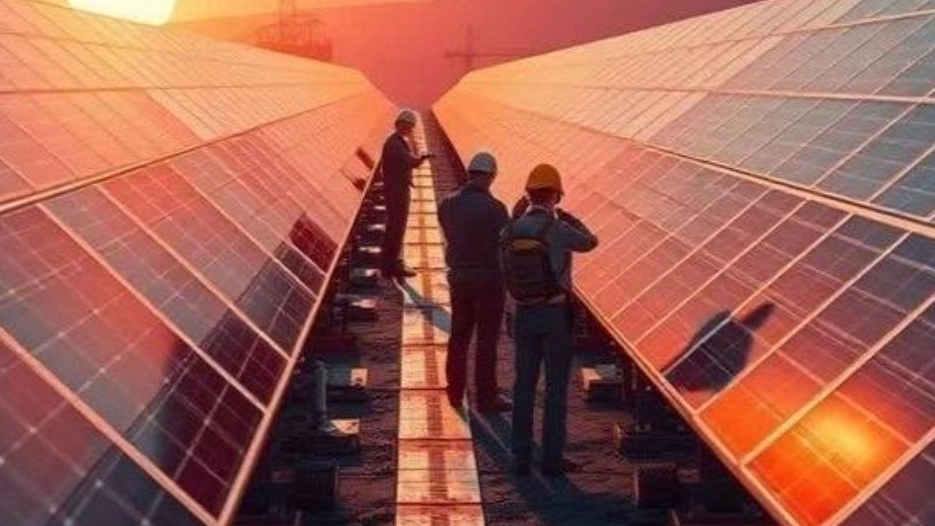
With the ever-increasing expansion of the renewable energy industry in Iran and increasing society's awareness of the benefits of solar energy, the need for high-quality and resistant infrastructure to install photovoltaic panels is felt more than ever. In the meantime, choosing a suitable **Galvanized Solar Structure** not only guarantees the longevity of your system, but also has a direct impact on electricity generation efficiency and maintenance costs. As one of Iran's industrial and engineering hubs, Tabriz has always been a pioneer in providing high-quality products at competitive prices. In this comprehensive article, we will discuss the expert review of hot galvanized solar structures, their technical features, advantages and how to get the best production price from the prestigious "Ata Karimi" collection. If you are looking for an economic, durable and technical solution for your home, commercial or industrial projects, this guide is the most complete reference for you.
The vital importance of using galvanized structure in solar projects
Solar panels are devices that are usually installed outdoors for a period of 20 to 25 years. This means they must withstand all weather conditions, from heavy rain and snow to high humidity, the sun's UV rays and extreme temperature changes. In this situation, the frame and the supporting structure of the panels, that is, the same structure, plays the role of the backbone of the system. The use of ordinary non-standard iron or aluminum structures can lead to rust, rapid erosion and eventually falling or breaking the panels.
Galvanizing is a process in which a layer of zinc metal is applied to the surface of steel or iron. This layer acts as a protective shield and prevents corrosion and rusting of the original steel. In solar structures, the use of Hot-Dip Galvanization, in which the parts are immersed in a molten pool after welding or cutting, is considered the gold standard of the industry. This method ensures that the necessary resistance is present even at the welding points where the protective coating may be damaged. In the city of Tabriz, due to the cold and sometimes snowy weather conditions, the importance of choosing quality material to prevent freezing and mechanical pressure caused by snow on the structure is doubled. Ata Karimi collection, understanding these needs, produces products that meet international standards and are optimized for Iran's climate.
Competitive advantages of Tabriz solar structure and production price
One of the main concerns of investors in solar energy projects is the initial cost of installation. Structure is a significant part of this cost. Buying directly from the manufacturer in Tabriz has several key advantages that directly affect the economics of the project:
Technical specifications and materials used in Ata Karimi structures
To ensure the quality of the product, you must be familiar with the detailed technical specifications. The solar structures offered by Ata Karimi are produced from hot-rolled steel profiles or cold-rolled profiles with standard thicknesses. The thickness of the steel sheet and the type of steel alloy (usually S235JR or equivalent) play an important role in the tensile and bending strength of the structure.
Hot dip galvanizing process
The hot galvanizing process is done at a temperature of about 450 degrees Celsius. The thickness of the zinc layer should be in accordance with international standards (such as ASTM A123). A thickness of at least 60 to 85 microns is usually recommended for dry environments and more than 100 microns for corrosive or coastal environments. Ata cream structures are produced with high zinc thickness to have long-term resistance against moisture and acid rain.
Engineering design and structural calculations
Each structure must be subjected to various loads such as the weight of the panels themselves, the weight of snow, wind pressure and even earthquakes. Ata Karimi's engineering team designs structures for the specific climatic conditions of each region using structural analysis software (such as SAP2000 or ETABS). This includes calculating the optimal installation angle for maximum sunlight as well as resistance to strong winds. Using galvanized or stainless steel bolts and nuts in connections prevents galvanic corrosion between different metals.
Types of solar structures suitable for different applications
Choosing the type of structure depends on the type of your installation site. Ata Karimi produces a wide range of structures for different needs:
1. Flat Roof Structure
2. Tilt Roof Structure
In houses and buildings with gabled roofs, special structures are used that are installed on the main roof poles and the panels are placed at an optimal angle. This method eliminates the need for a separate foundation and gives a beautiful appearance to the building.
3. Ground Structure (Ground Mount)
For solar farms and large sites, ground structures are installed with concrete or screw pile foundations. These structures must have a high resistance to wind and snow and are usually installed at a higher height than roof systems to avoid shading surrounding obstacles.
4. Radio structure and antenna
For installing solar panels on telecommunication towers and antennas, lightweight and resistant structures are used that do not add extra weight to the main structure but provide complete safety.
Installation steps and safety tips in the implementation of solar structures
The correct installation of the structure is as important as the quality of the product itself. A professional installation team should observe the following points:
* **Detailed inspection of the site:** Before installation, the condition of the roof slope, shading obstacles and the structural strength of the roof should be checked.
* **Correct foundation installation:** In ground systems, the depth and type of foundation should be determined according to the type of soil and wind in the area.
* **Tightened connections:** All screw connections must be tightened with standard torque. Too much loosening or tightening of screws can lead to breaking or loosening of the structure.
* **Earthing:** For safety against lightning, all metal parts of the structure must be connected to the building's earthing system. This prevents damage to panels and electrical equipment.
* **Covering of seams:** At the points where the structure is in contact with the roof surface, suitable sealing and insulation strips should be used to prevent water leakage.
Ata Karimi technical team not only in product presentation, but also in providing executive plans and installation advice, helps customers to have a safe and standard project.
Why is Ata Karimi the best choice for buying structures in Tabriz?
In the highly competitive market of solar structures, the distinction of a brand lies in its quality, price and service. With years of experience in the renewable energy industry, Ata Karimi has managed to win the trust of many contractors and investors. The main reasons for choosing Ata Karimi are: