
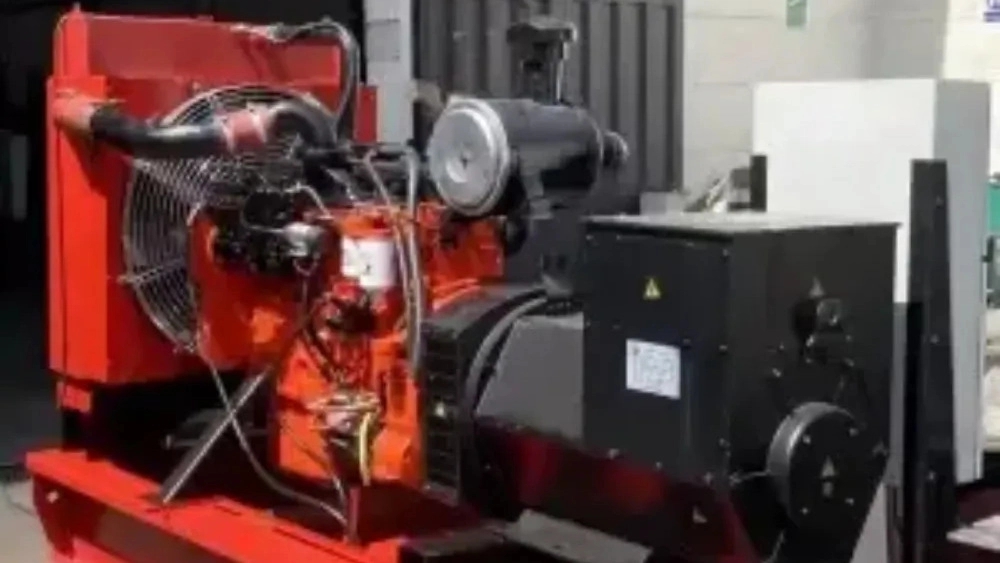
What is a diesel generator?
Before examining the difference between a diesel generator and other electric generators, it is better to first familiarize ourselves with the concept of a diesel generator.
Diesel generator is a device that converts mechanical energy into electrical energy using a diesel engine and an alternator. The diesel engine works by burning diesel fuel and provides the necessary power to turn the generator. Then the generator converts this mechanical energy into electricity.
Diesel generators are usually used to provide electricity in the following situations:
- Emergency power for hospitals
- Workshops and factories
- Construction projects
- Data centers and servers
- Areas far from the power grid
Due to its high power and optimal fuel consumption, the diesel generator is considered one of the most popular options for providing electricity on different scales.
What are the types of electricity generators?
To better understand the difference between a diesel generator and other electric generators, we must first know the types of generators. Generators are divided into several main categories based on the type of fuel:
- Diesel generator
- Gasoline generator
- Gas generator
- Dual fuel generator
- Inverter generators
Each of these generators is designed for a specific application, and their selection depends on factors such as electricity consumption, environmental conditions, fuel costs, and duration of use.
The difference between a diesel generator and a gasoline generator
One of the most important comparisons in examining the difference between diesel generators and other electricity generators is related to gasoline generators.
Gasoline generators are usually produced in lower capacities and are mostly used for domestic or temporary use. On the other hand, diesel generator is designed for industrial use and large projects.
Among the most important differences, the following can be mentioned:
fuel consumption
Compared to gasoline generators, diesel generator has more efficient fuel consumption and is more economical for long-term operation.
Power and output power
Gasoline generators usually have limited power, while diesel generators can provide electricity for factories, hospitals, and industrial projects.
Longevity
One of the most important advantages of a diesel generator over a gasoline generator is its longer lifespan. Diesel engines are usually more durable and more suitable for continuous use.
The difference between a diesel generator and a gas generator
Another important thing in examining the difference between a diesel generator and other electric generators is comparing it with gas generators.
Gas generators use natural gas or liquid gas to generate electricity. These generators are usually used in areas where gas is available.
Access to fuel
One of the advantages of diesel generator is that its fuel can be easily stored and transported. while the gas generator is dependent on the gas network.
Power and efficiency
In many industrial projects, a diesel generator is considered a more suitable option due to its higher power and longer service life.
Quick setup
In an emergency, a diesel generator can be started much faster and provide the required electricity.
The difference between a diesel generator and a dual fuel generator
However, in many industrial applications, diesel generator is still a more popular option due to its simplicity of structure, high durability and more power.
One of the important differences between diesel generators and dual fuel generators is the complexity of the fuel system. The diesel system is usually simpler and more resistant, and it is easier to maintain.
Advantages of using a diesel generator
One of the main reasons for the popularity of diesel generators over other electric generators is its many advantages. Some of the most important advantages of diesel generator are:
Less fuel consumption
Diesel engines consume less fuel than many other engines, so using a diesel generator is very economical.
High power
Diesel generator can produce very high powers and is suitable for industrial and large projects.
Durability and longevity
The structure of diesel engines is designed in such a way that they perform reliably even in difficult working conditions.
Lower maintenance cost
In many cases, the maintenance cost of a diesel generator is lower than other generators.
Disadvantages of diesel generator
Besides the advantages, knowing the limitations is also necessary to better understand the difference between diesel generators and other electric generators.
more sound
Diesel generators usually produce more noise than gas generators.
Higher initial cost
The initial price of a diesel generator may be higher than some smaller generators, but in the long run, its lower fuel and maintenance costs will make up for this difference.
Applications of diesel generator
Due to its technical features and high power, diesel generator is used in many industries and environments, including:
- Factories and manufacturing industries
- Hospitals and treatment centers
- Data and server centers
- Construction projects
- Mines
- Large commercial buildings
In many of these places, a power outage can cause a lot of damage, so having a diesel generator as an emergency power source is very vital.
What should we pay attention to when choosing a generator?
If you are planning to buy a generator, you should check several important factors to choose the best option. In comparing diesel generator with other electricity generators these factors can be decisive:
In many industrial projects, by examining these factors, it is determined that diesel generator is the best option for electricity supply.