
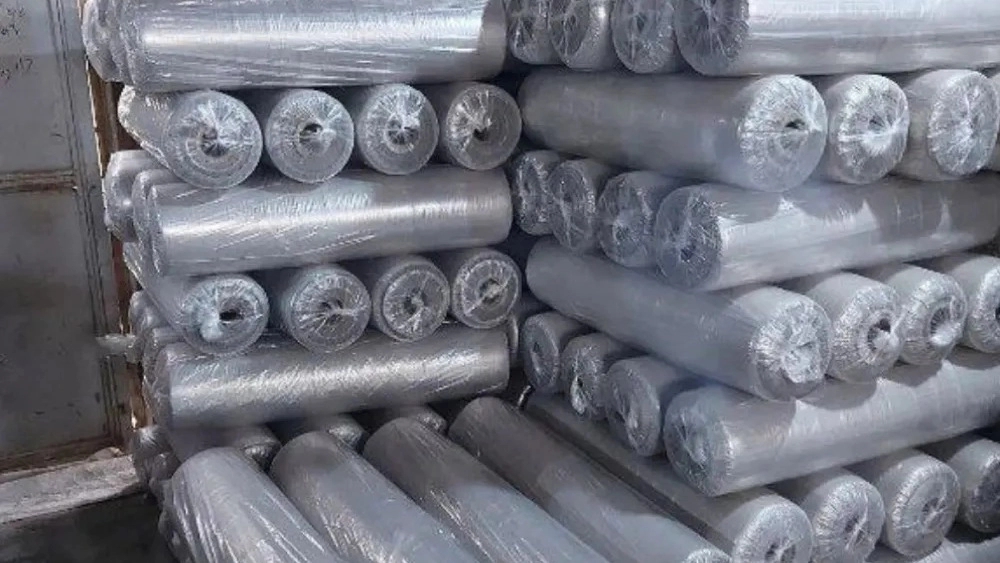
In the current water scarcity situation, the most important concern of farmers is the management of water resources. Nylon floating irrigation roll as a simple and effective technological tool, has been able to greatly reduce the amount of evaporation and water loss. This article explains why using this product is a real solution to save water in agriculture.
Principles of operation of floating irrigation nylon roll
The roll of floating irrigation nylon is placed on the surface of the water and prevents the direct contact of sunlight with the water. This coating keeps the temperature of the surface lower and reduces the rate of evaporation. The materials used in it are anti-UV and resistant to decay.
How to save water
Technical advantages
- Resistance to heat and chemicals
- Light weight, portable and fast installation
- High useful life in harsh environmental conditions
- Reduction of irrigation system maintenance costs
The economic effect of using floating nylon roll
Decreasing water consumption directly reduces costs and increases the productivity of agricultural products. In areas where the cost of water is high, this economic saving is especially important.
Choosing the right manufacturer
The quality of floating irrigation nylon roll depends on raw materials and production method. Companies like Idinplast use premium grade heavy duty polyethylene to produce rolls that are durable and long-lasting, yet recyclable.
Reasons for the superiority of Aidinplast products
- Quality control in all stages of production
- Using UV-resistant formulas
- Focusing on preserving the environment and agricultural productivity
- Designing rolls in various sizes for various applications
summary
The floating irrigation nylon roll not only helps to reduce water consumption, but also increases the efficiency of equipment and environmental sustainability. This product is a practical solution for the intelligent management of water resources in Iranian farms. Choosing a reliable brand like Aidinplast will guarantee quality, durability and real savings in water consumption.