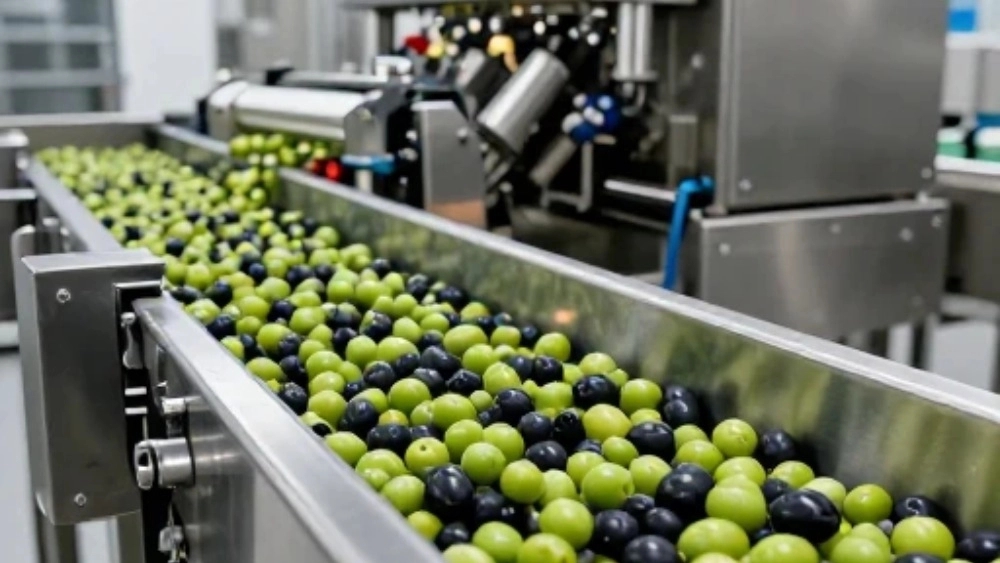

The olive and olive oil industry, especially in Iran, which is one of the largest producers of olives in the world, has a huge potential for development and export. However, raw olives alone have a low added value and a limited shelf life. Setting up an industrial processed olive production line not only helps to increase the shelf life of the product, but also opens up new markets for producers by diversifying the products (such as cultured olives, salted olives, wax, green and processed black olives). This article was compiled with the aim of providing technical, practical and strategic information to help investors and producers in the way of launching and optimizing this production line.
The strategic importance of olive industrial processing
Olives are one of the strategic agricultural products that, in addition to being eaten, are widely used in health and cosmetic industries. Industrial processing of olives is a process in which raw olives are transformed into a high-quality, safe final product that can be sold on the shelves of modern stores through various stages such as washing, cutting, pasteurization, pickling, or oiling.
One of the most important reasons for the importance of setting up an industrial processed olive production line is to reduce waste and increase added value. Large, healthy and high-quality olives that are not suitable for fresh sales, or small olives that have a limited consumer market, can be turned into more valuable products in these lines, such as sliced olives for pizza or sandwiches, cultivated olives and canned olives. This makes olive producers commercialize all parts of their product in the best way.
The main stages of the olive processing process in the production line
To better understand the requirements of an industrial processed olive production line, we need to get to know the different stages of the process. Each stage requires special equipment designed with precision and health standards.
1. Receiving and preparing raw materials
The first step in any industrial production line is receiving olives from gardeners or local markets. At this stage, the olives are checked for quality, ripening and the presence of external contamination. Primary equipment includes conveyor belts, sorting tables and advanced washing machines. Thorough olive washing is critical to remove dust, possible pesticides, and surface microorganisms. Using bubble washers or sponge machines prevents damage to olives and ensures its cleanliness.
2. Salting and sweetening process
Raw olives have a bitter taste and need to be sweetened or salted to be edible. In industrial lines, this process is carried out in different ways, such as using salt water, caustic soda (for black olives) or drying with salt. Fermentation and sweetening devices automatically control the concentration of salt water and temperature so that the process is done uniformly and safely. Accurate control of this step is very important to preserve the texture of olives and prevent microbial spoilage.
3. Cutting and chopping (if needed)
For the production of special products such as cultivated olives or chopped olives, cutting and shredding machines are needed. Olive cutters must have sharp stainless steel blades to prevent olive tissue from being crushed. The precise adjustment of the thickness of the slices based on the market needs is one of the key features of these devices.
4. Pasteurization and sterilization
One of the critical steps in the industrial processed olive production line is pasteurization. This process is done to destroy harmful bacteria and microorganisms and greatly increases the shelf life of the product. The use of continuous pasteurizers, in which the olives pass through a hot water tank, is a common and efficient method. The temperature and time of pasteurization must be carefully controlled to ensure food safety and not to change the texture and taste of olives.
5. packaging
The final stage is product packaging. The packaging should protect the product from light, oxygen and moisture. Types of packaging include jars of olives in brine, metal cans (cans) and vacuum packaging for dried or cultivated olives. Automatic filling machines (Filling Machines) and sealing machines (Sealing Machines) must be carefully calibrated to ensure uniformity of weight and packaging quality.
Key equipment needed in the production line
To set up a complete and standardized industrial processed olive production line, you need a set of devices, each of which plays a specific role in the production process. The main equipment list includes the following:
- Olive washing machine: for primary cleaning and removal of surface contamination.
- Cutting and shredding machine: for the production of chopped or sliced olives.
- Fermentation and sweetening tanks: for the process of removing bitterness and flavoring.
- Pasteurizer: for health safety Product.
- Filling and capping machine: for precise and airtight packaging.
- Quality control and inspection system: including machine vision cameras to detect defective olives or inappropriate colors.
Choosing high-quality equipment from reputable domestic or foreign brands directly affects the final product quality and maintenance costs. Note that all equipment must be made of stainless steel (Grade 304 or 316) to be resistant to the acids in olives and detergents.
Health considerations and international standards
Complying with health standards in all stages of the industrial processed olive production line is a legal and ethical requirement. Obtaining HACCP (Hazard Analysis and Critical Control Points), ISO 22000 and GMP (Good Manufacturing Conditions) certificates is necessary for export and even domestic sales. The design of the factory and the layout of the devices should be such that cross-contamination is avoided. It means that the path of raw materials is completely separate from the path of the final product.
Also, the management of wastewater from washing and salting processes is one of the important environmental issues that should be considered in the design of the production line. The use of wastewater treatment and water recycling systems not only fulfills the company's social responsibility, but can also be effective in reducing water and sewage costs.
Marketing and sales of processed products
Launching Industrial processed olive production line is only half way; The other half is marketing and selling products. Diversity in final products is the key to success in the market. In addition to the traditional salty and sweet olives, you can find new products such as:
- Grown olives with different flavors (walnut, pomegranate, garlic)
- Chopped olives for sandwiches and pizza
- Olives with special flavors (spice, lemon, pepper)
- Organic olives without preservatives
. Attractive packaging and accurate nutritional information help your brand stand out on store shelves. Using online markets, attending food industry exhibitions and cooperating with chain stores can increase your sales dramatically.
Start-up costs and investment return
The cost of setting up an industrial processed olive production line depends on various factors such as production capacity, type of equipment (internal or external), plant area and existing infrastructure. Initial costs include buying land, building a shed, buying machinery, obtaining permits, and providing raw materials. However, due to the high demand for processed olives and the possibility of export, the return on investment usually occurs within a reasonable period of time (between 2 and 4 years).
For a more accurate estimate of costs, it is suggested to consult with food industry consultants and machinery manufacturing companies. They can suggest the best technical and economic options according to your budget and goals. Also, it is very important to pay attention to current costs such as energy, manpower and equipment maintenance in financial calculations.
Challenges and solutions
One of the main challenges in this industry is the fluctuation of the price and quality of raw olives during the harvest season. To manage this challenge, methods such as storing raw olives in cold storage and buying at the right time can be used. Also, diversifying the product portfolio and developing export markets can reduce the risk of dependence on the domestic market.
conclusion
Launching industrial processed olive production line is an exceptional opportunity to enter the dynamic market of food industry with high added value. By adhering to health standards, using modern equipment and implementing smart marketing strategies, you can produce world-class products that are well received in both the domestic and international markets. Success in this direction requires careful planning, smart investment and commitment to quality. By starting step by step and learning from successful experiences, you can become one of the main and reliable players in the olive industry and take a significant share of the world market.