
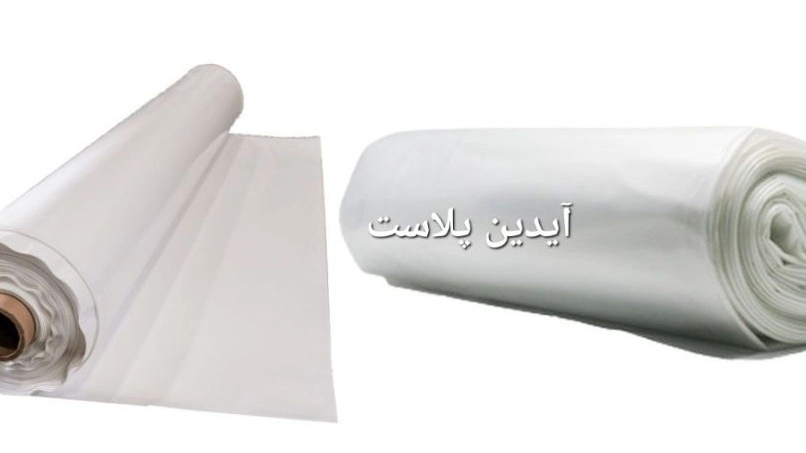
Are you, as a farmer or an investor in the agricultural sector, looking for a method that simultaneously reduces water consumption, controls weeds, and ultimately harvests a higher quality rice crop? The world of agriculture is rapidly changing and traditional irrigation methods are no longer responsive to economic and environmental needs. In the meantime, the use of roll shearing floating irrigation in rice fields is known as a small revolution in the agriculture industry. This technology not only greatly increases the irrigation efficiency, but by creating a suitable substrate for root growth, it significantly increases the harvest tonnage. If you want to know how you can multiply the profitability of your farm by changing your irrigation style, this article is exactly for you. In the following, we will discuss the full technical review, benefits and how to implement this system.
Why rice fields need roll shearing floating irrigation?
Rice (Oryza sativa) is one of the most important strategic products in many regions, especially in the north of Iran. But growing rice faces great challenges; including very high water consumption, rapid growth of weeds and problems related to clay and waterlogged soils. Although the traditional methods of flood irrigation are common, they waste water resources, emit methane gas, and reduce the quality of rice grains.
This is where the concept of roll-shearing floating irrigation in rice fields comes into play. This method is a combination of irrigation under pressure (drip or tip tape) and covering the soil surface with resistant polyethylene nylons. In this system, instead of flooding the entire field, the water is directed pointwise and controlled under the nylon cover or in small channels. The nylons used in this method, which are also called shearing or irrigation nylons, play a vital role in managing soil moisture and temperature.
Key advantages of using roll shearing in rice cultivation
Using this technology has several advantages, the most important of which are:
- Extraordinary savings in water consumption: By removing the flooding method and replacing it with precise irrigation on nylon, water consumption is reduced by 50 to 70%. This is a big competitive advantage in drought and water shortage years.
- Complete weed control: Irrigation nylons prevent weeds from germinating and growing on the soil surface by blocking sunlight. This means eliminating expensive spraying and labor costs for ginning.
- Increased soil temperature and faster growth: Dark nylons (usually black) absorb the sun's heat and keep the soil temperature at optimum levels. Rice is a heat-loving plant, and increasing the soil temperature causes faster seedling growth and an increase in the final yield.
- Prevention of leaching of fertilizers: With drip irrigation under nylon, chemical fertilizers are directed directly to the root zone and are not washed away. This greatly increases the efficiency of fertilizer use.
- Higher quality of rice grain: Rice that grows in a clean bed without direct contact with flooded mud has cleaner, firmer and more marketable grains.
Technical specifications of irrigation roll shearing suitable for rice fields
For the successful implementation of Roll Shearing Floating Irrigation in Rice Fields, choosing the appropriate material and thickness of nylon is vital. Rice fields have a humid and heavy environment, and nylon must be resistant to decay, UV rays, and the pressure of the weight of machinery or labor.
- Type of raw materials: The nylons used must be linear polyethylene (LDPE) or dense (HDPE) of first-class quality. Recycled materials do not have the necessary quality and they tear quickly. Standard thickness: For rice fields, thicknesses between 200 and 300 microns are recommended. Less thickness may not withstand plow blades or water weight.
- Width of rolls: Common widths for these nylons are 2, 2.5 and 3 meters. The choice of width should be based on the width of the cultivation beds (excavations done) so that there is minimal waste.
- Coloring: Black color is the best option to absorb heat and control weeds. In very tropical regions, two-sided colors (black and white) may be used, but for rice, black is preferred.
Implementation steps of roll shearing system in rice field
The implementation of this system requires precision and detailed planning. The execution steps are as follows:
- Leveling and channeling of the field: First, the surface of the field must be completely leveled. Then, the main and secondary channels are dug to direct the water to the tapes. Accuracy in the slope of the channels is very important for the uniform flow of water.
- Spreading nylon rolls: Nylon shirings are spread along the culture beds. The edges of the nylon should be covered with soil to prevent the wind from moving.
- Drip irrigation system installation: Irrigation pipes (tape or drip pipe) are placed on the nylon at certain intervals (usually every 30 to 40 cm). These pipes should have high-quality drippers to prevent clogging.
- Making holes for planting seedlings: In the cultivation areas, using special cutters or knives, holes are made in the nylon to plant rice seedlings in them. The size of the hole should be large enough for the seedling to fit easily, but the light does not reach the underlying soil. Water level management in canals and water pressure in pipes must be carefully controlled.
Challenges and solutions in using roll shearing irrigation
Despite many advantages, the use of roll shearing floating irrigation in rice fields is associated with some challenges that must be solved:
- Higher initial cost: The cost of buying nylon and installing a drip irrigation system is more than the traditional method. But as mentioned, this cost is compensated over time by reducing water consumption and increasing yield. Proper moisture management: If the irrigation system is not properly adjusted, the soil may become too dry or wet. Training the workforce and using moisture sensors can help in better management.
- Post-harvest disposal of nylons: After the harvest season, nylons should be collected and recycled. This process requires planning so as not to cause soil pollution.
Why is the quality of nylon important in this method?
Poor quality nylons may not be resistant to UV rays and will tear after a few months in the sun. Also, if nylon is not thick enough, it may tear due to water pressure or machinery. Therefore, it is necessary to buy from reliable brands with quality guarantees. Roll Shearing Floating Irrigation is a high-quality, long-term investment that will extend the useful life of your farm.
Economic comparison: traditional method versus roll-sharing
Let's take a look at the numbers. In the traditional method, you have the following costs:
- Very high water cost (due to evaporation and infiltration).
- Cost of herbicides and labor for ginning.
- Lower yield per hectare.
In the roll shearing method of floating irrigation in rice fields:
- The cost of water is reduced by 50%.
- The cost of herbicide and ginning is zero.
- The performance of the product increases by 20%.
- The quality of the product is higher and it has a better selling price.
Therefore, even with the higher initial cost, the farmer's net profit is much higher in the new method.
Buying guide and expert advice
Choosing the right Roll Shearing Floating Irrigation requires technical knowledge. Suitable width, optimal thickness and raw materials are parameters that should be selected according to the type of soil in your farm. Mistakes in selection can lead to wasted costs and reduced efficiency.
We at Adin Plast are committed to providing the best products with the highest quality and the most suitable price to our dear farmers. Our technical team is ready to suggest the best solution for your rice cultivation by visiting your farm or by phone consultation.
Important note: To ensure the authenticity of the goods and receive competitive prices, be sure to contact reputable agencies.
Immediate action:
If you also want to turn your farm into a modern and profitable production unit, act now. Special opportunities for bulk purchases and free consultations are available to you.
📞 To order and consult with our experts:
Contact number: 09351601087
🌐 Website: https://aidin-pelast.ir
Give quality and productivity to your farm by choosing Adin Plast. Do not forget that success in today's agriculture is tied to the use of new technologies. Create a bright and fruitful future for yourself and your family by purchasing a quality floating irrigation roll sheet.
Frequently asked questions
1. Is the use of roll shearing suitable for all types of rice?
Yes, this method is applicable for all types of Indian and Iranian rice, but it requires special adjustments in the cultivation distance and water management.
2. What is the useful life of shearing nylons?
Adinplast quality nylons have an anti-UV coating and can last between 3 and 5 years.
3. Is it difficult to install this system?
No, with a short training of the workforce, the installation and commissioning of the system is easy.
Final summary
Using Roll Shearing Floating Irrigation in Rice Fields is a smart choice for leading farmers looking to increase profits, conserve water resources and produce quality crops. By reducing running costs and increasing performance, this method guarantees your economic success. The quality of the final product, i.e. irrigation nylon, plays a key role in the success of this system.
At Adin Plast, we are your reliable companion on this path by providing standard products and consulting services. Take action now to start changing and improving your farm's performance.
Contact us:
📞 Phone: 09351601087
🌐 Website address: https://aidin-pelast.ir
Experience smart agriculture with Adin Plast.