
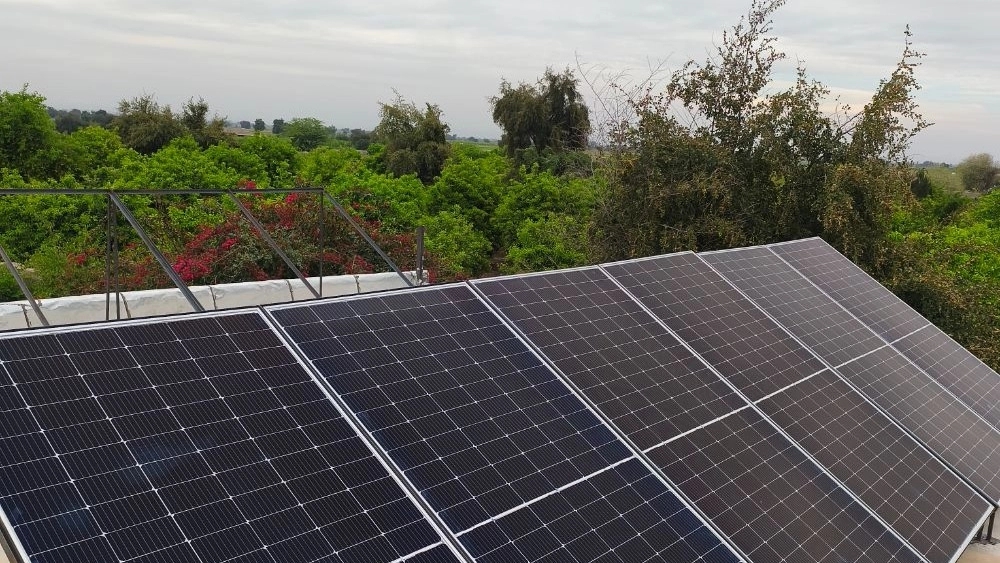
In recent years, attention to renewable energy, especially solar energy, has increased dramatically. In the meantime, solar power plants and home and industrial solar systems have been widely welcomed due to advantages such as reducing electricity costs, preserving the environment and energy independence. But for the successful design and operation of these systems, it is very important to choose quality and appropriate equipment. One of the most important and key equipment in these systems is the solar inverter.
What is the role of the inverter in the solar system?
Solar inverter is a device that is responsible for converting DC electricity (direct current) produced by solar panels into AC electricity (alternating current) that can be used in electrical equipment and the national power grid. The quality and performance of the inverter not only affects the efficiency of the entire power plant, but can also guarantee the longevity of the equipment and prevent possible damages.
Why is it important to choose the right inverter for the solar system?
- Increase the energy efficiency of the whole system: High-efficiency inverters can convert a higher percentage of the generated energy into usable energy, thereby increasing the efficiency of the power plant.
- Equipment and system protection: Standard inverters have turbidity, overvoltage, overcurrent, and short circuit protection systems that prevent system damage.
- Improve lifetime. Power plant: Quality inverters have a longer lifespan and require less repair and replacement.
- Monitoring and control capability: Modern inverters have the ability to connect to remote monitoring systems that enable continuous monitoring of system performance.
- Compatibility with environmental conditions and grid electricity: Choosing the right inverter is very important according to the type of grid electricity and the climatic conditions of the region.
How to choose solar inverter power?
One of the most important parameters in choosing an inverter is the capacity or output power of the inverter, which should be proportional to the production power of solar panels and the energy consumption of consumers.
Important points about inverter power:
- The nominal power of the inverter must be equal to or slightly more than the total power of the panels.
- If the power of the inverter is less than the power of the panels, the inverter may be limited during peak energy production times and reduce the efficiency of the system. also be considered; For example, continuous or discontinuous consumption, industrial or domestic.
Types of solar inverters and their applications
Basically, there are three main types of inverters in the market, each of which has its own advantages and disadvantages:
Inverters connected to the grid (On-Grid)
- Converting DC energy into AC and injecting it into the national power grid
- No need for batteries (reducing cost and maintenance)
- Suitable for areas where the national electricity is reliable
- Disadvantages: the system shuts down when the grid power is cut off
Off-grid inverters
- Equipped with a battery for energy storage
- Use in remote areas without a nationwide power grid
- Suitable for small and medium-sized systems with independent consumption from the grid
- Disadvantages: higher cost due to the need for batteries and energy management
Hybrid inverters
- The ability to work connected to the grid and with batteries
- The ability to supply electricity during grid outages using batteries
- The best option for areas with intermittent power outages and the need for energy storage
- Average cost and more optimal performance in fluctuating conditions
Important criteria for choosing the right solar inverter
Energy conversion efficiency
- Inverter efficiency is one of the most important quality criteria.
- Higher efficiency means less losses and more efficient use of solar electricity.
- Good inverters usually have an efficiency above 95%.
Protection system
- Protection against short circuit, overload, temperature rise and voltage fluctuation is necessary.
- These systems increase the useful life of the inverter and the equipment.
Monitoring and communication capabilities
- Possibility of connecting to the Internet and mobile applications or computer software.
- Monitoring and reporting of performance, errors and environmental conditions.
Quality of construction and parts
- Use of quality parts, reliable brands and international standards.
- Ability to work in different environmental conditions (humidity, temperature, dust, etc.)
After-sales service and warranty
- Great importance in long-term projects
- Guarantee repairs and fast spare parts supply
- Technical consultation and training
Prominent and reliable solar inverter brands
Choosing a brand with credibility and history in the market makes you more confident in the quality, support and guarantee of the device's lifetime. Some prominent global brands:
- SMA (Germany)
- Huawei (China)
- Fronius (Austria)
- Epever
Final tips and suggestions of Mehr Khurshid
- Before buying, be sure to carefully analyze your consumption needs and calculate the required power.
- If you need combined or hybrid systems, the use of special inverters with battery management is recommended.
- If you are in an area with frequent power fluctuations or outages, a hybrid inverter is the best option.
- Benefit from the expert advice of experienced companies with experience in designing solar systems. Take it.
- Mehr Khurshid Group, with years of experience in designing and installing domestic and industrial solar power plants, is ready to provide expert advice and technical support.
summary
Choosing the right inverter is one of the most critical steps in designing and setting up a solar system, which directly affects the quality, life and performance of the power plant. By observing the points of appropriate power, standard inverter type, quality and technical facilities, an optimal, stable and high-efficiency solar power plant can be created that guarantees your investment in clean energy.