
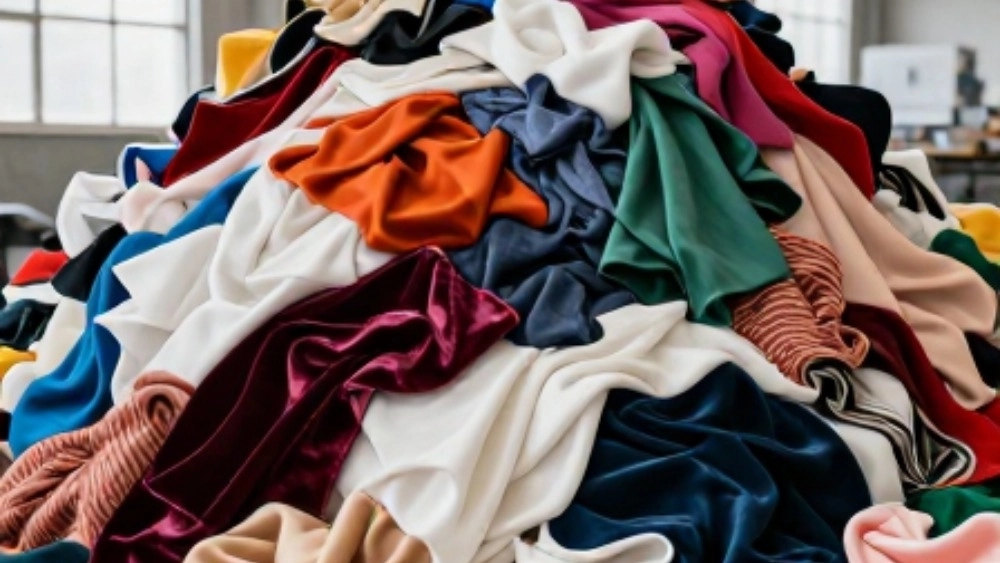
Types of fabric waste and their recycling potential
knit fabric scraps; The most demanding market segment
Velvet fabric recycling and its challenges
Economic value of cotton waste
Polyester and synthetic materials; A step towards sustainability
Why choose Sadeghi textile waste?
Expertise in fiber identification
Immediate settlement and transparency in performance
Nationwide coverage in all areas of Tehran and suburbs
Textile waste recycling process in big cities
Advantages of selling fabric waste directly to the original buyer
- Accurate estimation of weight: Using standard measuring tools.
- One-stop purchase: We buy all your items including fabric edge, scissor tail, defective fabrics and even thread waste in one place.
- Risk reduction: Prevent non-specialists from entering the workshop environment.
Environmental effects of fabric recycling in Iran
How to prepare scraps for better sales
- Primary separation: If possible, separate cotton fabrics from polyester and velvet.
- Prevention of moisture: If textile scraps get wet, they quickly become moldy and lose their recycling value. Store them in a dry place.
- Cleaning from foreign objects: Make sure that there are no objects such as needles, metal buttons or large plastic pieces between the fabrics. This increases the speed of the purchase process.
The place of textile waste in resistance economy
The challenges of fabric accumulation in small and large workshops
- Increasing the possibility of fire due to the high flammability of synthetic fibers and cotton.
- Creating a place for insects and rodents to gather.
- Reducing the concentration and efficiency of workers due to the crowded environment.
- Creating a negative image in the minds of customers who visit the production unit.